Embarking on a hotel holiday is an excellent way to explore new destinations while enjoying the comfort and convenience of a well-located accommodation. However, making the most of your sightseeing time requires careful planning, smart strategies, and insider tips. Whether you are visiting a bustling city, a historic town, or a scenic coastal area, optimizing your sightseeing activities can turn a good trip into an unforgettable adventure. This comprehensive guide provides proven strategies designed to help travelers maximize their sightseeing time, minimize stress, and enjoy a richer, more immersive experience.
- Understanding the Importance of Effective Planning
- Why Planning Matters
- Pre-Trip Research
- Creating a Flexible Itinerary
- Strategies for Optimizing Sightseeing Time
- 1. Prioritize Must-See Attractions
- 2. Use Smart Scheduling
- 3. Leverage Tour Guides and Audio Guides
- 4. Use Technology and Mobile Apps
- 5. Incorporate Efficient Transit Strategies
- 6. Group Attractions by Location
- 7. Maximize Skip-the-Line Tickets and Fast Passes
- Additional Tips for Enhancing Your Sightseeing Experience
- 8. Embrace Early Mornings and Late Afternoons
- 9. Focus on Quality over Quantity
- 10. Combine Sightseeing with Local Experiences
- 11. Use Rest Breaks Wisely
- Sample Itinerary for an Efficient Sightseeing Day
- Common Mistakes to Avoid During Sightseeing
Understanding the Importance of Effective Planning
Why Planning Matters
Effective planning is the foundation of successful sightseeing during a hotel holiday. Without a sensible itinerary, travelers risk missing must-see attractions, wasting precious time, or feeling overwhelmed by the choices. Proper planning allows travelers to prioritize their interests, allocate sufficient time for each site, and avoid unnecessary backtracking.
Pre-Trip Research
Before departing, invest time in research. Utilize guidebooks, travel blogs, official tourism websites, and map resources to gather information about the destination’s top sights. Understanding opening hours, entrance fees, and accessibility ensures smoother visits and better time management.
Creating a Flexible Itinerary
While detailed plans are beneficial, flexibility is equally important. Unexpected events, weather changes, or discovering new attractions may require itinerary adjustments. A flexible plan enables travelers to adapt without losing sight of their main goals.
Strategies for Optimizing Sightseeing Time
1. Prioritize Must-See Attractions
Identify the key sights you do not want to miss based on personal interests and recommendations. Create a list with a clear hierarchy—priorities should include iconic landmarks, highly-rated museums, and unique local experiences.
- Use online reviews and local guides to determine essential attractions.
- Stick to your list to avoid wasting time on less significant sites.
2. Use Smart Scheduling
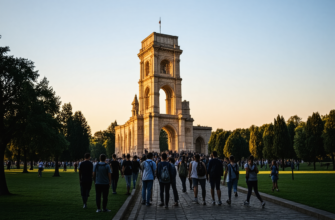
Plan visits during less crowded hours, typically early mornings or late afternoons. Visiting major attractions during off-peak times minimizes lines and enables more relaxed exploration.
Sample Daily Schedule:
- Early morning: Visit popular sights before crowds arrive.
- Midday: Explore less busy areas or enjoy a leisurely lunch.
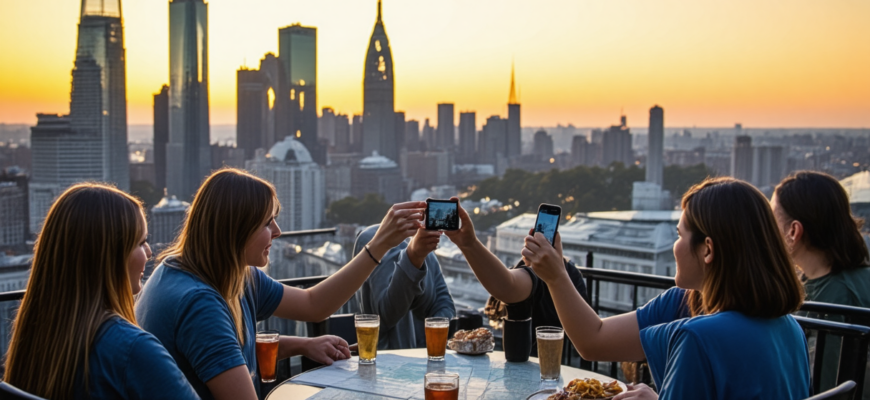
- Late afternoon: Return to popular sites for a second glance or sunset views.
3. Leverage Tour Guides and Audio Guides
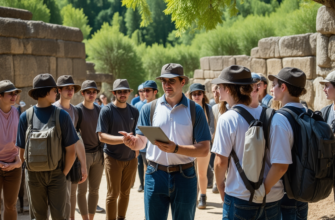
Engaging a professional guide or using audio guides can significantly enhance sightseeing efficiency. Guided tours often include skip-the-line access, curated routes, and insightful commentary, saving time and enriching the experience.
- Group Tours: Cost-effective and social.
- Private Guides: Personalized experience tailored to your interests.
- Audio Guides / Mobile Apps: Convenient and flexible, especially for self-guided exploration.
4. Use Technology and Mobile Apps
Modern travel apps can streamline your sightseeing efforts. GPS-enabled maps, translation tools, and itinerary management apps help travelers navigate efficiently.
| Popular Travel Apps | Features |
|---|---|
| Google Maps | Navigation, real-time traffic updates, directions to attractions |
| TripAdvisor | Reviews, tips, crowdsourcing attraction info |
| Visit A City / Citymapper | Optimized routes, public transport info |
| Google Translate | Language assistance, menus, signs translation |
5. Incorporate Efficient Transit Strategies
Choosing the right transportation options can save considerable sightseeing time. Consider:
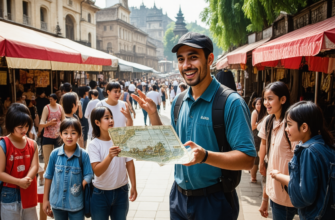
- Public Transit: Often faster and more economical than taxis or rental cars.
- Walking: Ideal for exploring local neighborhoods or compact historic centers.
- Bike Rentals: Flexible and scenic alternative for leisurely exploration.
- Private Transfers / Shuttle Services: Useful for distant or less accessible sites.
6. Group Attractions by Location
Plan your day so that attractions located geographically close are visited together. This reduces transit times, increases sightseeing efficiency, and allows more immersive experiences at each site.
Example: In a city like Paris, cluster visits including the Louvre, Notre-Dame, and Sainte-Chapelle within the same area.
7. Maximize Skip-the-Line Tickets and Fast Passes
Many popular attractions offer skip-the-line services or timed entry tickets. Purchasing these in advance drastically cuts wait times and allows more time for exploration. Check official websites or authorized vendors for availability.
Additional Tips for Enhancing Your Sightseeing Experience
8. Embrace Early Mornings and Late Afternoons
Visiting during less busy hours not only saves time but also provides better lighting for photography and a more peaceful atmosphere.
9. Focus on Quality over Quantity
Instead of trying to see everything, select a few key attractions and explore them thoroughly. Deep engagement creates more meaningful memories than superficial visits to many sites.
10. Combine Sightseeing with Local Experiences
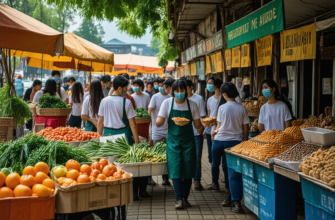
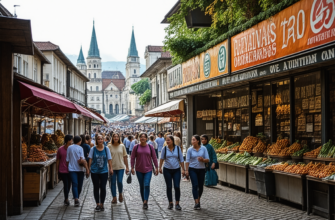
Integrate cultural activities such as local markets, food tours, or small neighborhood walks. They add authenticity and often require less time than major sights.
11. Use Rest Breaks Wisely
Plan short breaks to recharge, especially in warm climates or extensive walking days. Many cafes or parks nearby attractions serve as great spots for rest.
Sample Itinerary for an Efficient Sightseeing Day
Below is an example for a city with multiple attractions:
| Time | Activity | Location |
|---|---|---|
| 08:00 – 09:30 | Visit an iconic monument (skip-the-line ticket) | Main Square |
| 09:45 – 11:00 | Explore a nearby museum or historic district | Old Town |
| 11:15 – 12:00 | Leisurely walk and coffee break | Local café |
| 12:15 – 13:30 | Lunch at a recommended restaurant | City center |
| 14:00 – 15:30 | Visit another major attraction with reserved tickets | City park or landmark |
| 15:45 – 17:00 | Relax in a scenic spot or visit a local market | Park/Market |
Common Mistakes to Avoid During Sightseeing
- Overloading the schedule: Trying to see too many sights leaves little time for meaningful engagement.
- Ignoring local customs and peak times: Visiting popular sites at peak hours increases waiting times.
- Not reserving tickets in advance: Leads to long lines and potential disappointment.
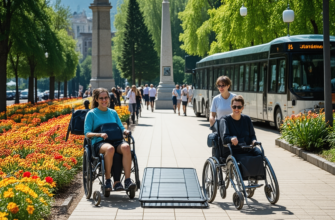
- Forgetting to consider physical endurance: Plan wheelchair accessibility, rest periods, and suitable footwear.
Maximizing sightseeing time during hotel holidays requires a blend of strategic planning, smart scheduling, and flexibility. By prioritizing key attractions, utilizing technology, choosing appropriate transport, and maintaining an open mind for serendipitous discoveries, travelers can significantly enhance their experiences. Remember, quality experiences and authentic interactions often outweigh quantity, transforming a simple trip into lasting memories. Implementing these strategies ensures that each moment spent sightseeing is meaningful, efficient, and enjoyable, making your hotel holiday truly exceptional.
Похожие записи:
 Maximizing Your Stay: How to Effectively Utilize Hotel Concierge Services for Sightseeing Planning
  Top Strategies for Accessible Sightseeing: Ensuring Memorable Adventures for Travelers with Mobility Challenges
  How to Prioritize Must-See Sights Based on Your Interests: A Guide for Tourists on Hotel Holidays
  Ultimate Guide: How to Balance Sightseeing and Relaxation During Your Hotel Holidays
  Optimal Timing for Visiting Popular Attractions: How to Avoid Crowds and Make the Most of Your Travel Experience
  Enhance Your Travel Experience: Essential Cultural Etiquette Tips for Sightseeing Success
  Ultimate Guide: How to Manage Your Budget While Sightseeing on a Hotel Holiday
  Check Restaurant Opening Hours and Days to Avoid Disappointment: A Guide for Tourists on Hotel Holidays
  Ultimate Guide to Choosing Nearby Parking Options for Sightseeing Excursions
  Ultimate Safety Tips for Solo Sightseeing in Unfamiliar Areas
  Maximizing Savings on Hotel Holidays: How to Use Student, Senior, and Other Special Discounts
  Respectful Guidelines for Visiting Cultural and Religious Sites: Essential Tips for Tourists
  Discover Hidden Gem Neighborhoods: How Staying in Less Tourist Areas Can Save Money and Enhance Your Travel Experience
  Discover the World’s Best Food-Themed Walking Tours: Combining Sightseeing with Culinary Tastings
  Ultimate Guide: Preparing for Sightseeing Excursions with Comfortable Footwear
  Maximizing Your Hotel Stay: Why Using Shuttle Services and Verified Transportation Options Matters