Traveling, especially during hotel holidays, offers a wonderful opportunity for relaxation, exploration, and creating lifelong memories. However, unforeseen incidents such as minor injuries, allergic reactions, or sudden illnesses can occur at any time. Being prepared with a small, well-stocked first aid kit can make all the difference in handling emergencies swiftly and effectively. This comprehensive guide explores why including a small first aid kit is vital for tourists, what essential items it should contain, and practical tips for maintaining and using it during your travels.
- Why Is a Small First Aid Kit Important for Travelers?
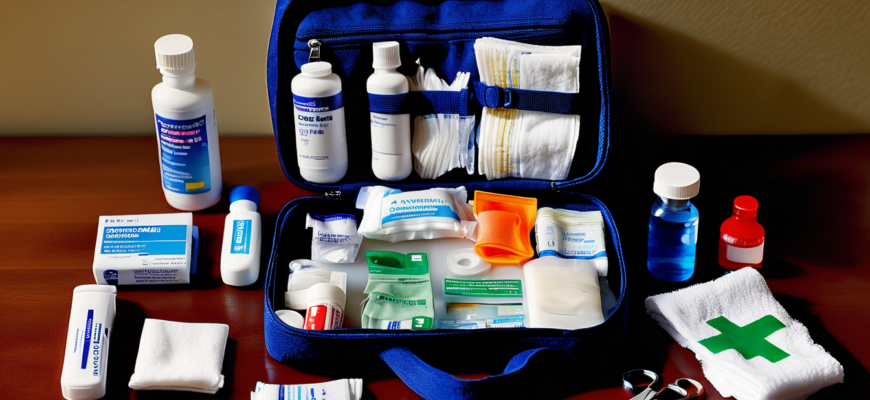
- Essential Items to Include in a Compact First Aid Kit for Travel
- 1. Basic Wound Care Supplies
- 2. Pain Relief and Medications
- 3. Miscellaneous and Safety Items
- Practical Tips for Packing and Using Your Travel First Aid Kit
- 1. Choose a Compact, Durable Container
- 2. Regularly Check and Restock Supplies
- 3. Tailor the Kit to Your Destination and Personal Needs
- 4. Know Basic First Aid Procedures
- Additional Considerations for International Travelers
- 1. Language and Accessibility
- 2. Legal and Regulatory Aspects
- 3. Insurance and Emergency Assistance
- Top 10 Tips for Using a First Aid Kit Effectively on Vacation
- Be Prepared, Travel Confidently
- Additional Resources and References
Why Is a Small First Aid Kit Important for Travelers?
Travel environments can be unpredictable. Unlike at home, where medical supplies and assistance are readily available, travelers often find themselves in unfamiliar settings with limited immediate medical support. A small first aid kit serves as a first line of defense, allowing for quick response to minor injuries and ailments which are common during travel. Here are some key reasons why every traveler should carry such a kit:
- Rapid response to minor injuries: Cuts, scrapes, insect bites, or burns can happen unexpectedly. Immediate treatment can prevent infection and reduce discomfort.
- Alleviating discomfort: Items like pain relievers or antihistamines help manage symptoms until professional help is accessed.
- Ensuring safety and peace of mind: Preparedness reduces travel-related stress and allows travelers to enjoy their holiday more fully.
- Saving time and money: Addressing minor issues early can prevent complications that might lead to costly medical treatments abroad.
Essential Items to Include in a Compact First Aid Kit for Travel
1. Basic Wound Care Supplies
Effective wound management is crucial in preventing infections and promoting healing. The following items are indispensable:
- Adhesive bandages (various sizes): For small cuts and scrapes.
- Sterile gauze pads: For covering larger wounds.
- Medical tape: To fix gauze and dressings securely.
- Antiseptic wipes or solution: Alcohol swabs or iodine solution for disinfecting wounds.
- Antibiotic ointment: Such as Neosporin, to prevent infection.
- Elastic Bandage (e.g., Ace bandage): For sprains or strains.
2. Pain Relief and Medications
Common minor ailments can be managed with the right medications:
- Pain relievers: Paracetamol or ibuprofen.
- Antihistamines: For allergic reactions or insect bites.
- Rehydration salts: To prevent dehydration during hot days or illness.
- Anti-diarrheal medication: Such as loperamide.
- Thermometer: For monitoring body temperature.
3. Miscellaneous and Safety Items
- Tweezers: For removing splinters or debris.
- Scissors: For cutting dressings or clothing if needed.
- Disposable gloves: To prevent infection during wound care.
- Eye wash solution or sterile saline: For rinsing eyes.
- Insect repellent: Especially useful in tropical regions.
- Sunscreen or after-sun gel: To protect skin from sunburn.
- Thermal blanket: To preserve body heat in case of shock.
Practical Tips for Packing and Using Your Travel First Aid Kit
1. Choose a Compact, Durable Container
Select a small, lightweight, and sturdy container—such as a waterproof plastic box or a zippered pouch—that can easily fit into your carry-on, backpack, or hotel safe. Ensure it is well-organized with compartments or small bags to access items quickly and prevent damage.
2. Regularly Check and Restock Supplies
Before departure, review the contents of the kit. After each trip or use, replenish used or expired items. Payloads should be checked at least once every three months, especially if stored in a humid or hot environment.
3. Tailor the Kit to Your Destination and Personal Needs
Consider local health risks, climate, and personal health conditions. For instance, if traveling to an insect-prone area, include additional insect-repellent products. Allergy sufferers might require specific medications and emergency contact information.
4. Know Basic First Aid Procedures
Familiarize yourself with simple first aid techniques, such as how to properly disinfect a wound, apply a bandage, or recognize signs of allergic reactions and other emergencies. Online courses, apps, or travel health guides can be valuable resources.
Additional Considerations for International Travelers
1. Language and Accessibility
Include written instructions in the local language or universally understood symbols for top emergency actions. Carry a list of emergency contact numbers, including local medical facilities and embassy contacts.
2. Legal and Regulatory Aspects
Some countries regulate the import of medications or medical devices. Research before packing to avoid confiscation or legal issues. Carry a doctor’s note for medications if required.
3. Insurance and Emergency Assistance
Ensure travel insurance covers medical emergencies and keep emergency contact information handy. Some health plans partner with international clinics or offer teleconsultations.
Top 10 Tips for Using a First Aid Kit Effectively on Vacation
- Act swiftly: Address minor injuries immediately to prevent escalation.
- Follow proper hygiene: Wash hands or wear gloves before treating wounds.
- Clean and disinfect: Use antiseptic wipes or solutions carefully.
- Correct dressing: Cover wounds adequately using the right size of bandage or gauze.
- Monitor and document: Keep track of injuries or symptoms for medical personnel if needed.
- Seek help when necessary: Do not delay contacting medical services for serious issues.
- Keep the kit accessible: Store it in a known, easily reachable location.
- Educate travel companions: Share basic first aid knowledge with fellow travelers.
- Be considerate of local healthcare systems: Know where nearby clinics or hospitals are located.
- Use your kit responsibly: Avoid overusing or unnecessary opening of supplies to maintain readiness.
Be Prepared, Travel Confidently
While no traveler wishes to encounter health emergencies during a vacation, being equipped with a small first aid kit provides peace of mind and practical support in unforeseen situations. Proper packing, regular maintenance, and basic first aid knowledge empower travelers to handle minor injuries efficiently, ensuring that moments of discomfort do not overshadow the joy of exploration. Prioritizing safety and preparedness enables tourists to enjoy their hotel holidays fully and return home safe and healthy.
Additional Resources and References
- World Health Organization: Travel Health Recommendations
- American Red Cross First Aid Resources
- Centers for Disease Control and Prevention (CDC): Travel Health Notices
- Local health insurance providers offering international coverage