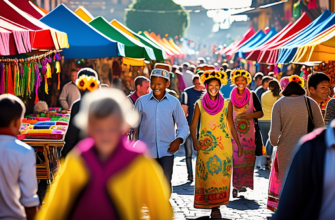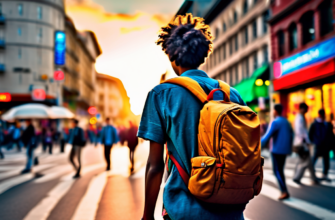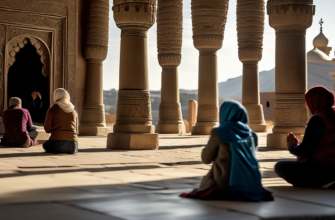

Traveling to new destinations often involves exploring a variety of attractions, from historical sites and religious temples to modern amusement parks and nature reserves. Each of these venues has its own set of dress code expectations, which can significantly enrich the travel experience and ensure respect for local customs. Proper attire not only demonstrates courtesy but also enhances comfort and safety during excursions. This comprehensive guide covers essential tips and practical advice on how to dress appropriately for different types of attractions around the world.
- Understanding the Importance of Appropriate Dress During Travel
- General Principles of Dressing for Travel
- Dress Codes for Specific Types of Attractions
- Religious Sites and Temples
- Tips for Dressing at Religious Sites
- Historical and Cultural Monuments
- Recommended Clothing
- Beach Resorts and Water Parks
- Guidelines
- Amusement Parks and Entertainment Venues
- Suggestions
- Nature Reserves and Outdoor Adventures
- Recommendations
- Nightlife and Restaurants
- Guidelines
- Practical Tips for Packing and Dressing Appropriately
- Special Considerations When Traveling to Different Countries
- Examples of Cultural Dress Norms
- Additional Tips for a Successful Dressing Strategy
- 1. Layer Clothing Appropriately
- 2. Consider Cultural Respect and Sensitivity
- 3. Choose Versatile Clothing Items
- 4. Prioritize Comfort and Functionality
- 5. Use the Right Footwear
Understanding the Importance of Appropriate Dress During Travel
When visiting unfamiliar locations, especially international or culturally significant sites, dressing appropriately is vital. It reflects respect for local customs, helps avoid unwanted attention or restrictions, and ensures a more immersive experience. Inappropriate clothing might lead to being denied entry, discomfort, or even offending local sensibilities.
- Respect for local customs: Many cultures have specific clothing norms, particularly for religious or historic sites.
- Protection from environmental factors: Appropriate attire can also offer protection from sun, cold, insects, or rough terrains.
- Personal safety and comfort: Choosing suitable clothing minimizes the risk of injury or discomfort during excursions.
General Principles of Dressing for Travel
While different attractions call for different dress codes, some general guidelines apply universally:
- Dress modestly for religious or cultural sites. Cover shoulders, knees, and avoid tight or revealing clothing unless specifically allowed.
- Choose comfortable footwear. Walks, stairs, uneven terrain — sturdy and comfortable shoes prevent fatigue and injury.
- Adapt to the climate. Use breathable fabrics in heat, layered clothing in cold, and waterproof gear in rainy weather.
- Avoid flashy or provocative clothing. Keep attire neutral and respectful to avoid drawing unnecessary attention.
Dress Codes for Specific Types of Attractions
Religious Sites and Temples
Visiting religious locations such as churches, mosques, temples, and shrines requires special attention to dress code norms. These sites often have strict rules to demonstrate reverence and humility.
Tips for Dressing at Religious Sites
- Cover shoulders and knees: Wear long pants or skirts and tops with sleeves.
- Bring a scarf or shawl: Useful for covering head or shoulders when required (especially in mosques and Hindu temples).
- Avoid tight or revealing clothing: Maintain modesty to show respect.
- Footwear: Usually, shoes must be removed before entering; wear easily removable shoes.
Historical and Cultural Monuments
Monuments and heritage sites vary in dress code strictness but generally prefer respectful attire.
Recommended Clothing
- Lightweight, respectful clothes that cover shoulders and knees.
- Sun protection: hats, sunglasses, and sunscreen.
- Comfortable shoes suitable for walking and standing for long periods.
Beach Resorts and Water Parks
Dress codes are more relaxed but still require appropriate swimwear and casual attire.
Guidelines
- Swimsuits are acceptable at pools and beaches but should be covered when leaving these areas.
- Bring cover-ups or light clothing to transition from water zones to dining or shopping areas.
- Flip-flops or water shoes for safety and comfort.
Amusement Parks and Entertainment Venues
Casual and comfortable attire conducive to active movement is ideal here. Think about weather and footwear for extended hours of walking.
Suggestions
- Breathable clothing for hot weather; layers for cooler days.
- Sturdy sneakers or trainers suitable for walking and standing.
- Caps or hats for sun protection.
Nature Reserves and Outdoor Adventures
Dress practically for outdoor excursions, considering terrains and weather conditions.
Recommendations
- Moisture-wicking or quick-dry fabrics.
- Long sleeves and pants to protect from insects and sun exposure.
- Sturdy hiking boots and a hat or cap.
- Rain gear if weather forecast predicts rain.
Nightlife and Restaurants
Dress codes for nightlife vary from casual to upscale, depending on the venue.
Guidelines
- Casual dining: neat jeans, t-shirts, or blouses.
- Upscale restaurants or clubs: formal or cocktail attire.
- Avoid athletic wear or overly casual clothing in refined settings.
Practical Tips for Packing and Dressing Appropriately
| Type of Attraction | Essential Clothing Items | Additional Accessories |
|---|---|---|
| Religious Sites | Long skirts, modest tops, shawls, closed-toe shoes | Scarf, ballet flats or slippers for shoes removal |
| Historical Monuments | Comfortable pants, breathable shirt, hat | Sunglasses, camera |
| Beaches & Water Parks | Swimsuit, cover-up, flip-flops | Beach bag, sunscreen, hat |
| Amusement Parks | Casual T-shirts, shorts, sneakers | Cap, sunglasses |
| Outdoor Adventures | Hiking pants, moisture-wicking shirt | Hiking boots, backpack, raincoat |
| Nightlife & Dining | Smart casual attire | Elegant shoes, clutch or small bag |
Special Considerations When Traveling to Different Countries
Each country and culture possess unique dress expectations. It is essential to research specific norms for your destination to avoid misunderstandings or disrespect.
Examples of Cultural Dress Norms
- Middle East: Covering shoulders and knees, women often wear long skirts or abayas.
- Asia: Traditional attire may be encouraged at temples (like Kimono in Japan or Sari in India).
- Europe & America: Generally casual but slightly upscale attire is preferred for fine dining or sophisticated venues.
- Africa: Lightweight, breathable clothing due to hot climate; respectfully cover shoulders and knees in certain regions.
Additional Tips for a Successful Dressing Strategy
1. Layer Clothing Appropriately
Layering allows flexibility to adapt outfits as weather conditions change throughout the day. For example, wearing a t-shirt with a lightweight jacket or scarf makes it easy to adjust for sun, cold, or wind.
2. Consider Cultural Respect and Sensitivity
Research local customs and dress codes beforehand. When in doubt, opt for more conservative clothing to avoid unintended offence.
3. Choose Versatile Clothing Items
Pack items that can be combined in different ways to create appropriate outfits for various scenarios, reducing luggage weight and increasing practicality.
4. Prioritize Comfort and Functionality
Choose clothing that is comfortable for prolonged periods of walking, standing, or physically active pursuits.
5. Use the Right Footwear
Invest in quality, comfortable shoes suitable for different terrains to prevent foot pain and ensure safety.
Appropriate dressing plays a crucial role in tourism, influencing not just comfort but also cultural respect and overall travel quality. Recognizing the unique requirements of each attraction and region enables travelers to enjoy their visits fully, make positive impressions, and avoid potential inconveniences. By following the guidelines outlined in this comprehensive guide, tourists can wear stylish, respectful, and functional outfits tailored to every exploration, ensuring memorable and trouble-free adventures.
Похожие записи:
 Ultimate Guide: Tips for Visiting Outdoor Attractions in Sunny Weather
  Ultimate Guide: Tips for Finding Child-Friendly Attractions Near Your Hotel
  Respectful Guidelines for Visiting Cultural and Religious Sites: Essential Tips for Tourists
  Enhance Your Travel Experience: Essential Cultural Etiquette Tips for Sightseeing Success
  Ultimate Guide: Bring Versatile Clothing for Different Weather Conditions During Your Hotel Holiday
  Ultimate Guide: Must-Have Items to Avoid Overpacking on Your Hotel Holidays
  Best Walking Routes to Explore Historic Districts Efficiently: Your Ultimate Guide
  Ultimate Guide: How to Stay Energized and Hydrated During Busy Sightseeing Days
  Ultimate Guide: How to Balance Sightseeing and Relaxation During Your Hotel Holidays
  Ultimate Guide: Tips for Booking Tickets Online to Skip Long Queues and Save Time
  How to Prioritize Must-See Sights Based on Your Interests: A Guide for Tourists on Hotel Holidays
  Ultimate Guide: Top Tips for Capturing Stunning Photos of City Landmarks
  Ultimate Guide: How to Avoid Pickpockets and Stay Safe in Crowded Places During Your Hotel Holidays
  Ultimate Safety Tips for Exploring Nightlife and Entertainment Areas During Your Hotel Vacation
  Ultimate Guide to Using Mobile Apps for Navigation and Local Info During Hotel Holidays
  Mastering Local Transportation Cards: Your Ultimate Guide to Stress-Free Travel