Traveling offers the exciting opportunity to explore new cultures, taste diverse cuisines, and immerse oneself in local traditions. Among the many culinary adventures, street food often stands out as a highlight for travelers seeking authentic flavors at affordable prices. However, this tempting culinary world can also pose significant health risks if not approached with caution. Foodborne illnesses, commonly known as food poisoning, can quickly spoil a vacation, leading to discomfort and health complications. This comprehensive guide aims to educate travelers on how to enjoy street food safely, minimizing the risk of foodborne illnesses during their journeys.
- Understanding Foodborne Illnesses and Their Risks
- What Are Foodborne Illnesses?
- Common Pathogens in Street Food
- Factors Contributing to Foodborne Illnesses in Street Food
- Practical Tips for Safe Street Food Consumption
- 1. Choose Vendors Wisely
- 2. Evaluate the Food Preparation Environment
- 3. Prioritize Cooked Foods Over Raw
- 4. Be Mindful of Temperature
- 5. Use Your Senses to Assess Food Safety
- 6. Practice Good Personal Hygiene
- 7. Drink Safe Beverages
- Common Mistakes to Avoid
- Understanding Local Water and Food Safety Practices
- Health Precautions Before, During, and After Street Food Exposure
- Pre-Travel Preparation
- During Your Trip
- Post-Travel Recovery
- Table: Summary of Safe Street Food Practices
- Additional Resources for Safe Travel
Understanding Foodborne Illnesses and Their Risks
What Are Foodborne Illnesses?
Foodborne illnesses are infections or irritations of the gastrointestinal tract caused by consuming contaminated food or beverages. Common pathogens involved include bacteria, viruses, parasites, and toxins produced by certain bacteria. Symptoms often manifest as nausea, vomiting, diarrhea, abdominal cramps, fever, and dehydration. While most cases resolve within a few days, severe infections can lead to hospitalization or even be life-threatening, especially for vulnerable populations such as children, pregnant women, and the elderly.
Common Pathogens in Street Food
| Pathogen | Type | Common Sources | Associated Diseases |
|---|---|---|---|
| Salmonella | Bacteria | Raw or undercooked poultry, eggs, contaminated water | Salmonellosis |
| Escherichia coli (E. coli) | Bacteria | Contaminated meats, vegetables, unpasteurized dairy | Hemolytic uremic syndrome (HUS) |
| Norovirus | Virus | Contaminated water, shellfish, infected food handlers | Gastroenteritis |
| Giardia lamblia | Parasite | Contaminated water or food | Giardiasis |
| Vibrio cholerae | Bacteria | Contaminated water and food | Cholera |
Factors Contributing to Foodborne Illnesses in Street Food
- Poor hygiene practices: Inadequate handwashing, unclean utensils, and food contact surfaces.
- Inadequate cooking: Consuming partially cooked or undercooked foods.
- Contaminated water: Using unsafe water for washing ingredients or cooking.
- Cross-contamination: Contact between raw and cooked foods or contaminated surfaces.
- Environmental factors: High temperatures and humidity promoting bacterial growth.
Practical Tips for Safe Street Food Consumption
1. Choose Vendors Wisely
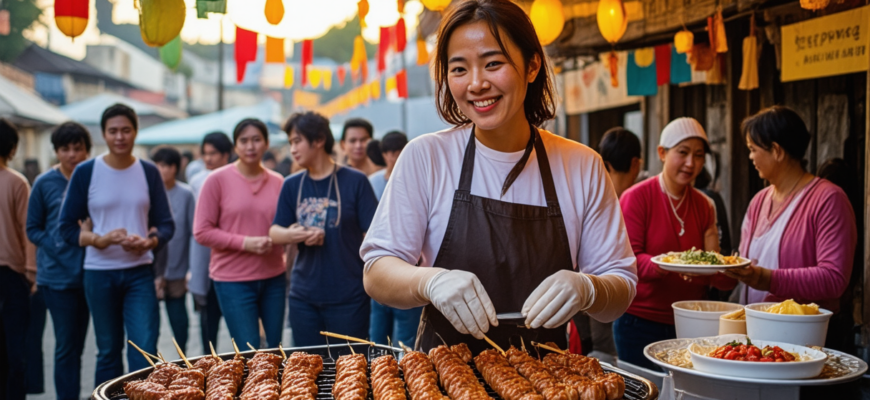
Opt for street vendors and food stalls that have a high turnover, clean appearance, and positive reviews from fellow travelers or locals. Busy stalls often indicate that the food is fresh, and the high volume discourages prolonged storage or spoilage. Observe the cleanliness of the food preparation area, utensils, and staff hygiene practices before making a decision.
2. Evaluate the Food Preparation Environment
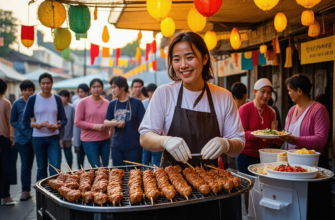
Look for signs of good hygiene, such as clean cloths, gloves, or utensils used during food handling. Avoid stalls where food is displayed openly without cover, exposed to insects or dust. Prefer vendors who cook food thoroughly in front of you, ensuring safety and freshness.
3. Prioritize Cooked Foods Over Raw
Cooked foods stored at high temperatures are less likely to harbor harmful bacteria. Items like grilled meats, fried snacks, and steamed foods are generally safer. If you are considering raw foods such as salads or fruit, ensure they are prepared with clean water and fresh ingredients.
4. Be Mindful of Temperature
Food should be hot when served and maintained at safe temperatures. According to health guidelines, hot foods should be kept at 60°C (140°F) or above, while cold items should be below 4°C (39°F). Avoid foods that have been sitting out for extended periods or visibly cooled off.
5. Use Your Senses to Assess Food Safety
- Appearance: Look for vibrant colors and fresh-looking ingredients.
- Smell: A sour or foul odor indicates spoilage.
- Texture: Slimy or sticky textures are warning signs of bacterial growth.
6. Practice Good Personal Hygiene
Wash your hands thoroughly with soap and clean water before eating. If soap and water are unavailable, use an alcohol-based hand sanitizer. Avoid touching your face or handling foods directly with dirty hands.
7. Drink Safe Beverages
Consume bottled or sealed drinks, avoiding tap water or drinks with ice made from unknown water sources. Check that bottles are unopened and labels are intact before opening.
Common Mistakes to Avoid
- Eating foods that are visibly contaminated or have been kept at unsafe temperatures.
- Consuming raw or undercooked seafood, meats, or dairy products.
- Holding food in hot or cold storage for too long.
- Ignoring signs of poor hygiene or cleanliness at the food stall.
- Respecting local customs without assessing the safety of specific foods.
Understanding Local Water and Food Safety Practices
Many countries have varying standards of food safety, and what is safe in one place may not be in another. Always prioritize bottled water, avoid raw vegetables washed with unclean water, and choose cooked foods over raw preparations, especially if hygiene practices are unclear. Educate yourself on local advisories and consult with locals or hotel staff about safe street food options.
Health Precautions Before, During, and After Street Food Exposure
Pre-Travel Preparation
- Get necessary vaccinations (e.g., hepatitis A, typhoid).
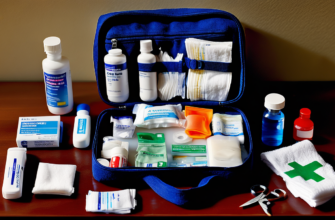
- Pack a travel health kit with oral rehydration salts, anti-diarrheal medication, and probiotics.
During Your Trip
- Maintain good personal hygiene.
- Follow safe eating tips outlined above.
- Stay hydrated with bottled water.
Post-Travel Recovery
- If experiencing gastrointestinal symptoms, seek medical attention promptly.
- Rest, hydrate, and follow doctor’s advice to recover fully.
Table: Summary of Safe Street Food Practices
| Practice | Benefit |
|---|---|
| Select busy and reputable vendors | Ensures high turnover and freshness |
| Cook foods thoroughly | Eliminates common bacteria and parasites |
| Check for cleanliness and hygiene | Reduces contamination risk |
| Prioritize hot foods and safe beverages | Prevents ingestion of contaminated or spoiled items |
| Practice personal hygiene | Minimizes transfer of pathogens |
Enjoying street food can be one of the most memorable parts of travel, providing an authentic taste of local culture. However, safety should always be a top priority to prevent the unpleasant and sometimes serious consequences of foodborne illnesses. By following practical tips — such as choosing reputable vendors, prioritizing cooked foods, maintaining personal hygiene, and being attentive to signs of food safety — travelers can significantly reduce health risks. Awareness and caution are essential to balancing culinary exploration with health preservation, ensuring that the journey remains enjoyable and safe from start to finish.
Additional Resources for Safe Travel
- World Health Organization: Food Safety Tips
- Centers for Disease Control and Prevention: Traveler’s Health
- Local tourism boards and health advisories
Похожие записи:
 Discover Local Flavors: Visiting Food Trucks and Street Vendors for Quick, Delicious Bites
  Ultimate Guide: How to Enjoy Local Food Markets Safely During Your Hotel Holiday
  Maximize Your Food Experience: Visiting Markets During Peak Hours for Fresh Local Delights
  Discover the World’s Best Food-Themed Walking Tours: Combining Sightseeing with Culinary Tastings
  Avoid Sharing Personal Travel Plans on Social Media in Real-Time: Essential Tips for Tourists on Hotel Holidays
  Essential Travel Toiletries: Why Choosing Travel-Sized Containers Is a Must
  Experience Local Flavors: How to Enhance Your Hotel Holiday by Joining Food Tasting Events and Festivals
  Explore Authentic Local Flavors: Visiting Food Festivals and Events During Your Hotel Holidays
  Discover the Flavor: How Following Food Influencers Enhances Your Regional Cuisine Experience During Hotel Holidays
  Enhance Your Travel Experience: Always Carry a Travel Pillow for Superior Comfort During Transit
  Stay Hydrated on Hotel Holidays: The Ultimate Guide to Using a Reusable Water Bottle
  Unlocking Local Flavors: How to Use Social Media Hashtags to Discover Trending Food Spots During Hotel Holidays
  Opt for Fresh Salads and Seasonal Vegetables for Healthy Dining During Hotel Holidays
  Ultimate Guide to Verifying Safety and Cleanliness Standards of Hotels Before Booking
  Join Food Tours to Sample a Variety of Local Dishes and Discover Their Rich Cultural Stories
  Essential Travel Tips: Bringing Plastic Bags for Wet Clothes and Dirty Shoes During Hotel Holidays