When vacationing at a hotel by the sea or in a coastal region, one of the most delightful ways to experience the local cuisine is through seafood. Not only does seafood offer a delicious and diverse range of flavors, but it is also a vital source of essential nutrients, particularly omega-3 fatty acids. These healthy fats are renowned for their numerous health benefits, including supporting heart health, improving brain function, and reducing inflammation. This comprehensive guide aims to assist tourists in selecting the freshest seafood options rich in omega-3 fatty acids during their hotel holidays, ensuring both a delightful tasting experience and optimal health benefits.
- Understanding Omega-3 Fatty Acids
- What Are Omega-3 Fatty Acids?
- Why Are Omega-3s Important?
- Seafood Varieties Rich in Omega-3 Fatty Acids
- Fatty Fish: The Best Source of Omega-3s
- Other Marine Sources of Omega-3
- How to Choose the Freshest Seafood at Hotels
- Indicators of Fresh Seafood
- Sampling Tips from Hotel Chefs
- Maximizing Omega-3 Intake While Traveling
- Optimal Cooking and Serving Methods
- Tips for Including Omega-3 Rich Seafood in Your Diet
- Sample Menu: Delicious Omega-3 Rich Seafood Dishes
- 1. Grilled Salmon with Lemon and Herbs
- 2. Sardine Toasts with Olive Oil and Tomatoes
- 3. Mackerel in Tomato Sauce
- 4. Oyster Platter
- Health Benefits of Consuming Fresh Seafood Rich in Omega-3s
- Precautions and Considerations
Understanding Omega-3 Fatty Acids
What Are Omega-3 Fatty Acids?
Omega-3 fatty acids are a group of polyunsaturated fats essential for human health. Since the body cannot produce these fats on its own, they must be obtained through diet. The three main types of omega-3s relevant for human nutrition are:
- Eicosapentaenoic acid (EPA)
- Docosahexaenoic acid (DHA)
- Alpha-linolenic acid (ALA)
(primarily found in plant sources)
Of these, EPA and DHA are most prevalent in marine life and are particularly beneficial for cardiovascular and neurological health. ALA, found in plant oils, can be converted in small amounts into EPA and DHA in the body.
Why Are Omega-3s Important?
Omega-3 fatty acids play a crucial role in maintaining cellular health and regulating bodily functions. Their health benefits include:
- Reducing risk factors for heart disease by lowering triglycerides and blood pressure
- Supporting brain development and cognitive function
- Decreasing inflammation and symptoms of autoimmune diseases
- Improving eye health and preventing age-related macular degeneration
- Supporting fetal development during pregnancy
Seafood Varieties Rich in Omega-3 Fatty Acids
Fatty Fish: The Best Source of Omega-3s
Most marine fish contain significant amounts of omega-3 fatty acids, especially those with high fat content. Here are some of the most omega-3-rich fish commonly available in coastal hotels:
| Fish Species | Omega-3 Content (per 100g) | Notes |
|---|---|---|
| Salmon (wild-caught) | 2.3 g | One of the richest sources; prefer wild-caught for optimal omega-3 levels |
| Mackerel | 2.6 g | Flavorful and oily fish, common in regional dishes |
| Sardines (canned or fresh) | 2.2 g | Affordable and widely available; can be eaten whole |
| Herring | 2.0 g | Popular in northern coastal regions |
| Anchovies | 1.9 g | Used as toppings or in sauces, rich in omega-3s |
| Pacific Oysters | 0.4 g | Lower in omega-3s but still a good source of other nutrients |
Other Marine Sources of Omega-3
While fatty fish are the most concentrated sources, certain other seafood can contribute to omega-3 intake:
- Squid and Octopus: Moderate omega-3 levels
- Caviar: Contains healthy fats, including omega-3s
- Seaweed: Rich in ALA and other beneficial compounds, especially in vegetarian or vegan diets
How to Choose the Freshest Seafood at Hotels
Indicators of Fresh Seafood
Selecting fresh seafood ensures maximum omega-3 content and optimal flavor. Here are key signs to look for when choosing seafood at a hotel or local market:
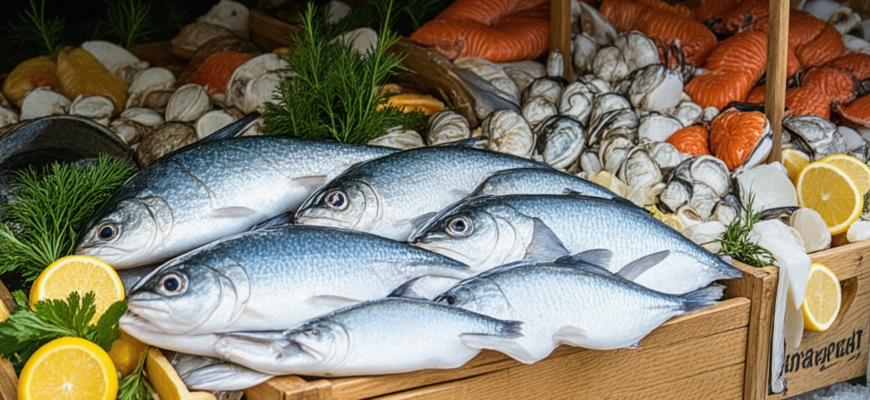
- Appearance: Bright, clear eyes (for fish), shiny and moist skin, vibrant color
- Smell: Mild, ocean-like scent; avoid strong, ammonia-like odors
- Texture: Firm and resilient to touch; flesh should bounce back when pressed
- Gills: Bright red or pink, not brown or dull
- Scales: Intact, shiny, and adherent to the skin
Sampling Tips from Hotel Chefs
Many hotels offer fresh seafood displays or live seafood tanks. Some tips to ensure quality include:
- Ask about the origin of the seafood and whether it is locally sourced or imported
- Request the seafood to be prepared immediately for optimal freshness
- Choose dishes that highlight the natural flavor of freshly caught fish, such as grilled or steamed options
- Be mindful of the presentation: fresh seafood should look appealing and appetizing
Maximizing Omega-3 Intake While Traveling
Optimal Cooking and Serving Methods
How seafood is prepared greatly influences the retention of omega-3 fatty acids. Here are recommended methods:
- Grilling: Preserves omega-3s and enhances flavor
- Steaming: Keeps the seafood moist and nutrients intact
- Baking: An effective low-fat cooking method that preserves nutrients
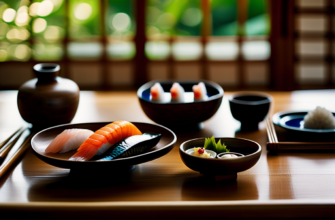
- Raw dishes: Sashimi, sushi, or ceviche retain most omega-3s; ensure seafood is from reputable sources
Tips for Including Omega-3 Rich Seafood in Your Diet
- Choose oily fish options regularly, at least 2-3 times per week
- Combine seafood with vegetables or healthy fats like olive oil for a balanced meal
- Consider supplementing with omega-3 capsules if seafood options are limited or for additional intake
- Incorporate traditional regional recipes known for their seafood dishes rich in omega-3s
Sample Menu: Delicious Omega-3 Rich Seafood Dishes
1. Grilled Salmon with Lemon and Herbs
A classic dish highlighting the rich flavor of wild salmon, packed with EPA and DHA.
2. Sardine Toasts with Olive Oil and Tomatoes
A simple, nutritious appetizer using canned sardines, ideal for quick meals.
3. Mackerel in Tomato Sauce
Traditional preparation that enhances omega-3 intake while offering a savory taste.
4. Oyster Platter
Fresh oysters served raw or lightly cooked, rich in omega-3s and other minerals.
Health Benefits of Consuming Fresh Seafood Rich in Omega-3s
Regular consumption of omega-3-rich seafood during holidays can significantly improve health outcomes. Some key benefits include:
- Lowering blood pressure and triglyceride levels
- Reducing risk of heart attack and stroke
- Enhancing cognitive function and mood
- Supporting fetal development in pregnant women
- Reducing joint inflammation and improvement of autoimmune conditions
Precautions and Considerations
While seafood offers numerous health benefits, tourists should also be mindful of potential concerns:
- Mercury Levels: Some large, predatory fish (like swordfish, king mackerel) may contain higher mercury concentrations. Opt for safer species like salmon, sardines, and mackerel.
- Allergies: Seafood allergies are common; always check with your health provider if unsure.
- Source Sustainability: Choose sustainably sourced seafood to support environmental conservation efforts.
Choosing fresh seafood rich in omega-3 fatty acids during hotel holidays ensures not only a high-quality culinary experience but also a plethora of health benefits. By paying attention to the signs of freshness, selecting species known for their omega-3 content, and preparing dishes using healthy methods, tourists can maximize their nutritional intake and enjoy the flavors of local seafood. Remember, incorporating omega-3-rich seafood into your diet is a valuable step toward a healthier lifestyle, even while enjoying the relaxing atmosphere of your holiday by the sea.
Похожие записи:
 Essential Dietary Tips for Tourists: Incorporate Lean Proteins Like Fish and Poultry During Hotel Holidays
  Maximizing Health on Hotel Holidays: Why Olive Oil and Local Plant Oils Are the Perfect Fats for Your Meals
  Ultimate Guide to Balancing Your Meals: The Perfect Mix of Carbohydrates, Proteins, and Fats for Healthy Holidays
  Discover the Charm of Local Markets: Your Guide to Fresh and Wholesome Ingredients During Hotel Holidays
  Opt for Fresh Salads and Seasonal Vegetables for Healthy Dining During Hotel Holidays
  Choosing Dairy Products Rich in Probiotics to Support Digestion: Essential Tips for Healthy Travel
  Healthy Eating Tips for Travelers: Favor Grilled and Baked Foods Over Fried Dishes
  Limit Sugary Pastries and Desserts to Maintain Blood Sugar Levels: Essential Tips for Tourists on Hotel Holidays
  Read Food Labels Carefully When Consuming Packaged Items: Essential Tips for Tourists on Hotel Holidays
  Boost Your Gut Health During Hotel Holidays: The Importance of Probiotics and Fermented Foods
  Healthy Snacking on Hotel Holidays: The Power of Local Nuts and Seeds
  Prioritize Breakfast to Start Your Day with Energy and Focus: Essential Tips for Tourists on Hotel Holidays
  Supercharge Your Breakfast: Incorporate Fruits for a Vitality Boost During Hotel Holidays
  Join Food Tours to Sample a Variety of Local Dishes and Discover Their Rich Cultural Stories
  Maximize Your Food Experience: Visiting Markets During Peak Hours for Fresh Local Delights
  Ultimate Guide: Avoid Excessive Caffeine Intake to Prevent Dehydration and Sleep Issues During Hotel Holidays