Traveling offers the chance to explore new cuisines, enjoy relaxing hotel stays, and create unforgettable memories. However, when it comes to consuming packaged foods during hotel vacations, understanding food labels is crucial. Proper label reading can significantly impact your health, dietary needs, and overall vacation experience. This comprehensive guide aims to equip tourists with practical knowledge on how to interpret food labels effectively, ensuring safer and healthier consumption during their hotel holidays.
- Why Are Food Labels Important for Tourists?
- Key Components of Food Labels
- 1. Product Name and Description
- 2. Ingredients List
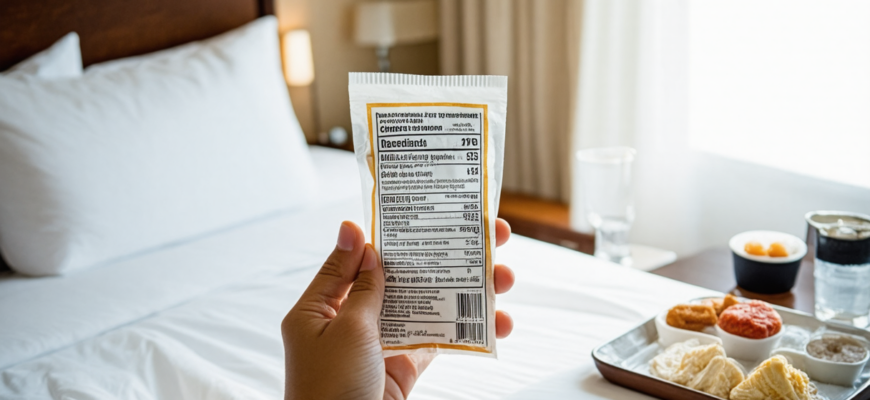
- 3. Nutritional Information
- 4. Serving Size and Servings per Container
- 5. Expiration Date / Best Before
- 6. Storage Instructions
- 7. Allergen Information
- 8. Manufacturer Details
- Practical Tips for Reading Food Labels Effectively
- 1. Always Check the Expiry or Best Before Date
- 2. Examine Ingredients for Allergens and Additives
- 3. Understand Nutrition Facts
- 4. Be Mindful of Serving Sizes
- 5. Recognize Common Food Label Terms and Symbols
- 6. Confirm Storage and Handling Instructions
- 7. Be Aware of Local Labeling Variations
- Common Food Labels and Their Significance
- Formulas and Calculations to Manage Nutritional Intake
- 1. Total Nutrient Intake Calculation
- 2. Daily Calorie Requirement Estimate
- The Role of Food Labels in Preventing Food Intolerances and Allergies
- Additional Tips for Safe Consumption During Hotel Holidays
- 1. Opt for Fresh or Whole Foods When Possible
- 2. Use Food Safety Apps and Resources
- 3. Communicate Dietary Needs Clearly
- 4. Keep Hydrated and Avoid Unfamiliar Water Sources
- Summary and Conclusion
Why Are Food Labels Important for Tourists?
Food labels serve as the primary source of information about packaged products. They provide details on nutritional content, ingredients, allergens, expiration dates, and storage instructions. For tourists, especially those with specific dietary restrictions, allergies, or health conditions, these labels are vital for making informed choices.
Moreover, in unfamiliar countries, food labels can vary significantly in format and terminology. Familiarity with reading and understanding labels helps prevent health issues such as allergic reactions, food poisoning, or inadvertent consumption of unhealthy ingredients.
Key Components of Food Labels
Understanding the structure of a typical food label is essential. Below are the main components to focus on:
1. Product Name and Description
This identifies the product and sometimes includes specific details about its nature or flavor. It helps quickly determine if the item aligns with the consumer’s preferences or dietary plan.
2. Ingredients List
Details all components used in the product, listed in descending order by weight. Recognizing ingredients helps identify allergens, additives, preservatives, or other substances of concern.
3. Nutritional Information
Provides data on calories, fats, carbohydrates, proteins, vitamins, and minerals per serving size. This information is essential for maintaining a balanced diet while on vacation.
4. Serving Size and Servings per Container
Indicates typical portion sizes and the number of servings contained within a package. Helps in calculating nutrient intake accurately.
5. Expiration Date / Best Before
Shows the date until which the product remains safe and retains its quality. Always check this date to avoid consuming spoiled items.
6. Storage Instructions
Provides guidance on how to store the product to maximize freshness and safety, such as refrigeration or keeping in a cool, dry place.
7. Allergen Information
This section flags common allergens such as nuts, dairy, gluten, shellfish, etc. Critical for travelers with food allergies or sensitivities.
8. Manufacturer Details
Includes information about the producer, batch number, and country of origin. Useful for traceability and in case of recalls or safety alerts.
Practical Tips for Reading Food Labels Effectively
1. Always Check the Expiry or Best Before Date
Before purchasing or consuming any packaged food, verify that the product is within its safe consumption period. Do not consume items past their expiration date, as they may pose health risks.
2. Examine Ingredients for Allergens and Additives
Look closely at the ingredients list. If you have allergies, celiac disease, or prefer to avoid certain additives, cross-reference listed ingredients with your dietary restrictions.
3. Understand Nutrition Facts
Become familiar with nutritional information, especially if you are managing calorie intake, sugar levels, or fat consumption. Use this data to make balanced choices during your trip.
4. Be Mindful of Serving Sizes
Compare portion sizes to your typical consumption patterns. A product with high calories per serving might be acceptable if consumed in moderation.
5. Recognize Common Food Label Terms and Symbols
Learn the meaning of standard labels and symbols such as:
- Gluten-Free: Suitable for people with gluten intolerance.
- Vegan / Vegetarian: Contains no animal products.
- Organic: Made from organically farmed ingredients.
- Non-GMO: Free from genetically modified organisms.
6. Confirm Storage and Handling Instructions
Proper storage prolongs freshness and safety. For example, some products require refrigeration after opening or have specific temperature requirements.
7. Be Aware of Local Labeling Variations
In different countries, labeling language, symbols, and standards may vary. Use translation tools or guides to understand foreign labels accurately.
Common Food Labels and Their Significance
| Label Element | Significance |
|---|---|
| Expiration Date / Best Before | Helps identify products that are safe to consume; avoid expired items. |
| Allergen Information | Prevents allergic reactions by highlighting potential triggers. |
| Nutrition Facts | Allows calculation of calorie and nutrient intake for health management. |
| Ingredients List | Understanding what is in the product, especially for dietary restrictions. |
| Storage Instructions | Maintains product quality and safety through proper storage. |
| Certification Seals (Organic, Vegan, etc.) | Indicates specific standards met by the product. |
Formulas and Calculations to Manage Nutritional Intake
For tourists tracking their diet, understanding basic formulas can be helpful. Here are a few essential calculations:
1. Total Nutrient Intake Calculation
To determine the total intake of a nutrient based on consumption:
Total Nutrient (g) = (Nutrient per serving (g)) × (Number of servings consumed)
2. Daily Calorie Requirement Estimate
One common formula used for estimating daily caloric needs (Harris-Benedict Equation):
For men: BMR = 88.36 + (13.4 × weight in kg) + (4.8 × height in cm) - (5.7 × age in years)
For women: BMR = 447.6 + (9.2 × weight in kg) + (3.1 × height in cm) - (4.3 × age in years)
*Multiply BMR by activity factor to estimate total daily calories.*
The Role of Food Labels in Preventing Food Intolerances and Allergies
Food labels are instrumental in safeguarding individuals with food allergies or intolerances. Clear labeling of allergens allows travelers to avoid potentially dangerous foods. Here are the commonly flagged allergens:
- Peanuts and Tree Nuts
- Dairy Products
- Gluten
- Shellfish and Fish
- Eggs
- Soy
In certain countries, allergen information must be prominently displayed, but in others, it may be less conspicuous. When in doubt, consulting local guides or asking hotel staff is advisable.
Additional Tips for Safe Consumption During Hotel Holidays
1. Opt for Fresh or Whole Foods When Possible
Whenever available, choose fresh fruits, vegetables, or minimally processed foods to reduce risks associated with packaged items.
2. Use Food Safety Apps and Resources
Leverage mobile apps that help translate labels, identify allergens, or provide safety ratings for packaged foods in foreign countries.
3. Communicate Dietary Needs Clearly
When dining in hotel restaurants or bakeries, inform staff about allergies or dietary restrictions to prevent cross-contamination and accidental ingestion.
4. Keep Hydrated and Avoid Unfamiliar Water Sources
While not directly related to food labels, proper hydration and avoiding questionable water sources contribute to overall health during travel.
Summary and Conclusion
Reading food labels diligently is a vital skill that enhances safety, health, and enjoyment during hotel holidays. It empowers travelers to make informed decisions, avoid allergens, and maintain balanced diets despite unfamiliar surroundings. By understanding the components of food labels, recognizing key terms, and applying practical calculations, tourists can navigate the often complex world of packaged foods with confidence.
In essence, attention to detail and a proactive approach to label reading are the best tools travelers have to ensure their holiday remains safe, enjoyable, and nourishing. Whether in a local market, a supermarket abroad, or packaged snacks in a hotel minibar, always prioritize informed consumption for a worry-free vacation experience.
Похожие записи:
 Choosing Dairy Products Rich in Probiotics to Support Digestion: Essential Tips for Healthy Travel
  Beware of Street Food: How to Avoid Foodborne Illnesses During Travel
  Comprehensive Guide to Researching Dietary-Specific Options for Tailored Hotel Holidays
  Essential Safety Tips for Tourists: Why You Should Never Leave Drinks Unattended or Accept Beverages from Strangers
  Healthy Eating Tips for Travelers: Favor Grilled and Baked Foods Over Fried Dishes
  Find the Nearest Hospital or Medical Center Near Your Hotel: Essential Tips for Tourists
  Opt for Fresh Salads and Seasonal Vegetables for Healthy Dining During Hotel Holidays
  Avoid Discussing Sensitive Topics with Strangers in Public Areas: Essential Tips for Tourists on Hotel Holidays
  Discover Local Flavors: Visiting Food Trucks and Street Vendors for Quick, Delicious Bites
  Limit Alcohol Consumption to Stay Hydrated and Healthy During Hotel Holidays
  Stay Informed About Local Weather Conditions and Forecasts: Essential Tips for Tourists Planning Hotel Holidays
  Avoid Sharing Personal Travel Plans on Social Media in Real-Time: Essential Tips for Tourists on Hotel Holidays
  Discover the Flavor: How Following Food Influencers Enhances Your Regional Cuisine Experience During Hotel Holidays
  Ultimate Guide: Must-Have Items to Avoid Overpacking on Your Hotel Holidays
  Ultimate Guide: How to Enjoy Local Food Markets Safely During Your Hotel Holiday
  Maximizing Health on Hotel Holidays: Why Olive Oil and Local Plant Oils Are the Perfect Fats for Your Meals