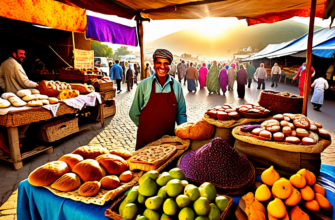
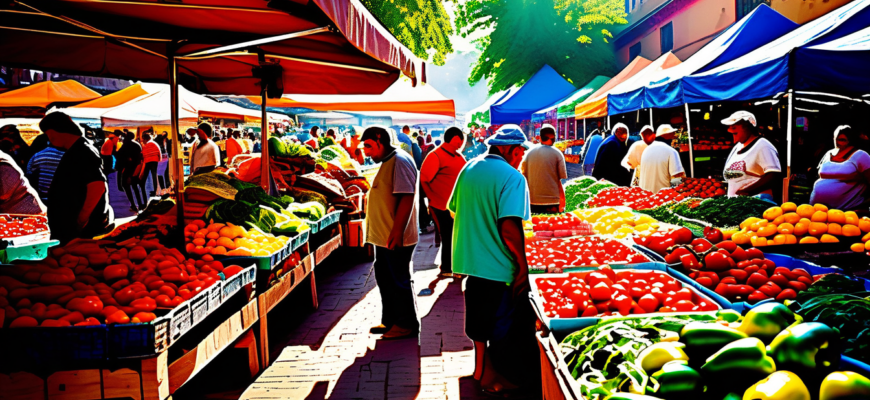
Traveling offers a unique opportunity to explore new cultures, landscapes, and cuisines. While relying on hotel restaurants can be convenient, venturing into local markets for meals provides a richer, more authentic experience. Not only do these markets serve up traditional dishes that reflect the region’s culinary heritage, but they also often feature prices significantly lower than upscale restaurants. This comprehensive guide will help travelers navigate local markets confidently, ensuring they enjoy delicious, authentic, and budget-friendly meals during their hotel holidays.
- The Benefits of Eating at Local Markets
- 1. Authentic Culinary Experience
- 2. Cost-Effective Dining Options
- 3. Cultural Immersion
- 4. Fresh and Local Ingredients
- How to Find the Best Local Markets
- 1. Research Before Arrival
- 2. Ask Local Residents and Hotel Staff
- 3. Explore Popular Tourist Areas and Neighborhoods
- 4. Attend Market Days and Festivals
- Tips for Navigating Local Markets
- 1. Familiarize Yourself with Local Food Items
- 2. Eat What Looks Fresh and Popular
- 3. Be Open to Sampling New Dishes
- 4. Pay Attention to Hygiene and Cleanliness
- Top Culinary Experiences in Local Markets Around the World
- 1. Mercado de La Boqueria, Barcelona, Spain
- 2. Chatuchak Market, Bangkok, Thailand
- 3. Mercado Central, Valencia, Spain
- 4. Borough Market, London, UK
- 5. Mercado de San Miguel, Madrid, Spain
- Sample Menu: Typical Items Found in Local Markets
- Budget Planning: How Much to Expect
- Safety Tips When Eating in Local Markets
- Enhancing Your Culinary Adventure
- 1. Learn Basic Local Food Vocabulary
- 2. Take Photos and Ask Questions
- 3. Join Food Tours or Cooking Classes
- Final Tips for a Delicious and Budget-Friendly Market Experience
The Benefits of Eating at Local Markets
1. Authentic Culinary Experience
Local markets are treasure troves of regional flavors, offering dishes prepared using traditional recipes passed down through generations. Eating here allows travelers to taste truly authentic meals, often made with locally sourced ingredients that enhance their flavor and cultural significance.
2. Cost-Effective Dining Options
Compared to restaurants situated in tourist areas or hotel eateries, market stalls usually offer meals at a fraction of the price. This makes them ideal for travelers seeking to stretch their budgets without sacrificing quality or authenticity.
3. Cultural Immersion
Participating in the daily life of a destination — shopping at markets, chatting with vendors, and sampling local foods — deepens cultural understanding and enriches travel experiences.
4. Fresh and Local Ingredients
Markets emphasize regional produce, seafood, meats, and spices, ensuring that meals are fresh, flavorful, and reflective of the local environment.
How to Find the Best Local Markets
1. Research Before Arrival
- Use travel forums, blogs, and guidebooks to identify popular markets in your destination.
- Check travel websites like TripAdvisor or Google Maps for reviews and ratings.
2. Ask Local Residents and Hotel Staff
Hospitality staff, tour guides, or local residents often know hidden gems that are not widely advertised but serve delicious local foods.
3. Explore Popular Tourist Areas and Neighborhoods
Markets near major attractions or central neighborhoods tend to be lively and authentic, although sometimes more touristy. To find more genuine experiences, venture into less touristy districts.
4. Attend Market Days and Festivals
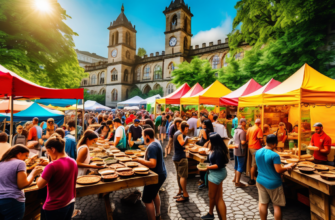
Special market days or local festivals showcase regional specialties and festive foods, providing a unique culinary experience.
Tips for Navigating Local Markets
1. Familiarize Yourself with Local Food Items
Learn the names of common dishes or ingredients in the local language to communicate effectively with vendors. Using a translation app or phrasebook can be surprisingly helpful.
2. Eat What Looks Fresh and Popular
Opt for stalls that display fresh ingredients and have a steady flow of customers — these are indicators of quality and popularity.
3. Be Open to Sampling New Dishes
Trying unfamiliar foods is part of the adventure. If you’re unsure about a dish, ask the vendor for a description or sample.
4. Pay Attention to Hygiene and Cleanliness
| Indicator | What to Look For |
|---|---|
| Cleanliness of Stall | Stalls should be tidy with clean utensils and serving areas. |
| Food Handling | Vendors should wear gloves and use separate utensils for different dishes, where possible. |
| Food Storage | Perishable items should be kept off the ground and covered. |
| Overall Atmosphere | Market should appear lively and organized, not neglected or dirty. |
Top Culinary Experiences in Local Markets Around the World
1. Mercado de La Boqueria, Barcelona, Spain
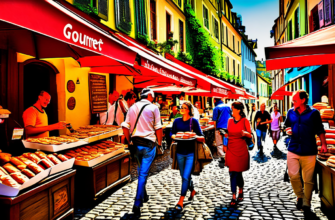
This vibrant market is famous for its fresh seafood, tapas, and regional delicacies. Try the famous “bocadillos” (sandwiches) with Iberico ham or fresh fruit smoothies.
2. Chatuchak Market, Bangkok, Thailand
Here, countless street food stalls serve authentic Thai dishes like pad thai, mango sticky rice, and spicy tom yum soup. Sampling at this sprawling market offers a glimpse into Thailand’s flavorful cuisine.
3. Mercado Central, Valencia, Spain
A seafood lover’s paradise, offering fresh clams, octopus, and regional paella ingredients. Don’t miss trying a traditional Spanish tapas platter.
4. Borough Market, London, UK
Lovers of European and international cuisine flock here for artisanal cheeses, baked goods, and prepared meals like street-style fish and chips or ethnic specialties.
5. Mercado de San Miguel, Madrid, Spain
This historic market offers gourmet tapas, olives, cured meats, and regional wines, perfect for sampling authentic Spanish flavors in a lively atmosphere.
Sample Menu: Typical Items Found in Local Markets
- Grilled seafood skewers
- Freshly baked bread or pastries
- Local cheeses and cured meats
- Regional vegetable dishes
- Traditional street snacks like empanadas or spring rolls
- Fruit and fresh juice stands
- Spiced nuts and candies
- Regional desserts, e.g., baklava, flan, or fruit tarts
Budget Planning: How Much to Expect
Meal costs at local markets vary depending on the destination and dish complexity. Generally, you can expect the following approximate prices:
| Region | Average Meal Price |
|---|---|
| Europe | $3 – $8 |
| Asia | $1.50 – $5 |
| South America | $2 – $6 |
| Africa | $1 – $4 |
Safety Tips When Eating in Local Markets
- Choose vendors with high customer traffic, indicating quality and trustworthiness.
- Inspect food for freshness and cleanliness before ordering.
- Use hand sanitizer or wash your hands after handling money and before eating.
- Avoid raw or undercooked seafood in unfamiliar markets to prevent foodborne illnesses.
- If you have food allergies, communicate clearly or bring translated allergy notes.
Enhancing Your Culinary Adventure
1. Learn Basic Local Food Vocabulary
Knowing simple phrases like “How much?” or “What is this?” in the local language can significantly improve interaction with vendors and help you discover new dishes.
2. Take Photos and Ask Questions
Capturing images of dishes and market scenes often prompts friendly interactions and useful recommendations from locals.
3. Join Food Tours or Cooking Classes
Many markets offer guided tours or cooking experiences that deepen understanding of regional cuisine, making your meals even more meaningful.
Exploring local markets during hotel holidays is a perfect way to enjoy authentic, flavorful, and affordable regional cuisine. It enriches travel by providing cultural insight and a chance to enjoy fresh, regional ingredients. With some preparation and open-mindedness, tourists can discover culinary gems that would otherwise remain hidden behind the doors of commercial restaurants. Embrace the vibrant atmosphere of local markets and let your taste buds experience the true essence of the destination — all while keeping travel costs manageable.
Final Tips for a Delicious and Budget-Friendly Market Experience
- Arrive early or during off-peak hours to avoid crowds and get the best selection.
- Carry local currency in small denominations for easy transactions.
- Respect local customs and traditions while sampling foods and interacting with vendors.
- Stay hydrated and wear comfortable footwear for exploring bustling markets.
Discovering local markets can transform a routine holiday into a memorable culinary adventure, offering insights into local culture while satisfying the palate. With this guide, travelers are empowered to navigate markets confidently, taste authentic dishes, and enjoy their hotel vacations to the fullest.
Похожие записи:
 Unlocking Culinary Secrets: How to Ask Hotel Staff for Their Favorite Local Restaurants and Hidden Gems
  Stay Hydrated on Hotel Holidays: The Ultimate Guide to Using a Reusable Water Bottle
  Ultimate Guide to Packing Entertainment for Hotel Holidays: Books, Podcasts, and Movies
  Smart Packing Tips: Using Foldable Totes & Extra Bags for Shopping and Souvenirs on Hotel Holidays
  Ultimate Guide to Using Offline Maps and Guidebooks for Seamless Navigation During Hotel Holidays
  Ultimate Guide: Must-Have Items to Avoid Overpacking on Your Hotel Holidays
  Essential Guide: Why You Should Include a Waterproof Phone Case or Dry Bag for Water Activities During Hotel Holidays
  Essential Small First Aid Kits for Travelers: How to Be Prepared During Hotel Holidays
  Essential Travel Tips: Bringing Plastic Bags for Wet Clothes and Dirty Shoes During Hotel Holidays
  Ultimate Guide to Packing an Adapter for International Travel: Ensure Your Devices Stay Powered
  Essential Travel Tips: Safeguarding Your Travel Documents and Copies During Hotel Holidays
  Ultimate Guide: Bring Versatile Clothing for Different Weather Conditions During Your Hotel Holiday
  Smart Packing: Travel-Sized Laundry Detergent for Quick and Easy Hotel Laundry
  Essential Tips for Tourists: Bringing an Extra Set of Keys or a Digital Copy of Your Hotel Key Card
  Don’t Forget to Bring Your Favorite Travel Skincare Products: Essential Tips for Hotel Vacationers
  Why You Should Pack a Swimsuit for Your Hotel Stay: Tips for Enjoying Pools and Beaches