
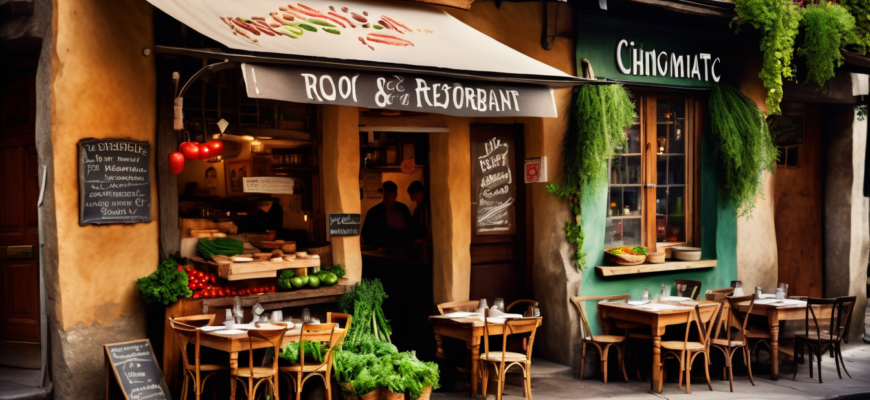
When traveling, food offers a window into the culture, history, and traditions of a region. Dining at establishments that emphasize regional ingredients and authentic culinary practices enriches the travel experience, allowing tourists to connect deeply with the local environment and its heritage. This comprehensive guide explores how to identify restaurants that truly celebrate regional flavors, the importance of supporting local gastronomy, and practical tips to enhance culinary adventures during hotel holidays.
- The Importance of Regional Cuisine in Travel
- What Are Regional Ingredients and Culinary Traditions?
- Defining Regional Ingredients
- Understanding Culinary Traditions
- Why Seek Out Restaurants That Celebrate Regional Ingredients and Traditions?
- How to Find Restaurants That Highlight Regional Flavors
- Research Before Traveling
- Consult Local Experts and Hosts
- Check Menus for Local and Seasonal Items
- Attend Food Festivals and Markets
- Look for Restaurants with Certifications or Awards
- Practical Tips for Choosing Authentic Regional Restaurants During Hotel Holidays
- 1. Prioritize Small, Family-Owned Eateries
- 2. Observe the Restaurant’s Atmosphere and Decor
- 3. Engage with the Staff
- 4. Be Open to New Flavors and Preparation Styles
- 5. Use Food Apps and Digital Resources
- Key Indicators That a Restaurant Celebrates Regional Ingredients and Traditions
- The Role of Culinary Tourism in Preserving Regional Food Heritage
- Sample Regional Dishes to Look for in Different Regions
- Europe
- Asia
- Americas
- Enhancing Your Culinary Journey During Hotel Holidays
The Importance of Regional Cuisine in Travel
Regional cuisine is more than just a collection of dishes; it is a living reflection of the area’s climate, geography, history, and cultural influences. When travelers choose to dine at restaurants that prioritize local ingredients and traditional methods, they partake in a culinary narrative that has been passed down through generations. Supporting such establishments not only provides authentic flavors but also contributes to the preservation of regional culinary identities.
What Are Regional Ingredients and Culinary Traditions?
Defining Regional Ingredients
Regional ingredients are those sourced from the immediate environment or specific geographic area, often highlighting local produce, meats, dairy, grains, and spices. These ingredients are usually fresh, seasonal, and cultivated using traditional methods, ensuring a unique taste that cannot be replicated elsewhere.
Understanding Culinary Traditions
Culinary traditions encompass cooking techniques, recipes, presentation styles, and dining customs native to a particular region. They reflect historical influences, indigenous practices, and cultural exchanges, forming an essential part of a region’s identity. Preserving these traditions through dining helps maintain cultural diversity and heritage.
Why Seek Out Restaurants That Celebrate Regional Ingredients and Traditions?
- Authentic Experience: Enjoy genuine flavors that embody local culture.
- Support Local Economy: Help regional producers and small businesses thrive.
- Sustainable Practices: Favor establishments that prioritize seasonal, local sourcing, reducing environmental impact.
- Educational Opportunity: Learn about the region’s history and culture through its cuisine.
How to Find Restaurants That Highlight Regional Flavors
Research Before Traveling
Begin by exploring travel guides, food blogs, and online review platforms such as TripAdvisor, Google Maps, or Yelp. Look for descriptions that emphasize local ingredients, traditional dishes, or regional specialties.
Consult Local Experts and Hosts
Hotel concierges, local tour guides, or hosts often have insider knowledge of authentic eateries. Don’t hesitate to ask for recommendations that focus on regional culinary experiences.
Check Menus for Local and Seasonal Items
Examine restaurant menus for mention of locally sourced ingredients or traditional recipes. Foods labeled as “regional,” “local,” “seasonal,” or featuring specific local products are good indicators.
Attend Food Festivals and Markets
Participate in regional markets, food festivals, or culinary tours. These events showcase local producers and often highlight restaurants aligned with regional traditions.
Look for Restaurants with Certifications or Awards
Some establishments receive recognitions for their commitment to regional gastronomy or sustainable practices, such as Slow Food or local culinary awards.
Practical Tips for Choosing Authentic Regional Restaurants During Hotel Holidays
1. Prioritize Small, Family-Owned Eateries
Small, family-run restaurants often maintain traditional cooking methods and prioritize local ingredients over large chain operations. These establishments tend to be more dedicated to authentic regional cuisine.
2. Observe the Restaurant’s Atmosphere and Decor
Authentic regional restaurants often feature decor elements, artwork, or signage that reflect local culture and traditions, creating an immersive dining environment.
3. Engage with the Staff
Ask servers or chefs about the origin of ingredients or the story behind specific dishes. Locals are usually passionate about promoting regional flavors and can provide valuable insights.
4. Be Open to New Flavors and Preparation Styles
Traditional dishes may differ significantly from international or tourist-friendly versions. Embrace the authentic taste and cooking styles, even if unfamiliar.
5. Use Food Apps and Digital Resources
Applications like TasteAtlas, HappyCow, or specialized regional food websites can help identify restaurants known for authentic local cuisine.
Key Indicators That a Restaurant Celebrates Regional Ingredients and Traditions
| Indicator | Description |
|---|---|
| Menu Labels | Use of phrases like “local,” “seasonal,” “regional,” or listing local ingredients. |
| Source Transparency | Information about local farms, markets, or traditional suppliers on menus or website. |
| Restaurant Philosophy | Statements about supporting local communities or preserving culinary heritage. |
| Decor & Ambience | Use of regional motifs, artifacts, or traditional design elements. |
| Community Engagement | Participation in local festivals, markets, or culinary events. |
The Role of Culinary Tourism in Preserving Regional Food Heritage
Culinary tourism involves travelers seeking authentic food experiences, contributing to the sustainability of regional cuisine. When tourists patronize restaurants that celebrate local ingredients and traditions, they help sustain traditional farming practices, protect indigenous recipes, and promote cultural diversity. This type of tourism encourages communities to maintain their culinary customs and adapt them to modern tastes while respecting authenticity.
Sample Regional Dishes to Look for in Different Regions
Europe
- Italy: Risotto from Lombardy, Prosciutto di Parma, Truffle-based dishes.
- France: Bouillabaisse, Cassoulet, Alsace Sauerkraut.
- Spain: Tapas with local seafood, Iberico ham, Gazpacho.
Asia
- Japan: Kaiseki traditional multi-course meals, regional sushi variations.
- Thailand: Regional curries, sticky rice dishes, fresh herbs.
- India: Regional biryanis, tandoori techniques, dosa variations.
Americas
- Mexico: Oaxacan moles, fresh corn tortillas, regional seafood dishes.
- United States: Cajun cuisine from Louisiana, farm-to-table New England seafood.
- Peru: Ceviche, regional potato varieties, traditional stews.
Enhancing Your Culinary Journey During Hotel Holidays
Travelers seeking authentic tastes should focus on restaurants that emphasize regional ingredients and culinary traditions. Proper research, local engagement, and openness to new flavors will enrich their experience, fostering a deeper connection with the destination. Supporting local gastronomy not only guarantees delicious and authentic meals but also sustains regional cultural heritage for future generations.
In the end, eating regionally authentic food during hotel holidays transforms a simple meal into a meaningful cultural exchange, turning ordinary dining into an extraordinary journey through the flavors, stories, and traditions of a region.
Похожие записи:
 Unlocking Culinary Secrets: How to Ask Hotel Staff for Their Favorite Local Restaurants and Hidden Gems
  Discover the Best Culinary Experiences: How to Find Restaurants with Chef’s Specials and Daily Recommendations
  Discover Authentic Flavors: Why Choosing Local Specialties Trumps International Chains on Hotel Holidays
  Discover the World’s Best Food-Themed Walking Tours: Combining Sightseeing with Culinary Tastings
  Discover Local Markets: Your Guide to Authentic and Affordable Meals During Hotel Holidays
  Ultimate Guide to Hotel Concierge Services: Curated Dining Recommendations for a Perfect Vacation
  Mastering Local Dining Customs and Etiquette: Your Essential Guide to Enhancing Your Travel Experience
  Ultimate Guide to Using Local Dining Apps with User Reviews and Tips for Hotel Holidays
  Discover the Best Breakfast Spots: Where Locals Start Their Day Right
  Ultimate Guide to Using Map Apps to Discover Nearby Eateries Based on Traveler Reviews
  Discover Local Gems: Utilizing Hotel Guides and Brochures for an Enriching Vacation
  Ultimate Guide: Discover the Best Times to Visit Popular Eateries and Avoid Long Waits
  Ultimate Guide to Using Offline Maps and Guidebooks for Seamless Navigation During Hotel Holidays
  Unlocking Insider Tips: How Reading Recent Travel Forums Can Elevate Your Hotel Holidays
  Ultimate Guide to Packing an Adapter for International Travel: Ensure Your Devices Stay Powered
  Stay Hydrated on Hotel Holidays: The Ultimate Guide to Using a Reusable Water Bottle