Traveling to new destinations offers exciting adventures, cultural experiences, and the chance to unwind. However, ensuring personal safety should always be a priority, especially when staying in unfamiliar environments. Hotel rooms, despite being considered secure by many, can pose certain risks if proper precautions are not taken. One of the most effective ways to safeguard oneself is to habitually lock the door and utilize the safety latch while inside the room. This comprehensive guide explores the importance of these safety measures, provides practical tips, and discusses additional precautions to ensure a secure and enjoyable stay.
- Understanding the Risks of Hotel Room Security
- Common Threats Faced by Hotel Guests
- Why Proper Locking Is Critical
- The Importance of Always Locking Your Hotel Room Door
- Deterring Unauthorized Entry
- Preventing Accidental or Unauthorized Entry
- Protection of Personal Belongings
- Using the Safety Latch When Inside
- What Is a Safety Latch?
- Benefits of Using the Safety Latch
- How to Properly Use the Safety Latch
- Additional Security Tips for Hotel Guests
- 1. Always Use the Deadbolt or Main Lock
- 2. Keep Key and Card Secure
- 3. Don’t Announce Your Presence
- 4. Use Additional Security Devices
- 5. Be Mindful of Your Belongings
- Practical Guide: Locking Your Hotel Room Step-by-Step
- Special Considerations in Different Types of Hotels
- Luxury Hotels
- Budget Hotels and Hostels
- Vacation Rentals and Apartments
- Legal and Safety Regulations Regarding Hotel Security
- Legal Responsibilities of Hotels
- Guests’ Responsibilities
- Prioritizing Your Safety During Hotel Stays
Understanding the Risks of Hotel Room Security
Common Threats Faced by Hotel Guests
Hotel guests are vulnerable to various safety threats, including:
- Unauthorized entry by third parties: Hotel staff, cleaning personnel, or intruders may attempt to access rooms without proper authorization.
- Potential burglaries: Some malicious individuals may target rooms for theft, especially if belongings are left unattended or visible.
- Unintended entry: overlooked unlocked doors can be accidentally opened, leading to uncomfortable or dangerous situations.
- Other safety concerns: such as disputes, domestic issues, or emergencies that require quick access or secure locking.
Why Proper Locking Is Critical
While hotel security measures are generally reliable, individual guests play a vital role in their own safety. Properly locking the door and using all available security features drastically reduces the likelihood of unauthorized access, making the room less attractive to potential intruders. These simple steps act as a first line of defense, providing peace of mind and allowing guests to relax fully during their stay.
The Importance of Always Locking Your Hotel Room Door
Deterring Unauthorized Entry
Many intruders look for easy access points. Leaving a hotel room door unlocked significantly increases the risk of intrusion. Locking the door acts as a deterrent, signaling that the occupant is vigilant and difficult to access without consent. This is particularly important during the night or when guests leave the room for extended periods.
Preventing Accidental or Unauthorized Entry
Unsecured doors can be accidentally opened or manipulated by other guests or staff. Locking the door ensures that only authorized individuals can enter, providing an additional level of security and peace of mind.
Protection of Personal Belongings
Many hotel guests carry valuables such as jewelry, electronics, or important documents. Proper locking minimizes the risk of theft, especially for those staying alone or in less busy environments.
Using the Safety Latch When Inside
What Is a Safety Latch?
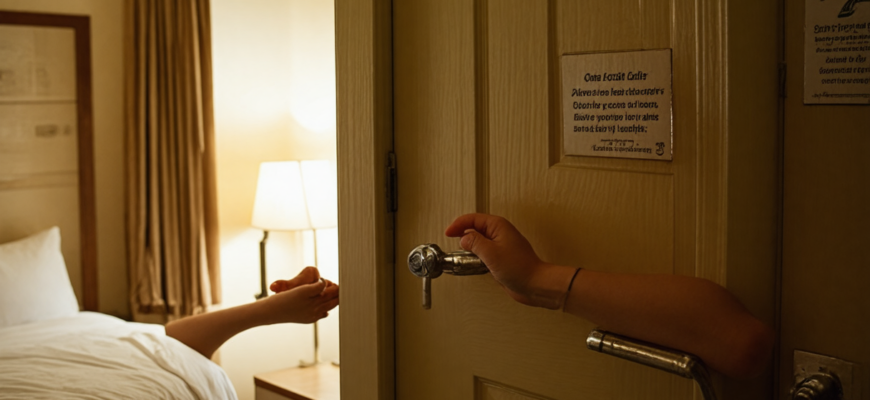
The safety latch, often known as the door bolt or security latch, is an additional lock mechanism installed on hotel room doors. It typically consists of a small movable bolt or bar that, when engaged, prevents the door from being opened even if the main lock is compromised or the door handle is manipulated.
Benefits of Using the Safety Latch
- Enhanced security: Adds an extra barrier against forced entry.
- Increased privacy: Allows guests to feel safe while resting or changing clothes.
- Emergency reassurance: Provides peace of mind during unexpected situations.
How to Properly Use the Safety Latch
To maximize safety, guests should:
- Close the door securely after entering.
- Engage the safety latch or bolt immediately, especially when alone or during sleep.
- Inform trusted companions or staff if frequent access is necessary, so they are aware of the security measures.
Additional Security Tips for Hotel Guests
1. Always Use the Deadbolt or Main Lock
If your room is equipped with a deadbolt, ensure it is engaged every time you enter or leave the room. Deadbolts provide a higher security level than standard latches and are vital for preventing forced entry.
2. Keep Key and Card Secure
Handle your room key or card with care, and do not share it with outsiders. Be cautious when handing over your key to hotel staff or others, and ensure you retrieve it when leaving.
3. Don’t Announce Your Presence
When answering the door for housekeeping or maintenance, confirm their identity before opening. Use a door viewer or peephole to verify visitors, and avoid opening the door to unknown individuals.
4. Use Additional Security Devices
Consider portable security devices such as door alarm sensors or portable door locks for added protection. These can be especially useful in budget accommodations where security measures may be limited.
5. Be Mindful of Your Belongings
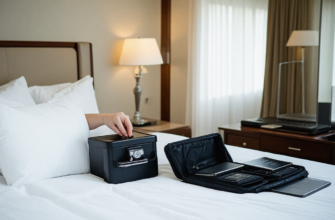
Use hotel safes for valuables, and avoid leaving expensive items unattended. Also, keep doors and windows closed and locked when leaving the room to prevent theft or intrusion.
Practical Guide: Locking Your Hotel Room Step-by-Step
| Step | Action | Additional Tips |
|---|---|---|
| 1 | Close the door securely behind you | Ensure it is fully shut before locking |
| 2 | Engage the main lock (handle lock or key lock) | Check that the lock is functioning properly |
| 3 | Apply the safety latch or bolt | Use it each time you are inside or sleeping |
| 4 | Verify security | Give the door a gentle push to confirm it is locked |
Special Considerations in Different Types of Hotels
Luxury Hotels
Typically have advanced security systems, including electronic locks, surveillance cameras, and security personnel. However, guests should still manually lock their doors and use safety features for added protection, especially when in transit to or from their rooms.
Budget Hotels and Hostels
While these may have simpler security measures, guests must be particularly vigilant. Use available locks diligently and consider supplementary portable security devices, especially when sharing accommodations with multiple guests.
Vacation Rentals and Apartments
In non-hotel accommodations, security can vary widely. Always lock all access points, including secondary doors and windows, and use portable security devices if necessary. Clear communication with property owners regarding security features is advisable.
Legal and Safety Regulations Regarding Hotel Security
Legal Responsibilities of Hotels
Hotels are legally obligated to provide a safe environment for their guests. This includes maintaining functional locks, security staff, surveillance, and emergency protocols. However, ultimate personal responsibility for safety rests with the guests.
Guests’ Responsibilities
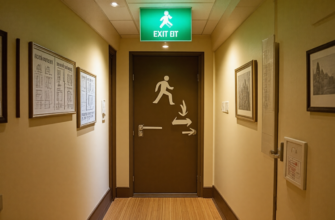
Guests should adhere to safety recommendations, such as locking doors, using safety features, and being vigilant about their belongings. Recognizing emergency exits and procedures is also essential.
Prioritizing Your Safety During Hotel Stays
Traveling can be an enriching experience, but safety must always be a priority. Consistently locking hotel room doors and using the safety latch when inside significantly enhances personal security, preventing unauthorized access and offering peace of mind. Coupled with other best practices, these simple yet effective measures form the foundation of a safe and enjoyable holiday. By remaining vigilant, respecting security protocols, and taking proactive steps, travelers can fully relax and enjoy their journey, confident in their safety.
Похожие записи:
 Maximizing Hotel Safety: Proper Use of Room Chains, Peepholes, and Security Features
  Essential Safety Tips: Using Small Locks to Secure Your Belongings During Hotel Stays
  Ensure Your Safety: Keeping Your Room Key and Access Codes Secure During Hotel Holidays
  Ultimate Guide: Using Hotel Room Safes to Safeguard Passports, Money, and Valuables During Your Travel
  Ultimate Guide to Securing Your Valuables During Hotel Holidays: Safe Storage Tips for Tourists
  Avoid Sharing Personal Travel Plans on Social Media in Real-Time: Essential Tips for Tourists on Hotel Holidays
  Ultimate Guide to Verifying Safety and Cleanliness Standards of Hotels Before Booking
  Essential Tips for Tourists: Keep Curtains and Blinds Closed for Privacy During Hotel Stays
  Essential Safety Tips for Tourists: Why You Should Avoid Walking Alone in Unfamiliar or Poorly Lit Areas at Night
  Stay Alert and Attentive in Crowded Places and Tourist Hotspots: Essential Safety Tips for Tourists
  Essential Tips for Tourists: Bringing an Extra Set of Keys or a Digital Copy of Your Hotel Key Card
  Stay Safe: The Essential Guide to Using Unattended Electrical Appliances in Hotel Rooms
  Ultimate Safety Tips for Exploring Nightlife and Entertainment Areas During Your Hotel Vacation
  Essential Guide: Familiarize Yourself with Emergency Exit Routes Upon Check-In for Safe Hotel Stays
  Essential Travel Safety: Keep a Photocopy of Your Passport and Important Documents Separate from the Originals
  Comprehensive Guide: How to Check Hotel COVID-19 Protocols and Follow Health Guidelines for a Safe Stay