
When embarking on a holiday or business trip, especially to unfamiliar destinations, safety should always be a top priority. One of the most effective, yet often overlooked, safety measures is informing a trusted family member or friend about your travel plans, including your hotel details and complete itinerary. This practice not only provides peace of mind but also ensures that help can be quickly mobilized in case of an emergency. In this comprehensive guide, explore all facets of notifying loved ones about your travel details and how this simple step can significantly enhance your safety and peace of mind during your travels.
- Why Is It Important to Share Your Travel Details?
- 1. Immediate Assistance in Emergencies
- 2. Enhancing Safety and Security
- 3. Simplifies Repatriation or Rescue Efforts
- 4. Peace of Mind for Family and Friends
- What Information Should You Share?
- 1. Hotel Details
- 2. Travel Itinerary
- 3. Emergency Contacts
- 4. Additional Information
- Effective Ways to Notify Trusted Contacts
- 1. Create a Detailed Travel Document
- 2. Use Trusted Messaging and Sharing Platforms
- 3. Share a Live Location
- 4. Pre-Arrange Check-ins and Updates
- 5. Use Specialized Safety Apps
- Best Practices for Sharing Your Travel and Hotel Details
- 1. Limit Sharing to Trusted Contacts Only
- 2. Use Secure Communication Methods
- 3. Keep a Backup of Your Itinerary
- 4. Notify Multiple Contacts
- 5. Update Your Contacts if Plans Change
- Legal and Privacy Considerations
- 1. Respect Privacy and Consent
- 2. Be Aware of Local Laws and Customs
- 3. Data Security and Confidentiality
- Sample Checklist for Travelers
- Additional Resources
Why Is It Important to Share Your Travel Details?
1. Immediate Assistance in Emergencies
If you encounter unforeseen issues such as illness, accidents, or safety threats, having someone aware of your whereabouts accelerates the process of receiving necessary help. They can contact local authorities, coordinate with your embassy, or arrange medical response without delay.
2. Enhancing Safety and Security
Sharing your location and plans with trusted contacts creates an extra layer of safety. It helps prevent scenarios where a traveler might become unreachable during critical moments, such as natural disasters, political unrest, or personal emergencies.
3. Simplifies Repatriation or Rescue Efforts
In case of evacuation or urgent search and rescue, being able to relay accurate information about your hotel and itinerary facilitates quicker assistance from local authorities or consulates.
4. Peace of Mind for Family and Friends
Notifying loved ones translates into peace of mind both for travelers and their supporters back home. Knowing someone is informed about your location and plans often reduces anxiety and allows you to focus on your trip.
What Information Should You Share?
1. Hotel Details
- Name of the hotel: including the full official name.
- Address: exact street address, city, country.
- Phone number: for direct contact or reservations.
- Booking confirmation number: especially useful in case of changes or emergencies.
- Check-in and check-out dates: to provide a clear timeframe.
- Hotel contact person or manager: if available.
2. Travel Itinerary
- Flight details: airlines, flight numbers, departure and arrival times, and airports.
- Train or bus tickets: schedules and stations.
- Planned activities or excursions: including dates, venues, and contact details if applicable.
- Transfers: details of any arranged transport between the airport, hotel, and sightseeing spots.
3. Emergency Contacts
- Local emergency services: police, ambulance, fire department.
- Embassy or consulate contact information.
- Trusted local contacts or guides.
- Family or friends check-in schedule: expected check-ins, updates, or calls at specified times.
4. Additional Information
- Travel insurance details: provider, policy number, emergency contact.
- Medical information: allergies, medications, specific health concerns.
- Language barriers or specific needs: translation assistance or needs for accommodations.
Effective Ways to Notify Trusted Contacts
1. Create a Detailed Travel Document
Compile all your essential travel information into a single document or digital note. This can be stored securely on your phone or cloud storage for easy access and sharing. Consider using tools such as Google Docs, Evernote, or specialized safety apps.
2. Use Trusted Messaging and Sharing Platforms
Apps like WhatsApp, Telegram, or Signal allow instant sharing of your location and itinerary. Many of these apps offer real-time location tracking, which can be invaluable during your trip.
3. Share a Live Location
Leverage the live location sharing feature on your smartphone. This allows designated contacts to see your real-time position, providing constant updates during excursions or transit.
| Platform | Features | Best For |
|---|---|---|
| Live location sharing, instant messaging | Everyday use, informal sharing | |
| Google Maps | Share real-time location with specific contacts | Navigation assistance in unfamiliar areas |
| Apple Find My | Real-time location sharing among Apple devices | iPhone users, Apple ecosystem |
| Telegram | Secure live location sharing, encrypted messaging | Privacy-conscious users |
4. Pre-Arrange Check-ins and Updates
Set specific times for regular check-ins with your trusted contacts through calls, texts, or messages. For example, every evening at 8 pm or after sightseeing excursions, to inform about your status.
5. Use Specialized Safety Apps
Several apps are designed specifically for travelers’ safety, offering features like emergency alerts, GPS tracking, and direct contact with services. Examples include:
- TripWhistle: Emergency plans and contacts.
- TravelSafe: SOS button and location sharing.
- bSafe: Voice alerts, live tracking, and virtual escort features.
Best Practices for Sharing Your Travel and Hotel Details
1. Limit Sharing to Trusted Contacts Only
Only share sensitive information with people you trust explicitly. Avoid broadcasting detailed itineraries on public forums or social media platforms where strangers can access your data.
2. Use Secure Communication Methods
Opt for encrypted messaging apps and avoid unprotected channels. Additionally, consider password-protecting your travel documents if stored electronically.
3. Keep a Backup of Your Itinerary
Maintain a secondary copy in a secure location—such as a PIN-protected file on your device or a trusted cloud-based service.
4. Notify Multiple Contacts
Provide your details to more than one person. In case your primary contact becomes unreachable, others can assist or alert authorities if necessary.
5. Update Your Contacts if Plans Change
If your itinerary or hotel arrangements change, promptly inform your trusted contacts. Staying current ensures they can assist effectively in emergencies.
Legal and Privacy Considerations
1. Respect Privacy and Consent
Always get consent from your contacts before sharing details, and respect their privacy and preferences regarding ongoing updates.
2. Be Aware of Local Laws and Customs
In some countries, sharing location or travel information might have legal implications or cultural sensitivities. Research local regulations before sharing details.
3. Data Security and Confidentiality
Ensure that your digital communications are secure, especially when sharing sensitive information like passport scans or insurance details. Use encrypted messaging apps and avoid unsecured public Wi-Fi networks.
Sample Checklist for Travelers
- Have a digital or printed copy of your hotel details with confirmation number and contact info.
- Share your full travel itinerary with trusted family or friends.
- Use location sharing features on your smartphone to permit real-time tracking.
- Set regular check-ins and update your contacts about any changes.
- Keep emergency contacts and local authorities’ numbers accessible and memorized.
- Download relevant safety apps and familiarize yourself with their features.
- Ensure your devices have sufficient battery life or carry portable chargers.
Sharing your hotel details and travel itinerary with trusted family or friends is a crucial safety practice for travelers in today’s unpredictable world. It acts as a safety net, providing support and assistance in unforeseen circumstances. By carefully selecting what information to share, using secure communication channels, and maintaining regular updates, travelers can significantly enhance their security while enjoying peace of mind. Remember, proactive communication is a simple yet powerful step towards making any trip safer and more enjoyable.
Additional Resources
- Official tourism safety guidelines
- Travel security tips and apps
- Embassy contact directory by country
Safe travels and enjoy your adventures, secure in the knowledge that your loved ones are aware of your plans and can assist if needed.
Похожие записи:
 Avoid Sharing Personal Travel Plans on Social Media in Real-Time: Essential Tips for Tourists on Hotel Holidays
  Essential Travel Tips: Safeguarding Your Travel Documents and Copies During Hotel Holidays
 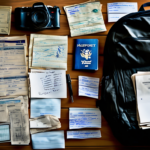 Essential Travel Safety: Keep a Photocopy of Your Passport and Important Documents Separate from the Originals
  Essential Tips for Tourists: Bringing an Extra Set of Keys or a Digital Copy of Your Hotel Key Card
  Unlocking Insider Tips: How Reading Recent Travel Forums Can Elevate Your Hotel Holidays
  Don’t Forget to Bring Your Favorite Travel Skincare Products: Essential Tips for Hotel Vacationers
  Essential Travel Tips: Bringing Plastic Bags for Wet Clothes and Dirty Shoes During Hotel Holidays
  Maximize Savings: How to Find Family and Group Discounts When Traveling with Others
  Essential Small First Aid Kits for Travelers: How to Be Prepared During Hotel Holidays
  Ultimate Guide to Securing Your Valuables During Hotel Holidays: Safe Storage Tips for Tourists
  Essential Tips for Tourists: Why Packing an Extra Phone Battery or Power Bank is Crucial for Long Outings
  Ultimate Guide: Using Hotel Room Safes to Safeguard Passports, Money, and Valuables During Your Travel
  Ultimate Guide to Using Local Dining Apps with User Reviews and Tips for Hotel Holidays
  Mastering Local Dining Customs and Etiquette: Your Essential Guide to Enhancing Your Travel Experience
  Ultimate Guide to Verifying Safety and Cleanliness Standards of Hotels Before Booking
  Stay Safe: The Essential Guide to Using Unattended Electrical Appliances in Hotel Rooms