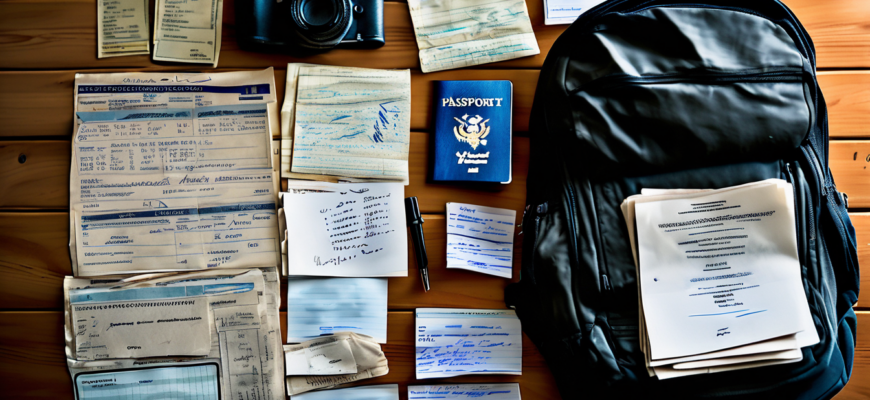
Traveling abroad offers a wealth of memorable experiences, cultural discoveries, and relaxation. However, it also presents certain risks that tourists must be prepared for, especially regarding the security of vital documents such as passports, visas, and other identification papers. One of the most effective yet often overlooked strategies for safeguarding these essential items is to keep photocopies or digital scans separate from the originals. This comprehensive guide explores why this practice is crucial, how to implement it effectively, and provides practical tips for travelers to ensure their trip remains safe and stress-free.
- Why Is It Important to Keep Copies of Important Documents?
- 1. Protect Against Theft and Loss
- 2. Facilitate the Replacement Process
- 3. Ensure Continuity of Travel Arrangements
- 4. Maintain Personal Security and Privacy
- How to Properly Prepare Copies and Digital Scans
- 1. Types of Copies to Make
- 2. What to Include in Copies
- 3. Storage and Security Tips
- Best Practices for Managing Your Documents While Traveling
- 1. Keep Originals Safe
- 2. Use Multiple Copies for Different Purposes
- 3. Verify the Legibility and Completeness of Copies
- 4. Update Copies Regularly
- Legal and Practical Aspects of Document Copies
- 1. Recognizing the Limits of Copies
- 2. Understanding Authentication and Apostilles
- 3. When to Use Copies
- Additional Tips to Ensure Travel Preparedness
- 1. Keep Emergency Contact List
- 2. Use Travel Apps for Document Storage
- 3. Regularly Review and Secure Your Digital Footprint
- Sample Checklist for Travelers
Why Is It Important to Keep Copies of Important Documents?
1. Protect Against Theft and Loss
One of the most common travel mishaps is the theft or loss of valuables, including passports and other travel documents. In many travel destinations, losing a passport can be a complicated process involving lengthy bureaucratic procedures, potentially ruining part of the trip. Having photocopies or digital scans allows travelers to prove their identity, expedite replacements, and minimize inconvenience.
2. Facilitate the Replacement Process
If your original documents are lost or stolen, having photocopies greatly simplifies replacing them. For instance, consular authorities often require proof of identity when issuing replacement passports. Photocopies serve as essential supporting documents, demonstrating your identity and nationality.
3. Ensure Continuity of Travel Arrangements
Important documents like visas, travel itineraries, and reservation confirmations are vital for smooth travel. Copies can help confirm your identity and credentials during interactions with local authorities, hotels, or airlines, ensuring your plans proceed without unnecessary delays.
4. Maintain Personal Security and Privacy
By storing copies separately, travelers can limit the exposure of sensitive data. For example, digital scans stored securely online or on encrypted devices reduce the risk that someone with access to your physical documents can misuse your information.
How to Properly Prepare Copies and Digital Scans
1. Types of Copies to Make
| Type of Copy | Description | Best Format/Method |
|---|---|---|
| Photocopy (Paper Copy) | Duplicate of the physical document | High-quality photocopy, scanned at a resolution of at least 300 dpi |
| Digital Scan | Electronic image of the document, stored on devices | PDF or JPEG format; encrypted or password-protected |
| Photograph(s) | Clear photos of documents taken with a camera or smartphone | Well-lit, in focus, capture entire document in frame |
2. What to Include in Copies
- Passport personal data page (photo, name, passport number, expiry date)
- Visa pages (if applicable)
- Travel insurance documents
- Flight tickets or boarding passes
- Hotel reservation confirmations
- Emergency contact details
- Additional identification documents (driver’s license, ID cards)
3. Storage and Security Tips
- Physical copies: Store in a separate, secure location from the originals, such as a hotel safe or a hidden compartment in luggage. Avoid carrying all copies together to prevent losing everything if theft occurs.
- Digital copies: Save in encrypted files or password-protected cloud services, such as reputable cloud storage providers (Google Drive, Dropbox, etc.). Always keep backup copies on a separate device, like a secure external hard drive or a USB stick, stored separately from your main belongings.
- Online storage: Use secure, private accounts and avoid public Wi-Fi when accessing sensitive documents. Enable two-factor authentication for added security.
Best Practices for Managing Your Documents While Traveling
1. Keep Originals Safe
Always carry only essential originals during daily excursions—preferably in a hotel safe or a secure pocket—while leaving the majority of valuable documents in a safe place. This reduces the risk of theft or loss during sightseeing activities.
2. Use Multiple Copies for Different Purposes
Create a variety of copies—some for your personal use, some to hand over to trusted persons if needed, and some stored online. This multi-layered approach ensures that you always have access to necessary information, regardless of circumstances.
3. Verify the Legibility and Completeness of Copies
Before traveling, check that all copies are clear, legible, and include all essential details. Errors or unclear images could cause delays or complications during document verification processes abroad.
4. Update Copies Regularly
If your documents are renewed or updated, ensure all copies reflect the latest information. Outdated copies might not serve their purpose in emergencies.
Legal and Practical Aspects of Document Copies
1. Recognizing the Limits of Copies
While photocopies and digital scans are invaluable, they are not universally accepted as valid travel documents. For legal and immigration procedures, original documents are typically required. Copies primarily function as supplementary proof and aid in replacement processes.
2. Understanding Authentication and Apostilles
In some countries, documents may need to be notarized, authenticated, or apostilled for official recognition. Ensuring your copies are properly certified can facilitate smoother processing if replacements are needed abroad.
3. When to Use Copies
- During border crossings or immigration checks
- When registering at hotels or with local authorities
- When applying for visas or extensions
- In case of emergency requiring proof of identity
Additional Tips to Ensure Travel Preparedness
1. Keep Emergency Contact List
Besides copies of documents, prepare a list of emergency contacts, including the embassy or consulate, local authorities, and family members. Store this list securely and separately from your documents.
2. Use Travel Apps for Document Storage
Leverage reputable travel apps or secure digital wallets to store digital copies of important documents. Many of these apps offer encryption and password protection, adding an extra layer of security.
3. Regularly Review and Secure Your Digital Footprint
Maintain updated security settings for all online accounts containing sensitive data. Avoid saving all documents on unsecured or public cloud services.
Sample Checklist for Travelers
- Before Departure:
- – Make photocopies of all essential documents
- – Scan documents and store digitally in secure locations
- – Pack originals safely in secure compartments
- During the Trip:
- – Keep original documents in the hotel safe when not needed
- – Carry only necessary originals during outings
- – Use copies for verification when possible
- In Case of Emergency:
- – Use copies to assist with replacements or identity verification
- – Contact your embassy or consulate if documents are lost or stolen
Maintaining copies and digital scans of passports and important documents is a fundamental aspect of travel safety and preparedness. By adopting best practices—such as creating multiple formats of documents, storing copies securely, and knowing when and how to use them—tourists can significantly reduce potential inconveniences caused by theft, loss, or bureaucratic hurdles. This proactive approach empowers travelers to enjoy their journey with confidence, knowing they are equipped to handle unexpected situations efficiently. Proper document management is not just about convenience; it’s about safeguarding personal identity and ensuring peace of mind throughout every adventure abroad.
Effective planning and organizational discipline in handling important documents will ensure that travel remains a delightful experience rather than a stressful ordeal. As the saying goes, an ounce of prevention is worth a pound of cure, and in the realm of travel documentation, this couldn’t be more accurate.
Похожие записи:
 Essential Travel Tips: Safeguarding Your Travel Documents and Copies During Hotel Holidays
  Avoid Sharing Personal Travel Plans on Social Media in Real-Time: Essential Tips for Tourists on Hotel Holidays
  Essential Tips for Tourists: Bringing an Extra Set of Keys or a Digital Copy of Your Hotel Key Card
  Ultimate Guide to Securing Your Valuables During Hotel Holidays: Safe Storage Tips for Tourists
  Essential Travel Tips: Bringing Plastic Bags for Wet Clothes and Dirty Shoes During Hotel Holidays
  Essential Small First Aid Kits for Travelers: How to Be Prepared During Hotel Holidays
  Don’t Forget to Bring Your Favorite Travel Skincare Products: Essential Tips for Hotel Vacationers
  Mastering Local Dining Customs and Etiquette: Your Essential Guide to Enhancing Your Travel Experience
  Essential Tips for Tourists: Why Packing an Extra Phone Battery or Power Bank is Crucial for Long Outings
  Enhance Your Travel Experience: Always Carry a Travel Pillow for Superior Comfort During Transit
  Essential Guide: Why You Should Include a Waterproof Phone Case or Dry Bag for Water Activities During Hotel Holidays
  Discover Unique Alternatives to Hotels: Camping and Holiday Parks for Memorable Travel Experiences
  Smart Packing: Travel-Sized Laundry Detergent for Quick and Easy Hotel Laundry
  Unlocking Insider Tips: How Reading Recent Travel Forums Can Elevate Your Hotel Holidays
  Ultimate Guide to Packing an Adapter for International Travel: Ensure Your Devices Stay Powered
  Unlock Great Savings: How Travel Discount Cards and Passes Can Reduce Hotel Costs During Your Vacation