Travelers seeking memorable culinary adventures often prioritize dining experiences that go beyond standard menus. One of the most exciting ways to indulge in local gastronomy is by exploring whether restaurants offer tasting menus. These curated multi-course offerings provide diners with a comprehensive, immersive tasting journey that showcases a chef’s culinary artistry and the region’s finest ingredients. For tourists planning hotel holidays, understanding how to identify restaurants with tasting menus can significantly enhance their overall culinary experience. This article provides a detailed guide on how to check for tasting menus, why they matter, and how to make the most of these gastronomic options during travels.
- Understanding Tasting Menus: An Integral Part of Culinary Tourism
- What Is a Tasting Menu?
- Benefits of Choosing a Tasting Menu
- Why Choose Tasting Menus When Traveling?
- How to Find Restaurants Offering Tasting Menus
- Research Online Before Your Trip
- Use Specific Search Terms
- Consult Local Tourism and Hospitality Resources
- Pay Attention to Fine Dining and Gastronomic Events
- How to Confirm if a Restaurant Offers a Tasting Menu
- Visit the Official Website
- Call or Email the Restaurant
- Review Menus on Reservation Platforms
- Check Recent Reviews and Photos
- Making the Most of a Tasting Menu During Your Hotel Holiday
- Plan Ahead
- Engage with the Chef or Sommelier
- Mind Your Pace
- Take Photos and Notes
- Sample Tasting Menu Structure and Typical Courses
- Common Challenges and How to Overcome Them
- Language Barriers
- Dietary Restrictions and Food Allergies
- Cost Considerations
- Elevate Travel Culinary Experiences with Tasting Menus
- Additional Tips for Tourists
Understanding Tasting Menus: An Integral Part of Culinary Tourism
What Is a Tasting Menu?
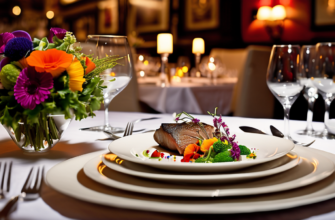
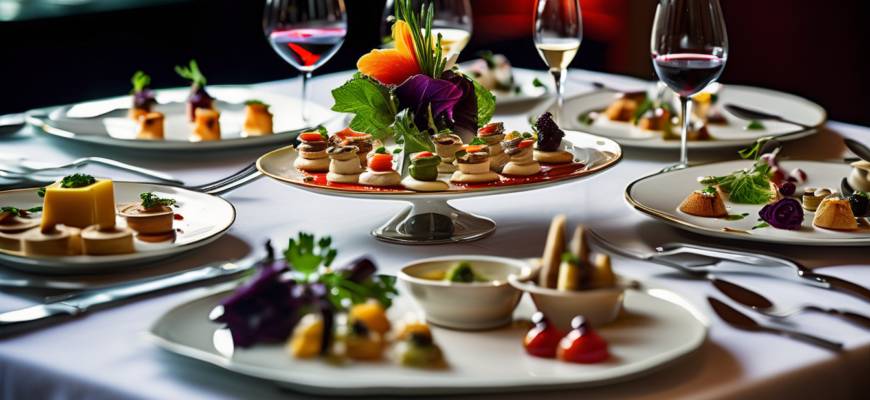
A tasting menu, also known as a degustation, is a pre-arranged series of dishes served in small portions, designed to present a chef’s signature skills and signature flavors. Unlike à la carte options, tasting menus often include varied courses that reflect the restaurant’s culinary concept, locale, or seasonal ingredients. These menus typically encompass between 4 to 12 courses, sometimes more, and provide a structured dining experience that aims to surprise and delight diners with a curated progression of tastes.
Benefits of Choosing a Tasting Menu
- Comprehensive Experience: Offers a full spectrum of the chef’s culinary vision.
- Discovery of Flavors: Introduces diners to new ingredients, techniques, or regional specialties.
- Enhanced Dining Atmosphere: Often served in fine dining settings, elevating the overall experience.
- Chef’s Creativity: Showcases innovative cooking styles and plating artistry.
Why Choose Tasting Menus When Traveling?
When traveling, especially during hotel holidays, trying a tasting menu allows tourists to engage deeply with local cuisine. It minimizes the guesswork of choosing individual dishes and instead offers a curated taste of the restaurant’s culinary ethos. This not only enriches the gastronomic journey but also provides valuable insights into regional ingredients, traditional techniques, and contemporary culinary trends.
How to Find Restaurants Offering Tasting Menus
Research Online Before Your Trip
One of the most effective ways to identify restaurants with tasting menus is through online research. Popular platforms and resources include:
- Official Restaurant Websites: Most fine dining establishments prominently display their menu options, including tasting menus.
- Review Aggregators: Websites like TripAdvisor, Yelp, and Google Maps often feature detailed reviews, photos, and menu insights that mention tasting options.
- Food Blogs and Travel Guides: Many culinary bloggers and travel publications review restaurants, highlighting whether they offer degustation experiences.
- Reservation Platforms: Platforms like OpenTable or Resy frequently list menu options and allow filtering for special menus.
Use Specific Search Terms
Enhance your online searches with targeted keywords such as:
- “Restaurant with tasting menu in [City/Region]”
- “Degustation menu in [City]”
- “Fine dining restaurants offering tasting menus”
- “Chef’s tasting menu in [City]”
Consult Local Tourism and Hospitality Resources
Tourist information centers, hotel concierges, and local culinary associations often maintain directories or recommendations for restaurants that serve tasting menus. When booking accommodation, ask the hotel staff for trusted dining suggestions that include degustation options.
Pay Attention to Fine Dining and Gastronomic Events
Festivals, culinary weeks, and special events often feature restaurants offering exclusive tasting menus. Attending these events can be a wonderful opportunity to experience multiple establishments known for their culinary artistry.
How to Confirm if a Restaurant Offers a Tasting Menu
Visit the Official Website
The most straightforward step is to check the restaurant’s official website. Culinary establishments generally dedicate a section to their menu offerings, including details about degustation options, seasonal themes, or chef’s specials.
Call or Email the Restaurant
Direct communication can provide the most accurate and up-to-date information. When contacting, ask specific questions such as:
- Does your menu include a tasting/degustation option?
- Are there specific days or times when tasting menus are available?
- Are dietary restrictions accommodated within the tasting menu?
Review Menus on Reservation Platforms
Many booking platforms include menu information; if not specified, you can often contact the restaurant through the platform to confirm availability.
Check Recent Reviews and Photos
Guests often post photos and comments about their dining experience. Look for mentions of tasting menus or degustation courses, along with photos showcasing the courses served.
Making the Most of a Tasting Menu During Your Hotel Holiday
Plan Ahead
Reserve tasting menus well in advance, especially in popular or high-end restaurants, to secure your spot and avoid disappointment. Early reservations also allow the kitchen to prepare for any specific dietary needs.
Engage with the Chef or Sommelier
Ask questions about each course, ingredients, and cooking techniques. Many restaurants offer wine pairing options; consult the sommelier to enhance the tasting experience with suitable wine selections.
Mind Your Pace
Enjoy each course at a relaxed pace, savoring the flavors and presentation. Tasting menus are meant for an immersive, unhurried experience.
Take Photos and Notes
Document your culinary journey. Photos help recall favorite dishes, while notes can assist in recommending the restaurant to fellow travelers.
Sample Tasting Menu Structure and Typical Courses
While each restaurant’s tasting menu varies, a typical structure may include:p>
| Course Number | Typical Dish | Description |
|---|---|---|
| 1 | Amuse-bouche | A small bite to stimulate the palate |
| 2 | Seafood Appetizer | Fresh oysters, shrimp, or cured fish |
| 3 | Interlude Soup or Sorbet | Light soup or palate cleanser |
| 4 | Main Course | Signature meat, fish, or vegetarian dish |
| 5 | Cheese Plate | Variety of local or imported cheeses |
| 6 | Dessert | Sweets, pastries, or fruit-based desserts |
| 7 | Petit fours or Coffee | Final touch to the dining experience |
Note: The exact courses may vary depending on the restaurant’s concept, culinary style, or seasonality.
Common Challenges and How to Overcome Them
Language Barriers
In regions where language differences exist, prepare by learning basic culinary terms in the local language or use translation apps to communicate your preferences and confirm menu details.
Dietary Restrictions and Food Allergies
Always inform the restaurant beforehand of any dietary restrictions. Most establishments accommodating special diets can prepare customized tasting menus upon request, but early notification ensures proper arrangements.
Cost Considerations
Tasting menus tend to be more expensive than standard meals. Budget accordingly, and consider dining at establishments offering sampling options that suit your financial plans. Some restaurants also offer lunch degustation menus at a lower price point.
Elevate Travel Culinary Experiences with Tasting Menus
For tourists exploring new destinations during hotel holidays, discovering whether local restaurants serve tasting or degustation menus is a valuable step toward a richer, more memorable dining experience. By conducting thorough research, communicating directly with restaurants, and planning ahead, travelers can indulge in curated culinary journeys that showcase the best of regional cuisine, innovative techniques, and gastronomic artistry. Embracing tasting menus transforms ordinary meals into extraordinary cultural and sensory adventures, making every trip not just a visual or historical exploration but also a flavorful voyage.
Additional Tips for Tourists
- Explore reviews and photos before choosing a restaurant.
- Book reservations ahead of time, especially for popular tasting menus.
- Ask about seasonal or special occasions menus to experience the culinary peak of the region.
- Balance tasting menus with local street food or casual eateries for a well-rounded culinary holiday.
Ultimately, whether a restaurant offers a tasting menu or not, the goal is to immerse oneself in the local culinary culture and enjoy the journey of flavors that each destination has to offer. Happy tasting!
Похожие записи:
 Discover the Best Culinary Experiences: How to Find Restaurants with Chef’s Specials and Daily Recommendations
  Discovering Regional Flavors: How to Find Restaurants That Celebrate Local Ingredients and Culinary Traditions
  Experience Local Flavors: How to Enhance Your Hotel Holiday by Joining Food Tasting Events and Festivals
  Unlocking Culinary Secrets: How to Ask Hotel Staff for Their Favorite Local Restaurants and Hidden Gems
  Ultimate Guide to Hotel Concierge Services: Curated Dining Recommendations for a Perfect Vacation
  Discover the World’s Best Food-Themed Walking Tours: Combining Sightseeing with Culinary Tastings
  Ultimate Guide to Using Local Dining Apps with User Reviews and Tips for Hotel Holidays
  Discover Authentic Flavors: Why Choosing Local Specialties Trumps International Chains on Hotel Holidays
  Mastering Local Dining Customs and Etiquette: Your Essential Guide to Enhancing Your Travel Experience
  Ultimate Guide to Using Map Apps to Discover Nearby Eateries Based on Traveler Reviews
  Ultimate Guide: Discover the Best Times to Visit Popular Eateries and Avoid Long Waits
  Discover the Best Breakfast Spots: Where Locals Start Their Day Right
  Discover Local Markets: Your Guide to Authentic and Affordable Meals During Hotel Holidays
  Discover Local Gems: Utilizing Hotel Guides and Brochures for an Enriching Vacation
  Enhance Your Travel Experience: Always Carry a Travel Pillow for Superior Comfort During Transit
  Unlocking Insider Tips: How Reading Recent Travel Forums Can Elevate Your Hotel Holidays