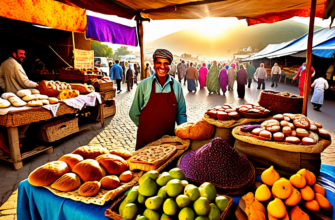
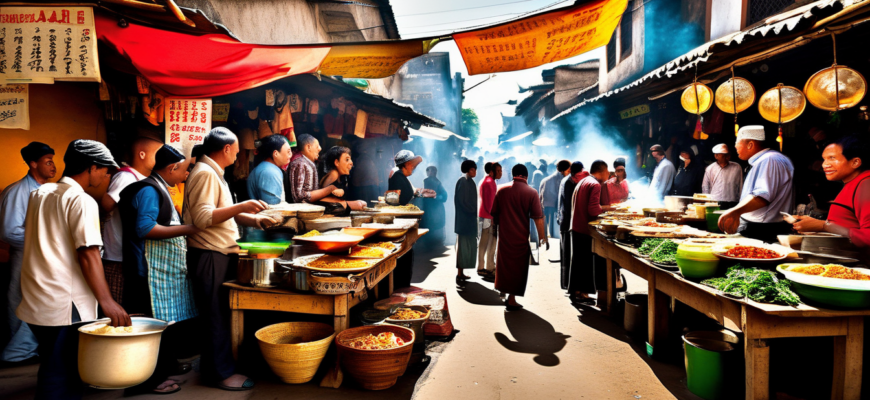
When exploring new cities and cultures, enjoying the local cuisine is often one of the most memorable parts of the journey. However, with countless restaurants and cafes to choose from, how can travelers identify truly authentic and high-quality dining spots? One reliable strategy is to look for establishments bustling with locals. The presence of locals not only indicates popular interest but also often correlates with food quality, authenticity, and genuine cultural experience.
- Understanding the Value of Local-Friendly Eateries
- Why do local crowds matter?
- The correlation between crowds and food quality
- How to Spot a Popular Local Eatery
- 1. Observe the patronage
- 2. Check for authenticity in dishes
- 3. Follow local recommendations
- 4. Use online reviews with a grain of salt
- 5. Visit during off-peak hours
- Understanding Local Dining Cultures
- 1. Regional cuisine characteristics
- 2. The importance of informal eateries
- 3. Cultural dining habits
- Examples of Crowded & Highly Rated Local Eateries in Different Regions
- Asia
- Europe
- America
- Benefits of Eating Where Locals Dine
- 1. Authentic culinary experience
- 2. Better value for money
- 3. Support for local economy and community
- Additional Tips for Tourists
- 1. Learn some basic local language phrases
- 2. Use social media and local blogs
- 3. Explore beyond tourist zones
- 4. Be open to trying new dishes
- Summary: How to Maximize the Culinary Aspect of Your Trip
- Final Thoughts
Understanding the Value of Local-Friendly Eateries
Why do local crowds matter?
Locals tend to have a refined sense of what constitutes good, authentic food within their community. They frequent certain eateries because they trust the quality, freshness, and authenticity of the dishes served. Such establishments often operate on reputation rather than mere advertising, offering dishes that are true to the region’s culinary traditions. When a restaurant or cafe attracts many locals, it’s usually because it has earned their trust over time.
The correlation between crowds and food quality
| Factor | Implication |
|---|---|
| High local patronage | Indicates popular, trusted, and authentic food |
| Low or tourist-only crowds | Possible tourist trap or low-quality service |
| Consistent long queues | High demand, often reflecting praise for taste and authenticity |
| Reviews and recommendations from locals | Strong indicator of genuine culinary experience |
How to Spot a Popular Local Eatery
1. Observe the patronage
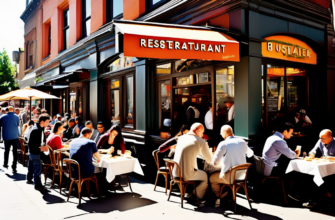
The easiest initial indicator is observing the number of customers. Crowds of locals sitting patiently, waiting, or comfortably enjoying their meals suggest that the place is worth visiting. Keep an eye out for social cues, such as locals engaging in conversations or sharing dishes – signs of a lively, trusted environment.
2. Check for authenticity in dishes
When selecting eateries, especially in foreign countries, look for menus featuring traditional dishes prepared with local ingredients. Authentic eateries often serve regional specialties, and the staff may speak the local language fluently, adding to the genuine experience.
3. Follow local recommendations
Listen to locals’ advice—whether through verbal recommendations, signs, or community boards. Often, the most crowded spots will be highly recommended by residents, and their enthusiasm is a good sign of quality.
4. Use online reviews with a grain of salt
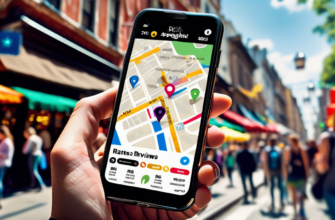
While online platforms like TripAdvisor, Google Maps, and social media provide useful insights, prioritize reviews that mention the atmosphere and authenticity, especially those from local residents or frequent visitors.
5. Visit during off-peak hours
Crowds tend to gather during lunch and dinner times. Visiting during off-peak hours can offer a more genuine experience of the restaurant’s atmosphere and food quality, as well as avoid tourist crowds.
Understanding Local Dining Cultures
1. Regional cuisine characteristics
Different regions pride themselves on particular ingredients and cooking techniques. Recognizing authentic dishes and comparing them to what tourists typically find can help identify the best dining spots. For example, in Italy, trattorias frequented by locals serve simple, fresh pasta, whereas touristy restaurants might focus on heavily branded or touristic menus.
2. The importance of informal eateries
Many of the best local eateries are informal, often family-run establishments with limited seating and signage in the local language. These places prioritize quality and tradition over decor or marketing.
3. Cultural dining habits
Understanding local dining customs—such as the time of day for meals, typical portion sizes, and etiquette—can also guide tourists to find authentic, highly regarded eateries enjoyed by residents.
Examples of Crowded & Highly Rated Local Eateries in Different Regions
Asia
- Street vendors in Bangkok, Thailand: Known for bustling night markets with locals savoring spicy, flavorful dishes.
- Ramen shops in Tokyo, Japan: Small, crowded establishments filled with residents enjoying freshly made noodles.
Europe
- Tabernas in Rome, Italy: Small trattorias with long queues and menus filled with regional specialties.
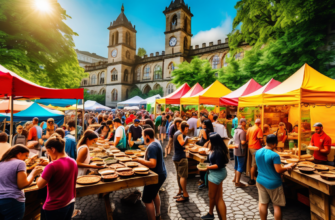
- Market stalls in Barcelona, Spain: Replete with locals selecting fresh produce, seafood, and tapas.
America
- South American grills in Buenos Aires, Argentina: Popular with locals due to their authentic parrillas (barbecue houses).
- Food trucks in New York City, USA: Often serve innovative cuisine and attract a loyal local following.
Benefits of Eating Where Locals Dine
1. Authentic culinary experience
Local eateries often prepare dishes rooted in tradition, providing a genuine taste of the culture. This authenticity is often missing in tourist-oriented restaurants, which may adapt recipes for international palates.
2. Better value for money
Since locals visit these places regularly, prices are usually reasonable, with portion sizes satisfying and ingredients fresh, ensuring good value for the money spent.
3. Support for local economy and community
Eating at local establishments contributes directly to small businesses and sustains community traditions, a meaningful aspect of responsible tourism.
Additional Tips for Tourists
1. Learn some basic local language phrases
Communicating in the native language, even with simple greetings and dish names, can build rapport with staff and help identify popular local spots.
2. Use social media and local blogs
Follow local food bloggers, Instagram accounts, and community pages to find hidden gems and eateries favored by residents.
3. Explore beyond tourist zones
Venturing a few streets away from major tourist attractions often leads to discovering more authentic and less commercialized eating experiences.
4. Be open to trying new dishes
Order regional specialties and be receptive to recommendations from locals. This enriches the cultural experience and often leads to discovering new favorites.
Summary: How to Maximize the Culinary Aspect of Your Trip
- Identify busy eateries with local patrons
- Look for authentic regional dishes served in traditional settings
- Follow local advice and reviews emphasizing the dining atmosphere
- Explore neighborhoods away from tourist hubs
- Engage with locals and learn about their culinary customs
Final Thoughts
Choosing eateries crowded with locals is a simple yet powerful strategy to enjoy genuine, high-quality culinary experiences during travel. These establishments serve as gateways to understanding regional culture, traditions, and flavors that define a place’s identity. By observing local patterns, consulting recommendations, and embracing local dining customs, tourists can elevate their trips from mere sightseeing to immersive cultural journeys filled with delicious memories.
Похожие записи:
 Discover Authentic Flavors: Why Choosing Local Specialties Trumps International Chains on Hotel Holidays
  Discovering Regional Flavors: How to Find Restaurants That Celebrate Local Ingredients and Culinary Traditions
  Unlocking Culinary Secrets: How to Ask Hotel Staff for Their Favorite Local Restaurants and Hidden Gems
  Ultimate Guide: Discover the Best Times to Visit Popular Eateries and Avoid Long Waits
  Ultimate Guide to Using Local Dining Apps with User Reviews and Tips for Hotel Holidays
  Ultimate Guide to Using Map Apps to Discover Nearby Eateries Based on Traveler Reviews
  Discover Local Markets: Your Guide to Authentic and Affordable Meals During Hotel Holidays
  Experience Local Flavors: How to Enhance Your Hotel Holiday by Joining Food Tasting Events and Festivals
  Discover the Best Breakfast Spots: Where Locals Start Their Day Right
  Discover the Best Culinary Experiences: How to Find Restaurants with Chef’s Specials and Daily Recommendations
  Ultimate Guide to Hotel Concierge Services: Curated Dining Recommendations for a Perfect Vacation
  Discover Local Gems: Utilizing Hotel Guides and Brochures for an Enriching Vacation
  Mastering Local Dining Customs and Etiquette: Your Essential Guide to Enhancing Your Travel Experience
  Discover the World’s Best Food-Themed Walking Tours: Combining Sightseeing with Culinary Tastings
  How to Check if Restaurants Offer Tasting Menus for a Unique Culinary Experience
  Discover Hidden Culinary Gems: Traditional Beverages and Desserts for a Complete Hotel Holiday Experience