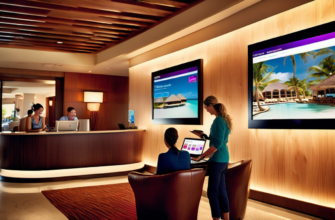
When planning a vacation or business trip, accommodations often represent a significant portion of the budget. While online booking platforms and travel agencies offer convenient options, savvy travelers know that negotiating directly with hotels can lead to substantial savings and added benefits. In this comprehensive guide, learn the art of negotiating with hotels to unlock the best rates and extras, ensuring a more affordable and enjoyable stay. Whether you’re a frequent traveler or planning a once-in-a-lifetime trip, mastering direct negotiations can transform your hotel experiences.
- Why Negotiate Directly with Hotels?
- Preparation: The Key to Successful Negotiations
- Research the Hotel and the Market
- Determine Your Budget and Priorities
- Gather Competitive Offers
- Effective Strategies for Negotiating with Hotels
- 1. Contact the Hotel Directly
- 2. Time Your Negotiation Wisely
- 3. Be Polite, Professional, and Respectful
- 4. Present Clear and Reasonable Requests
- 5. Leverage Competition and Availability
- 6. Be Flexible and Open to Offers
- 7. Use Loyalty or Membership Programs
- 8. Ask for Upgrades or Extras, Not Just Discounts
- Sample Scripts for Negotiation
- Lower Rate Request
- Requesting Extras
- Understanding the Mathematical Side of Negotiations
- Expected Discount Calculation
- Value of Upgrades and Extras
- Tips for Maintaining Long-Term Relationships
- Common Pitfalls to Avoid When Negotiating
- Make Negotiation a Regular Part of Your Travel Planning
Why Negotiate Directly with Hotels?
Typically, hotels prefer dealing directly with guests rather than third-party booking sites because it allows them to save on commissions and retain more control. Negotiating directly can provide both parties an opportunity for a mutually beneficial agreement. Here are some compelling reasons to consider direct negotiations:
- Lower Rates: Hotels may offer discounts or special rates when approached directly.
- Complimentary Extras: Possibility of securing free upgrades, meal vouchers, or other amenities.
- Customized Packages: Tailoring your stay to suit specific needs or preferences.
- Better Availability of Promotions: Access to exclusive deals not advertised online.
Preparation: The Key to Successful Negotiations
Before engaging with hotel staff, thorough preparation is essential. Well-informed negotiations are more likely to result in favorable outcomes. Here are vital steps to prepare:
Research the Hotel and the Market
- Check the hotel’s official website and third-party review platforms for pricing trends.
- Identify shoulder seasons, off-peak periods, or special events where discounts might be more accessible.
- Understand the hotel’s occupancy levels; low occupancy increases the likelihood of discounts.
Determine Your Budget and Priorities
- Define the maximum rate you are willing to pay.
- Decide which extras are most valuable to you — free breakfast, late checkout, room upgrade, etc.
- Be clear on your must-haves versus nice-to-haves.
Gather Competitive Offers
If you have quotes from other hotels or booking platforms, use them as leverage during negotiations. Showing that you are considering alternatives motivates the hotel to offer better terms to secure your booking.
Effective Strategies for Negotiating with Hotels
Negotiating successfully requires tact, timing, and clarity. Below are proven strategies that can help expand your chances of obtaining better rates or extras:
1. Contact the Hotel Directly
Always initiate contact with the hotel’s reservations or front desk team via phone or email rather than through third-party booking sites. Direct communication fosters personal rapport and trust, which can facilitate negotiations.
2. Time Your Negotiation Wisely
- Approach during low occupancy periods or off-season.
- Book last minute when the hotel is eager to fill rooms.
- Reach out well in advance for high-demand periods to secure better deals.
3. Be Polite, Professional, and Respectful
Your approach should be courteous and diplomatic. Establishing a friendly tone encourages openness and cooperation from hotel staff.
4. Present Clear and Reasonable Requests
Specify what you are seeking—be it a discounted rate or complimentary upgrades—and explain your reasons politely. Providing context, such as celebrating a special occasion or being a loyal guest, can be persuasive.
5. Leverage Competition and Availability
Inform the hotel of competing offers or discounts you’ve received elsewhere to motivate them to match or beat those deals.
6. Be Flexible and Open to Offers
- Consider adjusting your dates or length of stay to maximize discounts.
- Show willingness to accept alternative room types or packages.
7. Use Loyalty or Membership Programs
If you are a member of the hotel’s loyalty program or affiliated with a recognized organization, mention this. Many hotels offer exclusive rates or perks to loyal members.
8. Ask for Upgrades or Extras, Not Just Discounts
Sometimes, hotels prefer to offer upgrades or added amenities over reducing rates. Requests such as free breakfast, spa credits, or late checkout are often easier to fulfill.
Sample Scripts for Negotiation
Lower Rate Request
“Hello, I am very interested in staying at your hotel. I’ve looked at some prices, and I was wondering if there’s a possibility for a better rate, especially considering my plans to stay for X nights. Are there any promotions or discounts available?”
Requesting Extras
“I am celebrating a special occasion during my stay. Would it be possible to receive a complimentary upgrade or some extra amenities like breakfast or late check-out? I believe my stay will be enjoyable for both of us.”
Understanding the Mathematical Side of Negotiations
To strengthen your negotiation stance, consider some useful formulas and calculations. Here are examples:
Expected Discount Calculation
| Original Price | Negotiated Discount (%) | Final Price |
|---|---|---|
| ₽10,000 | 10% | ₽9,000 |
| ₽10,000 | 20% | ₽8,000 |
Formula:
Final Price = Original Price × (1 - Discount / 100)
For example, if the hotel agrees to a 15% discount on a room costing ₽12,000:
₽12,000 × (1 - 15/100) = ₽12,000 × 0.85 = ₽10,200
Value of Upgrades and Extras
Sometimes, hotel upgrades or extras add tangible value to your stay. Quantify this to assess if the deal is worthwhile. For example:
- Free breakfast = ₽1,500 per day
- Late checkout (2 hours) = ₽1,000
- Room upgrade (suite) = ₽3,500
If a hotel offers a room upgrade and complimentary breakfast, compare the combined value to the discount received to decide if the offer is beneficial.
Tips for Maintaining Long-Term Relationships
Establishing rapport with hotel staff can lead to better deals in future stays. Maintain good communication, compliment services when appropriate, and consider loyalty memberships. Some hotels offer negotiations for returning guests or referrals, turning a single negotiation into a long-term benefit.
Common Pitfalls to Avoid When Negotiating
- Being Overly Aggressive: Can offend staff and jeopardize negotiations.
- Unrealistic Demands: Asking for too much or for discounts that are unlikely diminishes credibility.
- Ignoring Policies: Some hotels have strict cancellation or rate policies; understand and respect them.
- Failing to Get Confirmation in Writing: Always ask for written confirmation of any negotiated rates or perks.
Make Negotiation a Regular Part of Your Travel Planning
Negotiating directly with hotels is a powerful strategy to reduce travel expenses and enhance your stay with complimentary extras. Success depends on preparation, respectful communication, timing, and leveraging available information. By applying these strategies, travelers can enjoy more comfortable accommodations at a lower cost, turning hotel stays into memorable and rewarding experiences.
Remember, hotels value direct bookings and loyal customers. Don’t hesitate to approach them politely and confidently—your efforts can pay off big time.
Похожие записи:
 Book Your Hotel Early to Secure the Best Rates and Availability: Expert Tips for Smart Travelers
  Maximize Your Savings: How to Take Advantage of Discounts for Longer Stays at Hotels
  Maximize Savings: Choose Non-Refundable Bookings for Lower Rates and Plan Your Trip Carefully
  Maximize Savings: How to Find Family and Group Discounts When Traveling with Others
  How to Check if Your Employer or Associations Offer Exclusive Hotel Discounts for Your Perfect Holiday
  Unlock Great Savings: How Travel Discount Cards and Passes Can Reduce Hotel Costs During Your Vacation
  Maximizing Savings on Hotel Holidays: How to Use Student, Senior, and Other Special Discounts
  Compare Prices Across Multiple Booking Sites Before Finalizing Your Reservation: Ultimate Guide for Savvy Travelers
  Unlock Unbeatable Savings: How to Book Last-Minute Hotel Deals for Major Discounts
  Maximize Your Hotel Savings: Unlocking Rewards and Cashback Offers on Credit Cards
  How to Effectively Book Hotel Rooms with Free Cancellation Options to Adapt to Changing Plans
  Avoid Booking Hotels with Hidden Fees: A Comprehensive Guide for Smart Travelers
  Maximize Your Hotel Bookings: How Cashback Portals Help Tourists Earn Rewards on Hotel Stays
  Maximize Your Vacation Savings: How to Find Package Deals with Flights and Accommodation
  Maximize Your Hotel Savings: How to Use Price Comparison Apps to Find the Best Deals Quickly
  Mastering Local Transportation Cards: Your Ultimate Guide to Stress-Free Travel