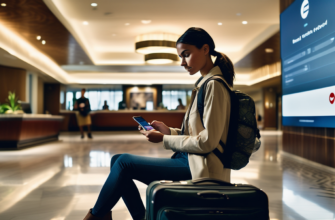
Traveling is one of the most enriching experiences a person can undertake. Exploring new countries, cultures, and landscapes broadens horizons and creates unforgettable memories. However, despite the thrill of adventure, travelers must remain vigilant, especially when it comes to personal safety. One of the most vital skills a tourist can develop is trusting their instincts and understanding when to leave uncomfortable or unsafe situations. This article provides comprehensive insights on the importance of listening to your instincts during hotel holidays, practical tips for recognizing warning signs, and strategies for ensuring personal safety while enjoying your travels.
- Understanding the Significance of Personal Safety While Traveling
- Common Warning Signs of Unsafe Situations
- Physical Cues
- Environmental and Contextual Cues
- Behavioral Indicators of Potential Threats
- The Importance of Trusting Your Instincts
- Practical Tips for Recognizing When to Leave a Situation
- Develop Situational Awareness
- Set Personal Boundaries and Be Assertive
- Have a Plan and Emergency Contacts
- Recognizing When to Leave
- Strategies for Leaving Dangerous Situations Calmly and Effectively
- Use Polite but Firm Language
- Leverage Your Environment
- Use Technology for Assistance
- Case Studies: Real-Life Scenarios and Lessons Learned
- Case Study 1: Uncomfortable Vendor Encounter
- Case Study 2: Suspicious Nighttime Walk
- The Role of Cultural Awareness in Personal Safety
- Empowerment Through Awareness and Instinct
- Summary of Key Tips
- Final Words
Understanding the Significance of Personal Safety While Traveling
Traveling exposes individuals to unfamiliar environments, new people, and different cultural norms. While most interactions are positive, there are situations where safety could be compromised. Recognizing potential risks and acting promptly can prevent accidents, theft, or even more serious harm. Personal safety begins with awareness, but equally important is the ability to trust one’s gut feelings and act decisively.
Many experienced travelers emphasize that intuition is a powerful tool. It often manifests as subtle feelings of discomfort or unease, serving as subconscious alerts that something is wrong. Ignoring these signals can lead to dangerous situations, whereas paying heed to them can be life-saving. This principle is universally valid, regardless of destination or type of holiday.
Common Warning Signs of Unsafe Situations
Physical Cues
- Feeling tense or anxious: Your body is reacting to perceived danger, even if you’re not fully aware of what’s wrong.
- Sudden changes in behavior of people around you: Someone acting nervously or overly pushy may have ulterior motives.
- Feeling physically threatened: Any sensation of threat or discomfort should be taken seriously.
Environmental and Contextual Cues
- Unsafe or poorly lit areas: Shadows, abandoned buildings, or poorly maintained streets increase risk.
- Unfamiliar surroundings with conflicting information: Discrepancies in signage or descriptions can be a red flag.
- Overly aggressive vendors or touts: Persistent harassment, especially if combined with suspicious behavior, is a warning sign.
Behavioral Indicators of Potential Threats
- Individuals refusing to leave or respect boundaries: Persistent persistence can indicate malicious intent.
- People offering deals that seem too good to be true: Such offers often come with hidden agendas.
- Suspiciously close or invasive physical proximity: Violation of personal space without consent.
The Importance of Trusting Your Instincts
While it is vital to be aware of warning signs, the real key to personal safety lies in trusting one’s own feelings. Studies and anecdotal evidence consistently show that instinctual reactions often precede rational thought — the “gut feeling” that someone or a situation is unsafe is usually accurate. Ignoring these feelings can lead to failure in preventing harmful incidents.
Trusting instincts does not mean panicking or overreacting but rather recognizing the subtle signals and acting accordingly. For travelers, this could mean choosing a different route, declining a suspicious offer, or removing oneself from an uncomfortable environment. When in doubt, err on the side of caution, as safety should always be the top priority.
Practical Tips for Recognizing When to Leave a Situation
Develop Situational Awareness
- Stay alert: Pay attention to your surroundings, avoid distractions like excessive phone use.
- Observe behavior: Notice how people behave—are they respectful or aggressive?
- Know your environment: Familiarize yourself with the area, exits, and safe zones.
Set Personal Boundaries and Be Assertive
- Politely but firmly decline: When approached with unwanted attention or offers.
- Express discomfort: Use clear language to signal boundaries if someone is intrusive.
- Trust your feelings: If something feels wrong, refuse to engage further.
Have a Plan and Emergency Contacts
- Pre-plan safe routes: Know the way back to your hotel or a safe location.
- Share your itinerary: Keep a trusted person informed of your whereabouts.
- Keep emergency numbers handy: Local authorities, embassy contacts, and nearby medical facilities.
Recognizing When to Leave
Deciding to exit a situation may seem challenging, especially if it involves social pressure or uncertainty. However, the following indicators suggest it’s time to withdraw:
- Persistent discomfort: Feeling anxious, scared, or threatened despite attempts to de-escalate.
- Loss of situational control: When surroundings or people seem unpredictable or hostile.
- Violation of personal boundaries: Physical or verbal misconduct that makes you uncomfortable.
- It’s late and poorly lit: When you’re in unfamiliar or risky environments during nighttime.
Strategies for Leaving Dangerous Situations Calmly and Effectively
Use Polite but Firm Language
- Examples include: “Sorry, I need to go now,” or “Thanks for your time, but I have other plans.”
- Avoid aggressive language; maintain a calm tone to de-escalate potential conflict.
Leverage Your Environment
- Identify nearby exits, crowded areas, or public places to retreat to.
- Seek help if needed—approach security personnel, hotel staff, or other trustworthy individuals.
Use Technology for Assistance
- Share your location: Use smartphone apps to inform friends or family of your whereabouts.
- Call local emergency numbers: For immediate threats, dialing local authorities is crucial.
- Maintain emergency contacts: Have a list of local contacts saved and accessible.
Case Studies: Real-Life Scenarios and Lessons Learned
Case Study 1: Uncomfortable Vendor Encounter
During a trip to a busy market, a tourist was approached repeatedly by a vendor offering “special deals.” Despite polite refusals, the vendor persisted and became overly aggressive. Trusting their intuition, the tourist politely but firmly declined, moved toward a crowded area, and contacted nearby security. This quick reaction prevented potential scams or harassment.
Case Study 2: Suspicious Nighttime Walk
While exploring a city at night, a traveler felt uneasy after noticing a group following them at a distance. Remembering safety tips, they increased their pace, entered a well-lit public space, and called a friend. The group lost interest, and the traveler safely reached their hotel. Listening to their gut prevented a potentially dangerous encounter.
The Role of Cultural Awareness in Personal Safety
Understanding cultural norms and local customs can also enhance safety. In some regions, certain behaviors may attract unwanted attention if not approached appropriately. For example, dressing modestly in conservative areas, avoiding displays of wealth, or recognizing local etiquette helps prevent misunderstandings that could turn unsafe.
Empowerment Through Awareness and Instinct
Travelers can maximize their enjoyment and minimize risks by cultivating awareness, recognizing warning signs, and trusting their instincts. Safety is a personal responsibility, and listening to one’s intuition often provides the first line of defense in unfamiliar environments. Remember that leaving a situation that feels unsafe is not a sign of weakness but an act of wisdom and self-respect. By combining practical safety strategies with an attentive mindset, tourists can ensure their holiday experiences remain joyful, memorable, and secure.
Summary of Key Tips
| Tip | Description |
|---|---|
| Stay Alert | Be aware of your environment, avoid distractions, and observe behavior. |
| Trust Your Gut | Pay attention to feelings of discomfort or unease and take action. |
| Set Boundaries | Politely but firmly decline unwanted attention or offers. |
| Have a Plan | Know your routes, emergency contacts, and safe zones. |
| Act Decisively | Remove yourself from unsafe situations swiftly and confidently. |
Final Words
In the realm of travel safety, intuition is your best ally. Empower yourself by honing awareness, respecting personal boundaries, and trusting the signals your subconscious provides. When in doubt, choosing safety over convenience is always the right decision. Remember, enjoying your holiday to the fullest includes feeling secure and confident in every situation.
Похожие записи:
 Essential Safety Tips for Tourists: Why You Should Avoid Walking Alone in Unfamiliar or Poorly Lit Areas at Night
  Stay Alert and Attentive in Crowded Places and Tourist Hotspots: Essential Safety Tips for Tourists
  Avoid Discussing Sensitive Topics with Strangers in Public Areas: Essential Tips for Tourists on Hotel Holidays
  Avoid Sharing Personal Travel Plans on Social Media in Real-Time: Essential Tips for Tourists on Hotel Holidays
  Ultimate Safety Tips for Solo Sightseeing in Unfamiliar Areas
  Why Tourists Should Avoid Using Public Wi-Fi for Sensitive Transactions During Hotel Holidays
  Essential Phrases for Emergencies and Safety: A Tourist’s Guide to Communicating in a Foreign Language
  Ultimate Guide: How to Avoid Pickpockets and Stay Safe in Crowded Places During Your Hotel Holidays
  Essential Tips: Notifying Trusted Family or Friends of Your Hotel Details and Travel Itinerary
  Essential Small First Aid Kits for Travelers: How to Be Prepared During Hotel Holidays
  Essential Tips for Tourists: Keep Curtains and Blinds Closed for Privacy During Hotel Stays
  Ultimate Guide to Securing Your Valuables During Hotel Holidays: Safe Storage Tips for Tourists
  Essential Guide: How to Find Your Country’s Embassy or Consulate for Tourist Assistance
  Essential Travel Safety: Keep a Photocopy of Your Passport and Important Documents Separate from the Originals
  How to Prioritize Must-See Sights Based on Your Interests: A Guide for Tourists on Hotel Holidays
  Stay Safe: Why You Should Be Wary of Unlicensed or Unofficial Tour Guides and Vendors During Your Hotel Holiday