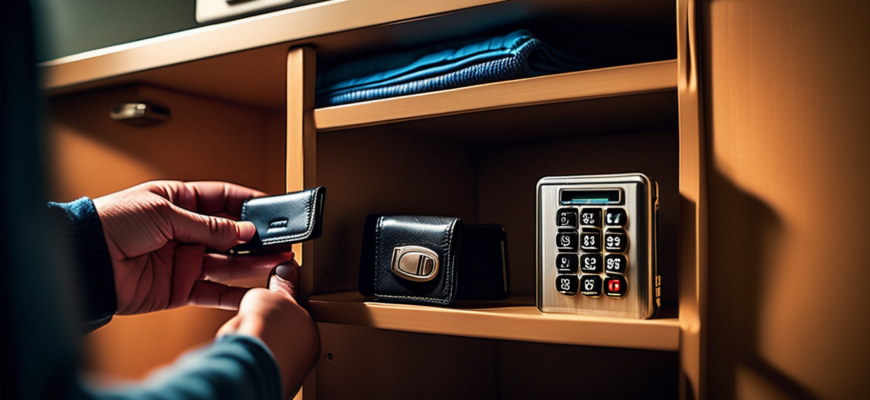
Traveling is an exciting experience that broadens horizons, allows for cultural immersion, and creates unforgettable memories. However, amid the excitement, one aspect often overlooked is the safe storage of valuables such as passports, cash, electronics, jewelry, and other personal items. Ensuring these belongings are protected is essential for peace of mind and a stress-free holiday.
One of the most effective ways to safeguard your valuables during your stay at a hotel is utilizing the hotel safe or other secure storage options. This comprehensive guide explores the best practices, safety tips, and practical strategies to keep your possessions secure while enjoying your travels.
- Why Is It Important to Secure Your Valuables?
- Types of Secure Storage Options in Hotels
- 1. Hotel Safes
- 2. Resealable Lockers or Lockable Drawers
- 3. External Secure Facilities
- 4. Portable Security Devices
- Choosing the Right Safe in a Hotel
- Best Practices for Using Hotel Safes
- 1. Use the Safe for All Valuables
- 2. Avoid Using Obvious Combinations or Keys
- 3. Keep Your Safe Code Confidential
- 4. Double-Check Before Leaving the Room
- 5. Secure Small Valuables in a Personal Safe or Carry Them
- Additional Security Measures and Tips
- 1. Use a Travel Security Belt or Hidden Pouch
- 2. Divide and Conquer
- 3. Register Your Valuables
- 4. Use Secure Transportation
- What to Do If Your Valuables Are Lost or Stolen
- Additional Tips for Tourists to Protect Their Valuables
- Tip 1: Be Aware of Your Surroundings
- Tip 2: Limit Access to Sensitive Items
- Tip 3: Use Hotel Security Services
- Tip 4: Choose Hotels with Good Security Ratings
- Summary: Ensuring Personal Security During Your Hotel Stay
Why Is It Important to Secure Your Valuables?
While most hotels make efforts to ensure guests’ security, personal responsibility plays a significant role in preventing theft, loss, or damage. Here are some compelling reasons to prioritize safe storage during your hotel stay:
- Protection from theft or unauthorized access
- Prevention of loss due to forgetfulness or mishandling
- Reducing potential financial or emotional distress
- Adherence to hotel policies regarding valuables
Types of Secure Storage Options in Hotels
1. Hotel Safes
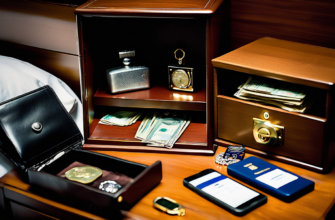
The most common and convenient method to secure valuables in a hotel. These safes are typically located within the room or at the reception area and are designed to be user-controlled to ensure security.
2. Resealable Lockers or Lockable Drawers
Some hotel rooms offer lockable cabinets or drawers where guests can store smaller valuables. While less common, they provide additional security within the room.
3. External Secure Facilities
In some cases, hotels partner with third-party secure storage providers, such as safety deposit boxes at banks or private vault facilities, for high-value items.
4. Portable Security Devices
Travel safes, lockable cases, and portable safes provide an extra layer of security, especially if the hotel lacks sufficient safes or if guests prefer to carry valuables with them during outings.
Choosing the Right Safe in a Hotel
Not all hotel safes offer the same level of security. When selecting or using a safe, consider the following factors:
| Feature | Importance | What to Look For |
|---|---|---|
| Locking Mechanism | High | Electronic keypad, keypad lock, or biometric lock for added security |
| Size | Moderate | Compatible with the valuables you intend to store |
| Location | High | In-room safe with discreet placement or at reception |
| Access Control | High | Unique code or key that only you possess |
| Security Certifications | Moderate to High | Look for safes with certified security standards (e.g., UL-rated) |
Best Practices for Using Hotel Safes
1. Use the Safe for All Valuables
Always store passports, cash, jewelry, travel documents, and electronics in the safe when you are not carrying them. Even if you plan to be away from the room temporarily, secure your valuables to prevent theft.
2. Avoid Using Obvious Combinations or Keys
Set unique, difficult-to-guess codes or use electronic safes with biometric access. Do not choose simple combinations like “0000” or “1234,” as they are commonly known and easily guessed.
3. Keep Your Safe Code Confidential
Never share your safe code or password with third parties, including hotel staff. Treat the safe code as sensitive information to prevent unauthorized access.
4. Double-Check Before Leaving the Room
Ensure that the safe is properly locked and that your valuables are inside before departing. In case of electronic safes, verify that the locking mechanism has engaged.
5. Secure Small Valuables in a Personal Safe or Carry Them
If your in-room safe is small or not secure enough, consider carrying valuables with you in a hidden pocket, money belt, or portable security device.
Additional Security Measures and Tips
1. Use a Travel Security Belt or Hidden Pouch
Keep cash and important documents close to your body with specially designed travel belts or hidden pouches, especially during excursions or crowded places.
2. Divide and Conquer
Split your valuables among different locations — leave some in your room safety, carry some with you, and store others in secure external facilities if available. This way, if one stash is compromised, not all your valuables are lost.
3. Register Your Valuables
For high-value items, log serial numbers, take photographs, and keep records. This documentation helps facilitate theft claims and recovery efforts if items are lost or stolen.
4. Use Secure Transportation
When moving valuables outside your hotel room, always keep them under your supervision and avoid displaying items like jewelry, expensive electronics, or large sums of cash openly.
What to Do If Your Valuables Are Lost or Stolen
- Report the incident immediately to hotel management and security staff.
- File a police report if necessary, especially if valuable items are stolen.
- Contact your embassy or consulate if necessary, particularly if passports or identification documents are missing.
- Notify your bank or credit card providers if financial information or cards are compromised.
- Provide documentation, such as photographs and logs, to assist in recovery or insurance claims.
Additional Tips for Tourists to Protect Their Valuables
Tip 1: Be Aware of Your Surroundings
Stay alert in crowded places like markets, tourist attractions, and transport stations. Pickpockets often target distracted visitors.
Tip 2: Limit Access to Sensitive Items
Carry only what is necessary for the day. Leave extra cash or valuable items in a safe location or in your hotel safe.
Tip 3: Use Hotel Security Services
Some hotels offer additional security options such as in-room safes, 24/7 security staff, or even personal safe deposit services.
Tip 4: Choose Hotels with Good Security Ratings
Read reviews and select accommodations that prioritize safety features, have recent updates, and positive security reviews from previous guests.
Summary: Ensuring Personal Security During Your Hotel Stay
Properly securing valuables in a hotel involves a combination of utilizing reliable safes, adopting prudent habits, and staying aware of surroundings. The hotel safe remains the most accessible and practical option for most travelers, but supplementing it with additional security measures can further reduce risks. By thoughtfully managing your valuables, you can enjoy your holiday with peace of mind, focusing on the experiences and memories that travel offers.
Travel safety begins with responsible handling of your belongings. Employing hotel safes effectively, combining multiple security strategies, and remaining vigilant will ensure that your valuables remain protected throughout your journey. Ultimately, the peace of mind gained from knowing your valuables are secure allows you to fully immerse yourself in the joys of travel and exploration.
Похожие записи:
 Essential Tips for Tourists: Bringing an Extra Set of Keys or a Digital Copy of Your Hotel Key Card
  Essential Travel Tips: Safeguarding Your Travel Documents and Copies During Hotel Holidays
  Ultimate Guide to Using Local Dining Apps with User Reviews and Tips for Hotel Holidays
  Stay Hydrated on Hotel Holidays: The Ultimate Guide to Using a Reusable Water Bottle
  Avoid Booking During Peak Holidays to Benefit from Lower Prices: Essential Tips for Tourists
  Ultimate Guide to Packing Entertainment for Hotel Holidays: Books, Podcasts, and Movies
  Ultimate Guide: Must-Have Items to Avoid Overpacking on Your Hotel Holidays
  Essential Tips for Tourists: Why Packing an Extra Phone Battery or Power Bank is Crucial for Long Outings
  Smart Packing Tips: Using Foldable Totes & Extra Bags for Shopping and Souvenirs on Hotel Holidays
  Ultimate Guide to Using Offline Maps and Guidebooks for Seamless Navigation During Hotel Holidays
  Essential Guide: Why You Should Include a Waterproof Phone Case or Dry Bag for Water Activities During Hotel Holidays
  Ultimate Guide to Packing an Adapter for International Travel: Ensure Your Devices Stay Powered
  Comprehensive Guide to Researching Dietary-Specific Options for Tailored Hotel Holidays
  Essential Travel Tips: Bringing Plastic Bags for Wet Clothes and Dirty Shoes During Hotel Holidays
  Unlocking Insider Tips: How Reading Recent Travel Forums Can Elevate Your Hotel Holidays
  Maximize Your Hotel Bookings: How Cashback Portals Help Tourists Earn Rewards on Hotel Stays