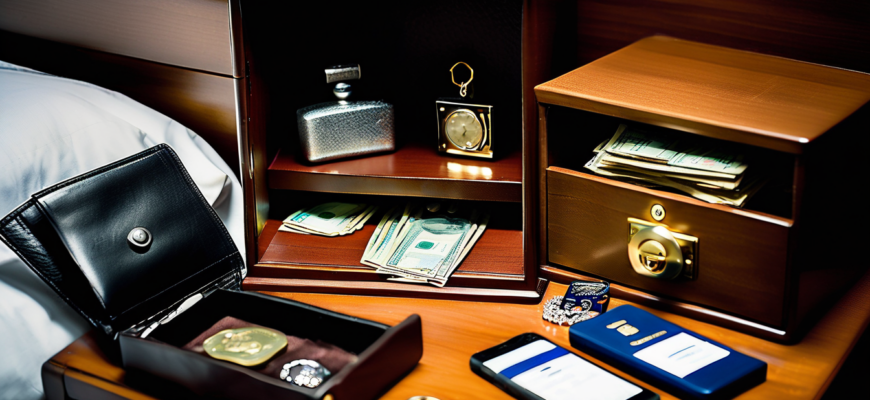
Traveling to new destinations offers an exciting adventure, cultural exploration, and memorable experiences. However, along with the joy of discovering unfamiliar places comes the essential responsibility of protecting personal valuables. Passports, cash, jewelry, electronic devices — these are indispensable assets that require careful security during your stay at a hotel. One of the simplest and most effective ways to keep these items safe is by utilizing the hotel room safe.
- Why Use Hotel Room Safes?
- Types of Hotel Room Safes
- Electronic Safes
- Keypad Safes
- Key Safes
- Biometric Safes
- How to Use Hotel Room Safes Effectively
- 1. Choose the Right Safe
- 2. Set a Secure Personal Code
- 3. Keep the Code Confidential
- 4. Use the Safe for All Valuables
- 5. Avoid Overloading the Safe
- 6. Lock the Safe When Leaving the Room
- 7. Regularly Check the Safe’s Security
- Additional Tips for Protecting Passports, Money, and Valuables
- Additional Safety Measures During Your Stay
- 1. Use Hotel Safety Deposit Boxes
- 2. Understand Hotel Policies
- 3. Secure Transportation of Valuables
- 4. Be Mindful of Your Surroundings
- The Importance of Smart Packing and Security Planning
- Effective Packing Tips
- Planning for Long-Term Security
- Common Mistakes to Avoid with Hotel Safes
- Final Thoughts: Travel Security as a Priority
- Summary Table: Best Practices for Using Hotel Room Safes
Why Use Hotel Room Safes?
Hotel room safes have become a standard amenity in many accommodations worldwide. They serve as a reliable solution for safeguarding valuables from theft, loss, or damage, especially when guests are away from the room or during restful sleep. Here are some key reasons to prioritize the use of hotel safes:
- Protection Against Theft: Safes are designed to resist unauthorized access, helping keep your belongings secure from potential thieves.
- Convenience: Easy to operate and accessible, safes allow quick deposit and retrieval of valuables.
- Peace of Mind: Knowing that important items are stored securely reduces travel-related stress.
- Protection Against Damage: Safes can shield valuables from accidental spills, humidity, or other environmental hazards.
Types of Hotel Room Safes
Understanding the different types of safes available helps travelers choose the most suitable option and use them effectively. The common types include:
Electronic Safes
These safes operate with a keypad and a digital code. They are popular due to their ease of use, often featuring programmable PINs, and sometimes include additional security features like biometric sensors.
Keypad Safes
Similar to electronic safes but may require the use of a physical key in addition to a code, providing an extra layer of security.
Key Safes
Operate solely with a physical key. Though reliable, they are less common today due to the risk of losing keys or duplication.
Biometric Safes
Utilize fingerprint or other biometric data, offering high security and quick access for authorized users.
How to Use Hotel Room Safes Effectively
1. Choose the Right Safe
Select a safe that meets your security needs, preferably electronic with a personal code, and one that is appropriately sized for your valuables. If unsure, consult the hotel staff for guidance.
2. Set a Secure Personal Code
Create a unique, non-obvious PIN or password. Avoid simple combinations like “1234” or “0000.” Do not share your code with anyone, including hotel staff, unless absolutely necessary.
3. Keep the Code Confidential
Memorize your access code and avoid writing it down in easily discoverable places. Consider using a mnemonic or a pattern that only you understand.
4. Use the Safe for All Valuables
Store passports, cash, jewelry, travel documents, and electronic devices inside. Even small items like SIM cards or sensitive information should be kept secure.
5. Avoid Overloading the Safe
Be mindful not to overcrowd the safe, which can compromise security or damage valuables. Leave enough space and ensure nothing is pressed against the safe door that might prevent it from closing securely.
6. Lock the Safe When Leaving the Room
Always secure the safe before leaving the room, even if you’re only stepping away briefly. It’s an extra step that greatly enhances security.
7. Regularly Check the Safe’s Security
Periodically verify that the safe is functioning properly and that the lock mechanism is intact. Report any issues to hotel staff immediately.
Additional Tips for Protecting Passports, Money, and Valuables
| Tip | Description |
|---|---|
| Limit Carrying Cash | Use credit or debit cards whenever possible. Carry only the amount of cash needed for daily expenses. |
| Make Copies of Important Documents | Photocopy passports, visas, travel insurance, and other vital documents. Keep copies separately from originals or store them securely online. |
| Use Multiple Storage Locations | Distribute valuables across different safes, hidden compartments, or in-room drawers to minimize loss if one spot is compromised. |
| Secure Electronic Devices | Use password protection, enable device tracking options, and keep devices in safe when not in use. |
| Be Vigilant in Public Areas | Avoid displaying valuables in crowded places, markets, or transportation. Keep bags zipped and close to your body. |
| Utilize Hotel Security Services | Ask about hotel safety protocols, safes, or additional security options. Some hotels provide safety deposit boxes at the reception. |
Additional Safety Measures During Your Stay
1. Use Hotel Safety Deposit Boxes
If the in-room safe seems inadequate or is unavailable, many hotels offer secure safety deposit boxes at the front desk or in a designated safe deposit room. These are often more secure because they are monitored and physically locked away.
2. Understand Hotel Policies
Familiarize yourself with the hotel’s safety policies, including procedures for lost keys, safe malfunctions, or emergencies. Knowing whom to contact can save time and ensure prompt assistance.
3. Secure Transportation of Valuables
When moving valuables in and out of the hotel, keep them close—preferably in a confiscated bag or a concealed pocket. Never leave valuables unattended in public areas.
4. Be Mindful of Your Surroundings
Stay alert in unfamiliar environments, especially in crowded areas or during transportation. Recognize suspicious behavior and avoid risky situations.
The Importance of Smart Packing and Security Planning
Effective Packing Tips
- Use a secure, lockable bag for travel documents and valuables.
- Limit the number of valuables carried daily.
- Separate essentials into multiple discreet compartments.
- Carry a small, portable safe or travel safe if needed.
Planning for Long-Term Security
Consider insuring your valuables before traveling. Certain travel insurance policies provide coverage for theft or loss of personal items. Keep digital copies of important documents in secure cloud storage as an additional backup.
Common Mistakes to Avoid with Hotel Safes
- Using Easily Guessable Codes: Refrain from default codes like “0000” or “1234”.
- Leaving Valuables Unsecured in the Room: Never assume that the safe is foolproof; always lock valuables securely.
- Overloading the Safe: Too many items can compromise security or damage valuables.
- Sharing Codes: Avoid sharing access codes with anyone, including hotel staff.
- Ignoring Safe Malfunctions: Report issues immediately and do not try to forcibly open or fix the safe yourself.
Final Thoughts: Travel Security as a Priority
Using a hotel room safe is a practical, straightforward method for protecting passports, money, and valuables during your travel. It provides peace of mind, allowing travelers to enjoy their trip without undue concern over their possessions. Properly choosing, setting up, and securing valuables in these safes reduces the risk of theft and loss significantly. Coupled with general vigilance and smart packing, hotel safes are an essential component of comprehensive travel security planning.
Summary Table: Best Practices for Using Hotel Room Safes
| Best Practice | Explanation |
|---|---|
| Select a secure, high-quality safe | Use electronic or biometric safes for better security |
| Create a strong, unique code | Prevent unauthorized access |
| Keep the code confidential | Minimize risk of compromise |
| Store only essential valuables | Avoid overloading and potential damage |
| Secure the safe each time you leave | Prevent unauthorized access when away from the room |
| Use additional safety measures | Combine with hotel safety deposit boxes and online backups |
Travelers who prioritize security by proficiently utilizing hotel room safes not only safeguard their essential documents and valuables but also enhance their overall travel experience. Careful planning, smart use of technology, and adherence to best practices create a safer, more enjoyable journey. Embedding these security habits into travel routines is a wise strategy for every traveler seeking peace of mind and a hassle-free adventure.
Похожие записи:
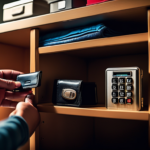 Ultimate Guide to Securing Your Valuables During Hotel Holidays: Safe Storage Tips for Tourists
 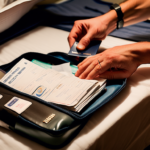 Essential Travel Tips: Safeguarding Your Travel Documents and Copies During Hotel Holidays
  Avoid Sharing Personal Travel Plans on Social Media in Real-Time: Essential Tips for Tourists on Hotel Holidays
 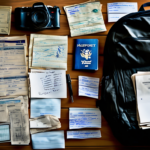 Essential Travel Safety: Keep a Photocopy of Your Passport and Important Documents Separate from the Originals
  Ultimate Guide to Verifying Safety and Cleanliness Standards of Hotels Before Booking
  Ultimate Guide to Packing an Adapter for International Travel: Ensure Your Devices Stay Powered
  Stay Hydrated on Hotel Holidays: The Ultimate Guide to Using a Reusable Water Bottle
  Stay Safe: The Essential Guide to Using Unattended Electrical Appliances in Hotel Rooms
  Ultimate Guide: Must-Have Items to Avoid Overpacking on Your Hotel Holidays
  Ultimate Guide to Packing Entertainment for Hotel Holidays: Books, Podcasts, and Movies
  Ultimate Guide to Using Offline Maps and Guidebooks for Seamless Navigation During Hotel Holidays
  Essential Guide: Why You Should Include a Waterproof Phone Case or Dry Bag for Water Activities During Hotel Holidays
  Ultimate Guide to Hotel Concierge Services: Curated Dining Recommendations for a Perfect Vacation
  Ultimate Guide: Bring Versatile Clothing for Different Weather Conditions During Your Hotel Holiday
  Ultimate Guide to Using Local Dining Apps with User Reviews and Tips for Hotel Holidays
  Compare Prices Across Multiple Booking Sites Before Finalizing Your Reservation: Ultimate Guide for Savvy Travelers