Traveling to a new country for a hotel holiday can be an exciting adventure filled with breathtaking sights, cultural experiences, and relaxing moments. However, it is crucial to ensure safety and preparedness by having quick access to essential information such as emergency contact numbers and your country’s embassy or consulate details. This guide provides comprehensive tips and practical advice to help travelers stay safe and informed during their trips, emphasizing the importance of easy access to emergency resources.
- Why Is It Important to Keep Emergency Contact and Embassy Information Accessible?
- Essential Emergency Contacts and Embassy Information to Keep Handy
- Local Emergency Services
- Contact Information for Your Country’s Embassy or Consulate
- Additional Emergency Contacts
- Strategies for Keeping Emergency Information Accessible
- 1. Digital Storage of Emergency Contacts
- 2. Printing Hard Copies of Critical Information
- 3. Utilize Physical Safety Devices and Items
- 4. Registering with Your Embassy
- 5. Keep a Travel Emergency Kit
- Practical Tips for Travelers to Stay Calm and Prepared
- Training and Familiarity
- Language Barrier Considerations
- Establishing Local Contacts
- Additional Resources and Tools for Travelers
- Mobile Applications
- Useful Websites
- Summary Table: Key Steps to Stay Prepared
- Final Thoughts
Why Is It Important to Keep Emergency Contact and Embassy Information Accessible?
Traveling involves an element of unpredictability. While most trips proceed smoothly, unforeseen situations can occur—medical emergencies, lost documents, theft, or legal complications. In such moments, the ability to quickly retrieve contact information for local emergency services or the home country’s embassy can significantly reduce stress and facilitate swift action.
Key reasons include:
- Rapid response to emergencies: Immediate access allows for quick reporting of incidents such as accidents, medical issues, or crimes.
- Legal and consular assistance: Embassies and consulates provide vital help, including issuing emergency documents or guidance on local legal procedures.
- Ensuring safety and peace of mind: Preparedness minimizes panic, allowing travelers to focus on resolving issues rather than searching for help resources.
Essential Emergency Contacts and Embassy Information to Keep Handy
Local Emergency Services
Every country has designated emergency service numbers. These vary by nation and sometimes even by region or city within a country. It is crucial to memorize or have quick access to the correct numbers for:
- Police: Typically 112 (European Union), 911 (North America), or country-specific numbers.
- Ambulance / Medical Emergencies: Often the same as police in many countries, but verify specific numbers.
- Fire Department: Varies globally but often included within the emergency number system.
Contact Information for Your Country’s Embassy or Consulate
Embassies serve as a vital link between travelers and their home country. Key information to keep includes:
| Information Type | Description |
|---|---|
| Embassy/Consulate Address | Physical location for in-person visits or emergencies. |
| Phone Number | Direct hotline for urgent assistance. |
| Email Address | For non-urgent communication or documentation requests. |
| Working Hours | Operation times to plan visits accordingly. |
| Website Link | Official site for updates, visa info, and additional resources. |
Additional Emergency Contacts
Depending on your destination and circumstances, include contacts such as:
- Nearest hospital or medical clinic
- Local police station
- Travel insurance provider
- Local tourist police or safety helplines
Strategies for Keeping Emergency Information Accessible
1. Digital Storage of Emergency Contacts
In the digital age, smartphones have become indispensable. To ensure quick access, consider the following digital organization methods:
- Save contacts in your phone: Assign clear labels such as “Embassy,” “Local Police,” or “Medical Emergency” for rapid dialing.
- Use note-taking apps: Store detailed contact info, addresses, and nearby hospital directions in secure notes or documents.
- Create a dedicated emergency folder: Store PDFs or screenshots of important contact information for offline access.
2. Printing Hard Copies of Critical Information
While digital access is convenient, technical issues or power outages can impede access. To mitigate this, always carry printed copies of:
- Emergency contact numbers
- Embassy and consulate addresses
- Medical insurance details
- Local hospital addresses and directions
3. Utilize Physical Safety Devices and Items
Safety gadgets and accessories can serve as helpful backups:
- Travel wallets or pouches: Keep hard copies safe and accessible.
- Local SIM card: Ensures connectivity and access to emergency numbers at all times.
- Portable chargers: Prevent cell phone shutdowns in critical moments.
4. Registering with Your Embassy
Many embassies and consulates offer registration services, allowing governments to assist citizens during emergencies. Ensure you:
- Register your trip details with your embassy via their official portal or in person.
- Update your registration if your itinerary changes.
- Follow embassy alerts or notifications for safety advisories.
5. Keep a Travel Emergency Kit
An emergency kit that includes vital documents and contact info can be very helpful. Consider including:
- Copies of your passport, visa, and travel insurance
- Printed emergency contacts and embassy info
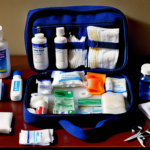
- Basic first aid supplies
- Chargers or power banks
Practical Tips for Travelers to Stay Calm and Prepared
Training and Familiarity
Before your departure, familiarize yourself with the local emergency procedures, transportation options, and key contacts. This preparation can significantly reduce panic during an incident.
Language Barrier Considerations
In non-English speaking countries, learn essential phrases such as “Help,” “Police,” “Hospital,” and “Emergency” in the local language. Additionally, utilize translation apps or carry bilingual cards with critical info.
Establishing Local Contacts
If possible, connect with hotel staff, local tour guides, or friends who can assist in emergencies or act as intermediaries.
Additional Resources and Tools for Travelers
Mobile Applications
Numerous apps can help navigate emergencies:
- Emergency app: Provides quick access to local emergency numbers based on your location.
- Travel safety apps: Offer real-time alerts, location sharing, and safety tips.
- Language translation apps: Facilitate communication during emergencies.
Useful Websites
- Ministry of Foreign Affairs of your country
- Travel advisories from official government sources
- Official embassy websites of your destination country
Preparedness is a fundamental aspect of enjoyable and safe hotel holidays abroad. Ensuring that emergency contact numbers and embassy information are easily accessible can make a critical difference during unforeseen incidents. Combining digital storage with printed backups, leveraging technology, and registering with your embassy create a comprehensive safety net. By implementing these strategies, travelers can enjoy their journey with confidence, knowing they are ready to face potential challenges with calm and clarity.
Summary Table: Key Steps to Stay Prepared
| Step | Description |
|---|---|
| Memorize or save emergency numbers | Keep the local emergency contacts and your embassy information handy, both digitally and in print. |
| Create a physical emergency kit | Include copies of documents, contacts, and essential medical supplies. |
| Register with your embassy | Ensure assistance and updates during your stay. |
| Use technology wisely | Download relevant safety apps and store information securely on your devices. |
| Stay informed and communicate | Learn local phrases, keep in touch with hotel staff, and stay updated on travel advisories. |
Final Thoughts
Travel safety begins with preparedness. Keeping emergency contact numbers and embassy information accessible not only saves time but also provides peace of mind. With a proactive approach—combining digital tools, printed materials, and local connections—tourists can enjoy their hotel holidays fully, confident in their ability to handle unexpected situations effectively. Remember, safety is a vital part of a memorable journey.
Похожие записи:
 Essential Guide: How to Find Your Country’s Embassy or Consulate for Tourist Assistance
  Essential Tips: Notifying Trusted Family or Friends of Your Hotel Details and Travel Itinerary
  Essential Phrases for Emergencies and Safety: A Tourist’s Guide to Communicating in a Foreign Language
  Essential Small First Aid Kits for Travelers: How to Be Prepared During Hotel Holidays
  Essential Safety Tips for Tourists: Why You Should Avoid Walking Alone in Unfamiliar or Poorly Lit Areas at Night
  Trust Your Instincts: Why Leaving Unsafe Situations is Essential for Tourists on Hotel Holidays
  Stay Alert and Attentive in Crowded Places and Tourist Hotspots: Essential Safety Tips for Tourists
  Avoid Sharing Personal Travel Plans on Social Media in Real-Time: Essential Tips for Tourists on Hotel Holidays
  Essential Travel Tips: Safeguarding Your Travel Documents and Copies During Hotel Holidays
  Ultimate Guide: How to Avoid Pickpockets and Stay Safe in Crowded Places During Your Hotel Holidays
  Ultimate Safety Tips for Solo Sightseeing in Unfamiliar Areas
  Ultimate Guide to Securing Your Valuables During Hotel Holidays: Safe Storage Tips for Tourists
  Ultimate Safety Tips for Exploring Nightlife and Entertainment Areas During Your Hotel Vacation
  Mastering Basic Local Phrases: Your Essential Guide for Easier Communication During Hotel Holidays
  Essential Travel Safety: Keep a Photocopy of Your Passport and Important Documents Separate from the Originals
  Avoid Discussing Sensitive Topics with Strangers in Public Areas: Essential Tips for Tourists on Hotel Holidays