
Traveling offers exciting opportunities to explore new cultures, cuisines, and environments. However, for travelers with food allergies or specific dietary restrictions, navigating unfamiliar culinary landscapes can pose significant challenges. Hotels often serve international dishes, and language barriers or lack of awareness can lead to misunderstandings that threaten health and safety. Therefore, understanding how to identify potential food allergy symptoms and communicate dietary needs clearly is crucial for a safe and enjoyable holiday experience. This comprehensive guide aims to equip travelers with essential knowledge and practical tips to manage food allergies effectively during their hotel stays.
- Understanding Food Allergies: What Travelers Need to Know
- What Is a Food Allergy?
- Common Food Allergens
- Symptoms of Food Allergies
- Importance of Recognizing Food Allergies in a Foreign Environment
- Proactive Measures for Managing Food Allergies During Hotel Holidays
- Pre-Travel Preparation
- Research Local Cuisine and Ingredients
- Learn Key Phrases in the Local Language
- Consult Your Medical Professional
- In-Hotel Communication Strategies
- Notify the Hotel in Advance
- Use Clear, Concise Language
- Leverage Allergy Identification Cards and Apps
- On-Site Meal Management
- Check Food Labels Carefully
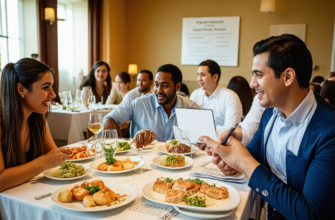
- Communicate with Kitchen Staff Directly
- Be Cautious with Prepared and Street Foods
- Tools and Tips to Facilitate Safe Dining
- Useful Communication Templates
- Food Allergy Management Checklist for Travelers
- Legal and Cultural Considerations in Different Countries
- Emergency Preparedness and Safety
- Summary: Ensuring a Safe and Enjoyable Holiday
- Final Tips for Success
Understanding Food Allergies: What Travelers Need to Know
What Is a Food Allergy?
A food allergy is an immune system response that occurs soon after consuming a specific food. In sensitive individuals, the immune system mistakenly identifies a harmless food protein as a threat and triggers an allergic reaction. These reactions can range from mild symptoms like itching or hives to severe and life-threatening conditions such as anaphylaxis.
Common Food Allergens
While allergies can develop to any food, certain allergens are more prevalent worldwide. Recognizing these is vital when ordering or consuming food abroad:
- Nuts: Peanuts, tree nuts (almonds, walnuts, cashews, etc.)
- Shellfish: Shrimp, crab, lobster, mollusks
- Fish
- Milk and Dairy Products
- Eggs
- Wheat and Gluten
- Soy
- Sulfites: Preservatives often used in dried fruits and wine
Symptoms of Food Allergies
Symptoms vary in severity and may include:
- Itching or swelling of the lips, tongue, or throat
- Hives or skin rash
- Difficulty breathing or wheezing
- Stomach pain, vomiting, or diarrhea
- Dizziness or fainting
- Anaphylaxis—a medical emergency requiring immediate intervention
Importance of Recognizing Food Allergies in a Foreign Environment
Travelers may not always be aware of the ingredients used in local dishes or how dishes are prepared. Cross-contamination is common in kitchens, especially when cooking for large groups or preparing different allergen-containing foods in the same space. Recognizing potential triggers and symptoms early can prevent severe health incidents and ensure that the holiday remains enjoyable.
Proactive Measures for Managing Food Allergies During Hotel Holidays
Pre-Travel Preparation
Research Local Cuisine and Ingredients
Understanding the culinary traditions of the destination helps anticipate what foods to avoid and how dishes are typically prepared. Using reputable sources, travel forums, or consulting with local experts can provide valuable insights into common ingredients and cooking methods.
Learn Key Phrases in the Local Language
Being able to communicate dietary restrictions effectively is essential. Prepare linguistic notes or cards with translations of allergy-related phrases, such as “I am allergic to nuts,” or “Does this dish contain shellfish?” Using visual aids can also help bridge language gaps.
Consult Your Medical Professional
Discuss your allergies with your healthcare provider before traveling. They may recommend carrying an emergency action plan, prescriptions for antihistamines or epinephrine auto-injectors, and tailored advice specific to your allergies.
In-Hotel Communication Strategies
Notify the Hotel in Advance
Prior to arrival, inform the hotel management about your allergies. Many hotels offer special dietary accommodations or can communicate your restrictions to the culinary team. Providing written documentation or allergy cards can improve understanding.
Use Clear, Concise Language
When communicating in person or via translation tools, use simple sentences describing your restrictions explicitly. For example: “I am allergic to nuts. Please do not serve any dish containing nuts or cross-contaminated with nuts.”
Leverage Allergy Identification Cards and Apps
Carry allergy translation cards that clearly state your sensitivities. Mobile applications are also available that translate allergy information into local languages, which can be shown to restaurant staff or kitchen personnel.
On-Site Meal Management
Check Food Labels Carefully
When dining at buffets, restaurants, or room service, scrutinize food labels for allergens. Many packaged foods include allergen information; be vigilant and ask for assistance if necessary.
Communicate with Kitchen Staff Directly
If possible, speak directly to the chef or kitchen personnel to confirm ingredients and preparation methods. Request that allergen-free dishes be prepared separately to prevent cross-contact.
Be Cautious with Prepared and Street Foods
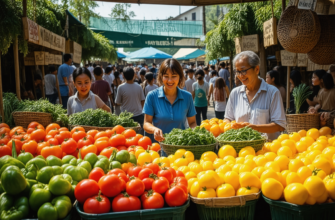
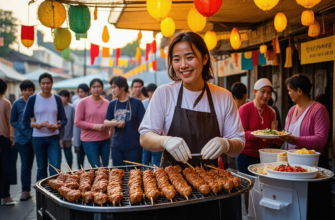
Prepared foods, street vendors, or local markets may have different practices regarding cross-contamination. Exercise caution and prioritize establishments with good reviews for food safety and allergen awareness.
Tools and Tips to Facilitate Safe Dining
Useful Communication Templates
Below are sample statements that travelers can adapt:
- “I am allergic to [specific allergen]. Please ensure no ingredients contain it.”
- “Is this dish prepared separately to avoid cross-contact?”
- “Can you cook a plain grilled chicken without sauces or spices that may contain allergens?”
Food Allergy Management Checklist for Travelers
| Preparation Step | Action |
|---|---|
| Pre-travel | Research local cuisine, prepare language cards, consult healthcare provider |
| Arrival | Notify hotel staff and request allergy-friendly arrangements |
| At meals | Review labels, communicate clearly with staff, avoid risky foods |
| In emergencies | Carry allergy medication, know emergency contacts, recognize symptoms |
Legal and Cultural Considerations in Different Countries
Food labeling laws and cultural attitudes towards allergies vary globally. In some countries, allergen labeling is strict and reliable; in others, it may be minimal or absent. Understanding local customs can prevent misunderstandings. For example:
- Western countries like the USA or member states of the EU generally have comprehensive allergen information on labels.
- In many Asian countries, ingredients are often listed in local languages, making translation essential.
- Cultures with communal eating practices require extra vigilance due to shared dishes and high risk of cross-contact.
Emergency Preparedness and Safety
Despite all precautions, emergencies can occur. Therefore, travelers should:
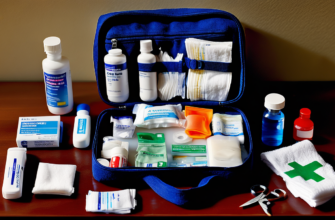
- Carry prescribed allergy medications at all times.
- Learn and memorize local emergency numbers.
- Inform travel companions about allergy sensitivities and emergency procedures.
- Identify the nearest medical facilities capable of handling allergic reactions.
Summary: Ensuring a Safe and Enjoyable Holiday
Traveling with food allergies demands proactive planning, clear communication, and cautious eating habits. By researching local cuisines, preparing effective communication tools, and establishing direct contact with hotel and restaurant staff, travelers can significantly reduce risks. Awareness of cultural differences and legal standards further enhances safety, ensuring that culinary explorations during hotel holidays remain pleasurable and free from health concerns.
Final Tips for Success
- Always have an emergency plan and necessary medications accessible.
- Use visual aids and translation apps to bridge language gaps.
- Be assertive but polite when discussing allergy requirements.
- Prioritize establishments known for good hygiene and allergen awareness.
In conclusion, awareness and effective communication are the keys to managing food allergies successfully during hotel holidays. Preparing in advance, understanding local practices, and advocating for oneself in culinary settings will ensure safe, stress-free, and enjoyable travel experiences. Remember, safety always comes first, and informed travelers are best equipped to enjoy the rich tastes and cultures of any destination without compromising health.
Похожие записи:
 Comprehensive Guide to Researching Dietary-Specific Options for Tailored Hotel Holidays
  Read Food Labels Carefully When Consuming Packaged Items: Essential Tips for Tourists on Hotel Holidays
  Essential Dietary Tips for Tourists: Incorporate Lean Proteins Like Fish and Poultry During Hotel Holidays
  Limit Sugary Pastries and Desserts to Maintain Blood Sugar Levels: Essential Tips for Tourists on Hotel Holidays
  Discover the Flavor: How Following Food Influencers Enhances Your Regional Cuisine Experience During Hotel Holidays
  Beware of Street Food: How to Avoid Foodborne Illnesses During Travel
  Find the Nearest Hospital or Medical Center Near Your Hotel: Essential Tips for Tourists
  Discover Local Markets: Your Guide to Authentic and Affordable Meals During Hotel Holidays
  Discover Local Flavors: Visiting Food Trucks and Street Vendors for Quick, Delicious Bites
  Ultimate Guide: How to Enjoy Local Food Markets Safely During Your Hotel Holiday
  Healthy Eating Tips for Travelers: Favor Grilled and Baked Foods Over Fried Dishes
  Join Food Tours to Sample a Variety of Local Dishes and Discover Their Rich Cultural Stories
  Explore Authentic Local Flavors: Visiting Food Festivals and Events During Your Hotel Holidays
  Choosing Dairy Products Rich in Probiotics to Support Digestion: Essential Tips for Healthy Travel
  Discover the World’s Best Food-Themed Walking Tours: Combining Sightseeing with Culinary Tastings
  Stay Informed About Local Weather Conditions and Forecasts: Essential Tips for Tourists Planning Hotel Holidays