Traveling to destinations with unpredictable or fluctuating weather can be a rewarding yet challenging experience. Whether exploring bustling cities, serene countryside, or scenic coastlines, understanding how to effectively layer clothing ensures comfort, adaptability, and a more enjoyable holiday. This comprehensive guide offers practical tips on packing lightweight layers that seamlessly adapt to changing temperatures, making your hotel holiday stress-free and enjoyable.
- Understanding the Importance of Layering During Travel
- Key Principles of Packing Lightweight Layers
- Essential Lightweight Layers for Changing Temperatures
- Base Layer
- Middle Layer
- Outer Layer
- Practical Tips for Packing and Wearing Layers
- 1. Pack Multipurpose Items
- 2. Use Packing Aids
- 3. Focus on Neutral Colors and Styles
- 4. Consider the Weight and Volume
- 5. Layer Up During Transitions
- Sample Packing List for Variable Weather Conditions
- Adapting to Different Environments
- Urban Settings
- Outdoor Adventures
- Coastal or Beach Destinations
- Climate-Specific Tips
- Cold Weather
- Hot and Humid Conditions
- Variable Climates
- Additional Tips for Travelers
- 1. Research the Destination Climate
- 2. Consider the Length of Stay
- 3. Think About Packing Light
- 4. Use Footwear as a Layering Tool
Understanding the Importance of Layering During Travel
Layering clothing is an age-old principle that allows travelers to adjust their outfits according to the environment. It plays a central role in maintaining body warmth, managing moisture, and preventing over- or under-dressing. Especially when moving between different elevations, climates, or indoor and outdoor environments, layered clothing provides flexibility that single, bulky garments cannot offer.
Some key benefits of effective layering include:
- Improved temperature regulation
- Enhanced comfort during variable weather conditions
- Reduced need for multiple bulky items
- Increased flexibility for physical activity and outdoor adventures
Key Principles of Packing Lightweight Layers
Understanding how to combine clothing pieces is essential for maximizing comfort and minimizing luggage. Here are some fundamental principles:
- Choose versatile fabrics: Opt for lightweight, breathable, and moisture-wicking materials like merino wool, synthetic fibers, or technical blends.
- Layer strategically: Build your outfit from the base layer (closest to the skin) to outer layers that protect against wind, rain, or cold.
- Prioritize packability: Select items that can be compressed or rolled to save space.
- Plan for specific activities: Consider the nature of your travel—urban exploration, outdoor hikes, or beach days—and pack accordingly.
Essential Lightweight Layers for Changing Temperatures
Below are the standard layers that every traveler should consider packing, along with tips on how to use each effectively.
Base Layer
The base layer is critical for moisture management and comfort. It should be snug-fitting and made of materials that wick sweat away from the skin. Examples include:
- Merino wool shirts: Naturally odor-resistant, warm, yet lightweight.
- Synthetic moisture-wicking tops: Such as polyester or nylon blends with quick-dry properties.
- Lightweight thermal underwear: For colder environments, to provide thermal insulation without bulk.
Middle Layer
This layer offers insulation to retain body heat. It should be lightweight yet effective.
- Fleece jackets or pullovers: Soft, insulating, and easy to pack.
- Light down or synthetic insulated vests: Provide warmth without bulk and can be removed if it gets warm.
- Long-sleeve shirts or thermal tops: Made of insulating materials to add warmth.
Outer Layer
The outer layer protects against wind, rain, and snow, ensuring comfort despite the weather. Key features include waterproofing, wind resistance, and breathability.
- Lightweight waterproof jackets: Packable and versatile, suitable for sudden showers.
- Windbreakers: Protect against windchill without causing overheating.
- Rain ponchos or ultralight Gore-Tex jackets: For heavy rain or windstorms.
Practical Tips for Packing and Wearing Layers
1. Pack Multipurpose Items
- Choose clothing pieces that serve multiple functions, such as a waterproof jacket that also acts as a windbreaker or a thermal base layer that can be worn alone in milder weather.
2. Use Packing Aids
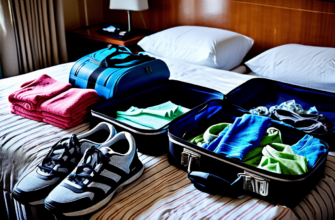
- Implement packing cubes, roll clothes tightly, or use compression bags to maximize space and keep layers organized.
3. Focus on Neutral Colors and Styles
- Stick to neutral hues that can be mixed and matched, reducing the total number of pieces needed.
4. Consider the Weight and Volume
- Select lightweight jackets, thin insulating layers, and compact base layers to keep luggage manageable.
5. Layer Up During Transitions
- Be ready to add or remove layers when moving between heated indoor environments and colder outdoor spaces.
Sample Packing List for Variable Weather Conditions
| Category | Items | Purpose |
|---|---|---|
| Base Layers | Merino wool T-shirt, moisture-wicking thermal top | Moisture management, thermal regulation |
| Middle Layers | Fleece hoodie, insulated vest | Insulation, warmth |
| Outer Layers | Waterproof jacket, windbreaker | Protection from elements, wind resistance |
| Accessories | Lightweight gloves, beanie, buff/scarf | Additional warmth, protection from wind |
Adapting to Different Environments
Understanding how to adapt your layers to specific environments enhances comfort and safety during your travels.
Urban Settings
Typically, indoor heating and mild outdoor conditions allow for light layers. Focus on stylish, versatile pieces like a sleek waterproof jacket paired with comfortable base layers.
Outdoor Adventures
Prepare for temperature changes by layering smartly. For hikes or outdoor excursions, include moisture-wicking base layers, insulating middle layers, and durable, waterproof outer shells.
Coastal or Beach Destinations
Even at seaside resorts, weather can fluctuate, especially in the evenings. Pack light sweaters or shawls along with sun protection gear.
Climate-Specific Tips
Cold Weather
- Prioritize thermal base layers and insulated outer layers.
- Use hats, gloves, and thermal socks to retain heat.
- Make sure outerwear is windproof and waterproof.
Hot and Humid Conditions
- Choose light, breathable fabrics for base and middle layers.
- Use UV-protective hats and sunglasses.
- Carry a lightweight, packable rain cover or umbrella.
Variable Climates
- Focus on layering pieces that can be added or removed easily.
- Keep an eye on weather forecasts and plan wardrobe adjustments accordingly.
- Opt for lightweight, quick-drying materials to handle sudden rain or temperature drops.
Additional Tips for Travelers
1. Research the Destination Climate
Before packing, consult reliable weather forecasts to tailor your layers specifically to the anticipated climate.
2. Consider the Length of Stay
If staying for an extended period, prioritize versatile pieces that can be washed and dried quickly or reused.
3. Think About Packing Light
Adopt the “one in, one out” approach: for every new item packed, remove an unnecessary one to avoid excess luggage.
4. Use Footwear as a Layering Tool
Choose comfortable, weather-appropriate shoes that can serve as part of your outfit layering strategy.
Effective preparation for changing temperatures during hotel holidays hinges on understanding and implementing the art of layering. By selecting lightweight, versatile clothing pieces, packing intelligently, and adapting your wardrobe to various environments and weather conditions, travelers can ensure maximum comfort and flexibility throughout their journey. Mastering these strategies not only simplifies packing but also enhances the overall travel experience, making every adventure memorable and hassle-free.
Похожие записи:
 Ultimate Guide: Bring Versatile Clothing for Different Weather Conditions During Your Hotel Holiday
  Why You Should Pack a Swimsuit for Your Hotel Stay: Tips for Enjoying Pools and Beaches
  Ultimate Guide: How to Dress Appropriately for Various Attractions
  Ultimate Guide: Must-Have Items to Avoid Overpacking on Your Hotel Holidays
  Essential Travel Tips: Bringing Plastic Bags for Wet Clothes and Dirty Shoes During Hotel Holidays
  Ultimate Guide: Preparing for Sightseeing Excursions with Comfortable Footwear Essential Travel Tip: Bringing a Laundry Bag to Keep Dirty Clothes Separate During Hotel Holidays
  Comfortable Walking Shoes: Essential Tips to Prevent Fatigue and Falls During Your Hotel Holiday Stay Informed About Local Weather Conditions and Forecasts: Essential Tips for Tourists Planning Hotel Holidays
  How to Effectively Book Hotel Rooms with Free Cancellation Options to Adapt to Changing Plans Essential Sun Protection for Hotel Holidays: Sunscreen, Hats, and Sunglasses
  Don’t Forget to Bring Your Favorite Travel Skincare Products: Essential Tips for Hotel Vacationers
  Mastering Local Transportation Cards: Your Ultimate Guide to Stress-Free Travel
  Ultimate Guide: Tips for Visiting Outdoor Attractions in Sunny Weather
  Essential Tips for Tourists: Why Packing an Extra Phone Battery or Power Bank is Crucial for Long Outings
  Essential Small First Aid Kits for Travelers: How to Be Prepared During Hotel Holidays