For travelers seeking to immortalize the breathtaking landscapes and scenic viewpoints encountered during hotel holidays, timing is everything. The magic of a photograph often lies not just in the scenery itself but in the moment it is captured. The quality of natural light, weather conditions, and atmospheric phenomena all fluctuate during the day, profoundly influencing the final image. This comprehensive guide explores the best times of day to photograph scenic viewpoints, helping tourists maximize their photography potential and cherish unforgettable memories of their journeys.
- Understanding the Importance of Lighting in Landscape Photography
- The Four Key Times of Day for Scenic Photography
- Golden Hour: The Magic of Early Morning and Late Afternoon
- What Is the Golden Hour?
- Why Is It Ideal for Scenic Photography?
- Tips for Capturing Stunning Photos During the Golden Hour
- Blue Hour: The Twilight Elegance
- What Is the Blue Hour?
- Why Is It Great for Scenic Photography?
- Tips for Capturing Effective Blue Hour Photos
- Sunset and Sunrise: Dusk and Dawn – Moments of Transition
- The Spectacle of Sunrises and Sunsets
- Why Camera Enthusiasts Favor This Time
- Best Practices for Sunrise and Sunset Photography
- Midday: Limitations and Opportunities
- Challenges of Midday Lighting
- When Is Midday Still Useful?
- Tips for Midday Photography
- Additional Factors Influencing Photographic Timing
- Seasonal Variations
- Weather Conditions
- Geographical Location
- Using Technology to Optimize Capture Timing
- Sun Position Apps and Tools
- Camera Settings for Different Lighting Conditions
- Creative Techniques to Enhance Scenic Photographs
- Summary: The Best Times for Photographing Scenic Viewpoints
- Final Tips for Tourists and Photographers
Understanding the Importance of Lighting in Landscape Photography
Lighting holds the key to high-quality landscape photographs. The way sunlight interacts with the terrain, objects, and atmospheric conditions shapes the mood, color palette, and clarity of the images. Different times of the day produce distinct lighting conditions, which can either enhance or diminish the visual appeal of a scene.
In particular, natural light impacts:
- Color saturation: Bright midday sun can wash out colors, whereas golden hour light enriches hues.
- Shadows and textures: Shadows add depth and dimension, highlighting features or creating dramatic effects.
- Atmospheric effects: Sunrise, sunset, fog, and mist can introduce unique textures, moods, and visual interest.
The Four Key Times of Day for Scenic Photography
While lighting conditions continuously evolve throughout the day, geographical location, season, weather, and atmospheric phenomena create specific optimal periods for photography. These are generally classified into four major times:
- Golden Hour
- Blue Hour
- Sunset and Sunrise
- Midday
Golden Hour: The Magic of Early Morning and Late Afternoon
What Is the Golden Hour?
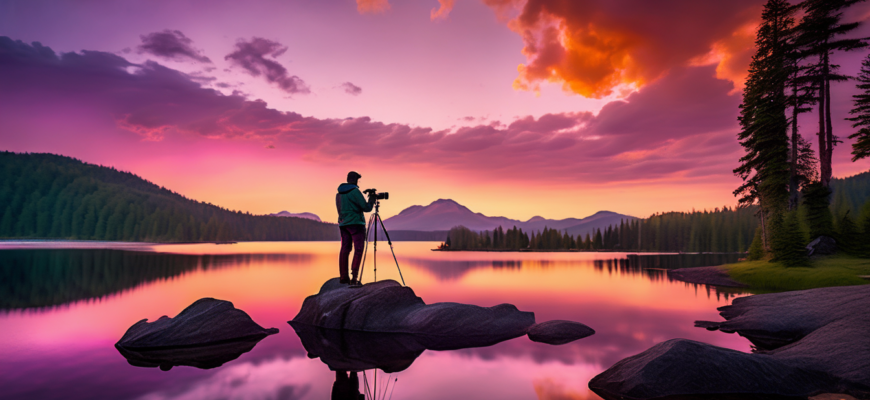
The golden hour refers to the period shortly after sunrise and before sunset when the sun is low on the horizon. During this time, sunlight is warm, soft, and diffused, casting a gentle glow over landscapes.
Why Is It Ideal for Scenic Photography?
- Enhanced Warm Tones: The sunlight imparts a golden hue, enriching the color palette of natural scenery.
- Long, Soft Shadows: Shadows stretch out, adding artistic contrast and depth to images.
- Reduced Harsh Contrast: The diffused light softens the scene, preventing overexposure and glare.
Tips for Capturing Stunning Photos During the Golden Hour
- Arrive early or stay late to secure the best light and avoid crowds at popular viewpoints.
- Use a tripod for stability, especially in lower light conditions.
- Experiment with different angles to maximize shadow and light interplay.
- Adjust camera settings to avoid overexposure—consider lowering ISO, using smaller apertures, and adjusting exposure compensation.
Blue Hour: The Twilight Elegance
What Is the Blue Hour?
The blue hour occurs just before sunrise and immediately after sunset. During this period, the sky takes on a deep blue hue, with diffused light creating a tranquil and surreal atmosphere.
Why Is It Great for Scenic Photography?
- Unique Mood: The blue-toned light produces a calm, mysterious, and almost magical ambiance.
- Color Contrast: Blue skies contrast beautifully with warmer lighting from artificial sources or landscape lighting.
- Long Exposure Opportunities: The subdued light allows for creative long exposures, capturing motion in clouds or water.
Tips for Capturing Effective Blue Hour Photos
- Use a tripod to maximize exposure times and avoid camera shake.
- Adjust white balance settings to enhance the blue tones.
- Include foreground interest to add depth and context.
- Consider using long exposure techniques to introduce motion blur in clouds or water.
Sunset and Sunrise: Dusk and Dawn – Moments of Transition
The Spectacle of Sunrises and Sunsets
Sunrise and sunset offer dynamic lighting conditions with a palette of warm, fiery colors. These periods are fraught with potential for dramatic and emotionally compelling landscape images.
Why Camera Enthusiasts Favor This Time
- Vivid Colors: Reds, oranges, pinks, and purples infuse the scene with richness.
- Changing Light: Rapid shifts in lighting create opportunities for capturing fleeting moments.
- Highlighting Topography: The low angle of sunlight accentuates terrain features and textures.
Best Practices for Sunrise and Sunset Photography
- Scout locations beforehand for the best vantage points.
- Arrive early to set up before the optimal lighting begins.
- Use graduated ND filters if needed to balance the bright sky and darker foreground.
- Capture multiple exposures for HDR processing to preserve details in bright and dark areas.
Midday: Limitations and Opportunities
Challenges of Midday Lighting
Photographing during the middle of the day often results in high-contrast images with harsh shadows and overexposed highlights. This period is generally less favored for landscape photography due to the direct overhead sun.
When Is Midday Still Useful?
- Capturing details in shadowed areas using fill flash or reflectors.
- Photographing scenes with interesting textures or patterns unaffected by light direction.
- When weather conditions—such as overcast skies—diffuse sunlight evenly, making midday more workable.
Tips for Midday Photography
- Use polarizing filters to reduce glare and enhance color saturation.
- Seek shaded areas or overcast conditions to soften the light.
- Experiment with silhouettes or abstract compositions where harsh light adds aesthetic value.
Additional Factors Influencing Photographic Timing
Seasonal Variations
In different seasons, the sun’s trajectory and daylight hours change significantly, impacting ideal photographing times. For example, during summer months, golden hours are longer and occur earlier or later, while winter days have shorter daylight windows.
Weather Conditions
- Cloudiness: Clouds can diffuse light, creating uniform lighting that works well in midday, or produce dramatic effects during sunrise or sunset.
- Fog and Mist: Morning fog can produce mystical moods, especially in forests, lakes, and mountain regions.
- Rain and Storms: Can add dynamic elements but require patience and safety considerations.
Geographical Location
Equatorial regions experience less variation in daylight hours, while higher latitudes see dramatic shifts. Always consider local sunrise and sunset times to plan optimal shooting windows.
Using Technology to Optimize Capture Timing
Sun Position Apps and Tools
- Apps like Sun Surveyor, PhotoPills, or The Photographer’s Ephemeris provide detailed sun and moon paths, helping plan shoots at precise times.
- These tools can generate charts and notifications to maximize lighting conditions.
Camera Settings for Different Lighting Conditions
| Lighting Condition | Suggested ISO | Aperture | Shutter Speed |
|---|---|---|---|
| Golden Hour / Blue Hour | 100–400 | f/8–f/16 | Varies; use tripod for longer exposures |
| Sunrise / Sunset | 100–800 (depending on light) | f/8–f/11 | 1/60s–1/250s; use tripod for slower shutter speeds |
| Midday | 100–400 | f/8–f/16 | Fast shutter, e.g., 1/500s or higher |
Creative Techniques to Enhance Scenic Photographs
- Long Exposure: Capture movement in clouds or water, especially during blue hour or sunset.
- HDR Imaging: Merge multiple exposures for high dynamic range scenes with contrasting light.
- Filters: Use polarizers to deepen skies and manage reflections, neutral density filters for long exposures.
- Foreground Interest: Include objects like rocks, trees, or people to add perspective and scale.
Summary: The Best Times for Photographing Scenic Viewpoints
In conclusion, the optimal times of day to photograph scenic viewpoints depend on the desired mood, lighting effects, and atmospheric conditions:
- Golden Hour: Early morning and late afternoon, ideal for warm, soft lighting and long shadows.
- Blue Hour: Dusk and dawn, for tranquil, ethereal images with deep blue tones.
- Sunrise and Sunset: Moments of vibrant colors and dramatic transitions, perfect for dynamic landscapes.
- Midday: Limited usefulness but applicable in specific scenarios or under particular weather conditions.
Final Tips for Tourists and Photographers
- Always check local sunrise and sunset times before heading out.
- Scout locations beforehand to identify best viewpoints and lighting conditions.
- Arrive early and stay late to capture the full range of lighting transitions.
- Respect local environmental regulations and preserve natural beauty for future visitors.
- Practice patience, as weather and light are unpredictable but crucial to creating stunning images.
By understanding the interplay of light, timing, and atmospheric phenomena, travelers can significantly elevate their landscape photography. Whether capturing the soft glow of golden hour or the mystical serenity of blue hour, knowing when to shoot ensures images that truly reflect the beauty of scenic viewpoints encountered during hotel holidays. Embrace these moments, prepare your equipment, and let nature’s masterpieces unfold before the lens.
Похожие записи:
 Ultimate Guide: Top Tips for Capturing Stunning Photos of City Landmarks
  Ultimate Guide: Tips for Visiting Outdoor Attractions in Sunny Weather
  Ultimate Guide: Discover the Best Times to Visit Popular Eateries and Avoid Long Waits
  Best Walking Routes to Explore Historic Districts Efficiently: Your Ultimate Guide
  How to Prioritize Must-See Sights Based on Your Interests: A Guide for Tourists on Hotel Holidays
  Ultimate Guide: How to Stay Energized and Hydrated During Busy Sightseeing Days
  Ultimate Guide: How to Balance Sightseeing and Relaxation During Your Hotel Holidays
  Ultimate Guide: Tips for Finding Child-Friendly Attractions Near Your Hotel
  Ultimate Guide to Using Mobile Apps for Navigation and Local Info During Hotel Holidays
  Ultimate Guide: Bring Versatile Clothing for Different Weather Conditions During Your Hotel Holiday
  Ultimate Guide: Tips for Booking Tickets Online to Skip Long Queues and Save Time
  Enhance Your Travel Experience: Essential Cultural Etiquette Tips for Sightseeing Success
  Respectful Guidelines for Visiting Cultural and Religious Sites: Essential Tips for Tourists
  Ultimate Guide to Packing Entertainment for Hotel Holidays: Books, Podcasts, and Movies
  Ultimate Guide: How to Avoid Pickpockets and Stay Safe in Crowded Places During Your Hotel Holidays
  Ultimate Guide: Must-Have Items to Avoid Overpacking on Your Hotel Holidays