Embarking on a sightseeing adventure often involves long hours of exploring new sights, walking through vibrant streets, climbing historical landmarks, and immersing oneself in diverse cultures. While this can be an exhilarating experience, it also demands a lot of physical energy and proper hydration to ensure a memorable and safe journey. Staying energized and adequately hydrated is essential to make the most of every tourist moment and avoid fatigue, dehydration, or health issues that could cut the trip short.
- Understanding the Importance of Hydration and Energy Management
- Factors Affecting Hydration and Energy During Sightseeing
- How to Maintain Proper Hydration During Sightseeing
- 1. Drink Water Regularly
- 2. Incorporate Hydrating Foods
- 3. Use Electrolyte Drinks When Necessary
- 4. Avoid Dehydrating Beverages
- 5. Recognize Signs of Dehydration
- Strategies to Maintain Energy Levels Throughout a Day of Sightseeing
- 1. Plan Your Meals and Snacks
- 2. Eat Small, Frequent Meals
- 3. Prioritize Rest and Short Breaks
- 4. Dress Appropriately and Protect Against the Elements
- 5. Use Energy-Boosting Tips
- Practical Tips for Staying Energized and Hydrated
- 1. Create a Hydration and Nutrition Checklist
- 2. Optimize Your Schedule
- 3. Be Mindful of Your Body’s Signals
- 4. Use Technological Tools
- 5. Pack Smart
- Sample Daily Hydration and Nutrition Schedule for Sightseeing
- Additional Tips for an Unforgettable and Healthy Tour
Understanding the Importance of Hydration and Energy Management
Tourist activities involve a combination of physical exertion and mental engagement, which can quickly deplete your body’s reserve of energy and fluids. Proper hydration maintains blood circulation, regulates body temperature, and keeps muscles functioning smoothly. Likewise, sustaining energy with balanced nutrition prevents dips in stamina and helps keep your mind sharp for exploring, navigating, and appreciating new environments.
Neglecting hydration and energy needs can lead to symptoms such as dizziness, headaches, fatigue, cramps, or even heatstroke. Conversely, well-planned strategies to stay energized and hydrated enable tourists to enjoy their explorations fully, with stamina and clarity intact.
Factors Affecting Hydration and Energy During Sightseeing
| Factor | Description |
|---|---|
| Weather Conditions | Hot, sunny days increase fluid loss; cold weather may reduce the urge to drink but still cause dehydration through respiration. |
| Physical Activity Level | More walking and climbing landmarks require higher energy and hydration intake. |
| Altitude | Higher elevations can lead to increased water loss and fatigue due to lower oxygen levels. |
| Personal Health | Pre-existing conditions, age, and fitness level impact hydration and energy needs. |
| Dietary Intake | Balanced meals and snacks provide sustained energy; sugary or processed foods may cause energy crashes. |
How to Maintain Proper Hydration During Sightseeing
1. Drink Water Regularly
Consistently consuming water is key. A good rule of thumb is to drink at least 250-500 ml every hour, especially in hot climates or during intense physical activity. Keep a reusable water bottle handy to facilitate regular sipping.
2. Incorporate Hydrating Foods
Fruits and vegetables such as watermelon, oranges, strawberries, cucumbers, and lettuce have high water content and can boost hydration naturally. Including these in meals or snacks can be both refreshing and nutritious.
3. Use Electrolyte Drinks When Necessary
In cases of excessive sweating, fill the body’s electrolyte stores with sports drinks, coconut water, or oral rehydration solutions. These help replenish sodium, potassium, and magnesium lost during sweating.
4. Avoid Dehydrating Beverages
Limit consumption of alcohol, caffeinated drinks, and sugary sodas, as they can promote dehydration. If consumed, balance with additional water intake.
5. Recognize Signs of Dehydration
- Dark-colored urine
- Dry mouth and skin
- Dizziness or lightheadedness
- Fatigue or weakness
- Reduced urination frequency
Promptly addressing these signs by increasing fluid intake can prevent more severe issues.
Strategies to Maintain Energy Levels Throughout a Day of Sightseeing
1. Plan Your Meals and Snacks
Eating balanced, nutrient-rich foods stabilizes blood sugar and sustains energy. Aim for a combination of complex carbohydrates, protein, and healthy fats. Examples include whole grain sandwiches, nuts, yogurt, and fresh fruits.
2. Eat Small, Frequent Meals
Instead of heavy meals, opt for small, frequent snacks to avoid digestion-related fatigue and keep your energy steady. Carry portable snacks like trail mix, granola bars, or dried fruits.
3. Prioritize Rest and Short Breaks
Allow your body periodic rest periods. Find shaded spots or cafes to sit, relax, and recharge. Short breaks improve circulation and prevent exhaustion.
4. Dress Appropriately and Protect Against the Elements
Wear comfortable, breathable clothing and a hat. Apply sunscreen to prevent sunburn and heat exhaustion, which drain energy and hydration.
5. Use Energy-Boosting Tips
- Hydrate with caffeinated beverages cautiously; small amounts can temporarily boost alertness.
- Take deep breaths to increase oxygen intake and refresh your mind.
- Maintain a positive attitude and pace yourself to conserve energy.
Practical Tips for Staying Energized and Hydrated
1. Create a Hydration and Nutrition Checklist
Before embarking on a busy sightseeing day, prepare a list of essentials: water bottles, snacks, electrolyte drinks, sun protection, and comfortable clothing. This proactive planning ensures nothing is forgotten.
2. Optimize Your Schedule
Plan your routes to avoid unnecessary walking and include suitable rest spots. Start early when temperatures are cooler, and avoid strenuous sightseeing during peak heat hours (typically 11 am – 3 pm).
3. Be Mindful of Your Body’s Signals
Listen to your body’s cues. If you feel sluggish, dizzy, or overly thirsty, take immediate action by resting, hydrating, or having a quick energy-boosting snack.
4. Use Technological Tools
Apps and wearable devices can remind you to drink water and track your hydration levels. GPS maps can help plan efficient routes to minimize walking strain.
5. Pack Smart
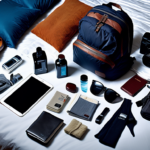
Carry a lightweight backpack with all essentials: water, snacks, sunscreen, hat, sunglasses, and a small first aid kit. Adjust the weight based on your comfort and needs.
Sample Daily Hydration and Nutrition Schedule for Sightseeing
- 7:30 AM: Hydrate with a glass of water, have a nutritious breakfast rich in complex carbs and protein (e.g., oatmeal with fruit and nuts).
- 9:00 AM: Start sightseeing; sip water every 20–30 minutes and consume an energy bar or fruit.
- 11:00 AM: Take a short break, hydrate, and have a fresh fruit or nuts.
- 1:00 PM: Lunch with balanced nutrients—grilled chicken salad, whole grain bread, and water or herbal tea.
- 3:00 PM: Small snack such as yogurt or dried fruit, drink water or electrolyte beverage.
- 5:00 PM: Continue exploring with sufficient water intake, and include fresh vegetables or fruits as snacks.
- 7:00 PM: Wind down with a light dinner, hydrate well, and rest.
Ensuring adequate hydration and sustained energy during busy sightseeing days is fundamental to maximizing enjoyment and safeguarding health. By following strategic hydration practices, incorporating nutritious meals and snacks, dressing appropriately, and listening to your body’s signals, travelers can maintain high spirits and physical readiness for their adventure. Proper planning and mindful habits not only prevent discomfort and health issues but also enhance the overall travel experience, turning busy sightseeing days into memorable explorations with ease and vitality.
Additional Tips for an Unforgettable and Healthy Tour
- Always carry a refillable water bottle and consume from reputable sources.
- Stay in shaded or air-conditioned areas during peak sun hours.
- Wear comfortable shoes to reduce fatigue and prevent foot pain.
- Adapt your plans according to weather conditions and personal health status.
- Enjoy each moment while maintaining your well-being; safety and health are the keys to a successful trip.
Похожие записи:
 Stay Hydrated on Hotel Holidays: The Ultimate Guide to Using a Reusable Water Bottle
  Ultimate Safety Tips for Solo Sightseeing in Unfamiliar Areas
  Ultimate Guide: Tips for Finding Child-Friendly Attractions Near Your Hotel
  Best Walking Routes to Explore Historic Districts Efficiently: Your Ultimate Guide
  Stay Safe: The Essential Guide to Using Unattended Electrical Appliances in Hotel Rooms
  Ultimate Guide to Packing an Adapter for International Travel: Ensure Your Devices Stay Powered
  Why You Should Pack a Swimsuit for Your Hotel Stay: Tips for Enjoying Pools and Beaches
  Comprehensive Guide: How to Check Hotel COVID-19 Protocols and Follow Health Guidelines for a Safe Stay
  Ultimate Guide: Top Tips for Capturing Stunning Photos of City Landmarks
  Ultimate Guide: Discover the Best Times to Visit Popular Eateries and Avoid Long Waits
  Ultimate Guide: Tips for Booking Tickets Online to Skip Long Queues and Save Time
  Mastering Local Transportation Cards: Your Ultimate Guide to Stress-Free Travel
  Ultimate Guide: Must-Have Items to Avoid Overpacking on Your Hotel Holidays
  Discover the World’s Best Food-Themed Walking Tours: Combining Sightseeing with Culinary Tastings
  Ultimate Guide to Packing Entertainment for Hotel Holidays: Books, Podcasts, and Movies
  Ultimate Guide: Using Hotel Room Safes to Safeguard Passports, Money, and Valuables During Your Travel