
Traveling offers an exciting opportunity to explore new cultures, cuisines, and landscapes. However, for those following a vegetarian or vegan diet, finding suitable food options while abroad can sometimes pose a challenge. Whether embarking on a relaxing beach resort, a cultural city stay, or an adventurous mountain retreat, ensuring access to delicious plant-based meals enhances the overall holiday experience.
This comprehensive guide aims to equip travelers with practical tips, strategies, and insights to effortlessly find vegetarian and vegan options during hotel holidays around the world. From understanding dietary terminology to leveraging technology and local culinary traditions, this article covers all aspects of maintaining a plant-based diet on the go.
- Why Choosing a Plant-Based Diet Matters When Traveling
- Understanding Dietary Labels and Terminology
- Common Terms to Recognize
- Understanding Food Labels and Symbols
- Strategies for Finding Vegetarian and Vegan Options While Traveling
- 1. Research Before Departure
- 2. Communicate Dietary Preferences Effectively
- 3. Leverage Technology and Mobile Apps
- 4. Seek Out Local Vegetarian and Vegan Cuisine
- Eating Out: Tips for Hotel Guests
- 1. Contact the Hotel in Advance
- 2. Choose Hotels with Dedicated Vegetarian or Vegan Menus
- 3. Use In-Room Kitchen Facilities
- 4. Explore Local Markets and Grocery Stores
- Sample Meal Ideas for Plant-Based Diet on Holiday
- Breakfast Options
- Lunch and Dinner Options
- Snacks and On-the-Go Options
- Meal Planning and Tips for a Smooth Experience
- Practical Tips
- Maintaining a Balanced Plant-Based Diet While Traveling
- Additional Resources
Why Choosing a Plant-Based Diet Matters When Traveling
Adopting a vegetarian or vegan lifestyle is often driven by health, environmental, ethical, or spiritual reasons. During travel, maintaining this diet can be crucial for several reasons:
- Health and Wellbeing: Consuming familiar and preferred plant-based foods helps maintain energy levels and prevents gastrointestinal discomfort caused by unfamiliar or processed foods.
- Ethical Considerations: Respect for personal beliefs and ethical choices should extend to travel experiences. Finding suitable options ensures that travelers stay true to their values.
- Environmental Impact: Reducing meat consumption during travels supports sustainability efforts, as the global food industry significantly impacts the environment.
- Enjoyment and Satisfaction: Discovering new vegetarian and vegan dishes can enhance the culinary experience of travel, opening doors to local flavors and traditional cuisines.
Understanding Dietary Labels and Terminology
Common Terms to Recognize
Before embarking on your culinary journey, it’s essential to understand the terminology used by restaurants, hotels, and markets worldwide. Here are some key terms:
| Term | Definition |
|---|---|
| Vegetarian | Diet excluding meat, fish, and poultry but may include dairy products and eggs. |
| Vegan | Diet excluding all animal products, including dairy, eggs, honey, and any other animal-derived ingredients. |
| Lacto-vegetarian | Includes dairy products but avoids eggs and other animal products. |
| Lacto-ovo vegetarian | Includes dairy and eggs but excludes meat, fish, and poultry. |
| Flexitarian | Primarily plant-based but occasionally includes small amounts of meat or fish. |
Understanding Food Labels and Symbols
Many countries use symbols or labels to indicate vegetarian or vegan options. Examples include:
- V or Vegan symbols on menus or packaging.
- Green leaf or plant icons indicating vegetarian dishes.
- Labels like “suitable for vegans” or “vegetarian-friendly”.
Familiarizing oneself with these symbols helps travelers quickly identify suitable meals, especially when language barriers exist.
Strategies for Finding Vegetarian and Vegan Options While Traveling
1. Research Before Departure
Effective travel planning involves identifying the culinary landscape of your destination. Use online resources such as travel blogs, culinary websites, and forums. Some useful tools include:
- HappyCow — a global platform for locating vegetarian and vegan restaurants and stores.
- TripAdvisor — filters for vegetarian-friendly restaurants and reviews.
- Google Maps — searching keywords like “vegan restaurant” or “vegetarian cafe” in the destination city.
Creating a list of potential dining options ensures that you have alternatives ready upon arrival, reducing stress and saving time.
2. Communicate Dietary Preferences Effectively
Language barriers can complicate ordering vegetarian or vegan dishes. Preparing key phrases or translations can help communicate dietary needs clearly. Examples include:
- “Is this dish vegetarian/vegan?”
- “Does this contain meat, fish, or dairy?”
- “I am vegan/vegetarian—I avoid animal products.”
Using translation apps or cards with written requests can facilitate smoother interactions with restaurant staff.
3. Leverage Technology and Mobile Apps
Smartphones and apps are invaluable travel tools for locating suitable dining options. Some recommended apps include:
- HappyCow: Details on vegetarian and vegan establishments worldwide.
- TripAdvisor: User reviews and filters for dietary preferences.
- Yelp: Local reviews and menus.
- Google Maps: Search for “vegetarian” or “vegan” in the area.
4. Seek Out Local Vegetarian and Vegan Cuisine
Many countries have traditional dishes suitable for plant-based diets or vegetarian versions of national foods. For example:
- India: Lentil-based dals, vegetable curries, naan bread.
- Thailand: Vegetable stir-fries, coconut curries, fresh salads.
- Mediterranean countries: Olive oils, fresh vegetables, hummus, grilled vegetables.
- Middle Eastern regions: Falafel, tabbouleh, stuffed grape leaves.
> Tip: When exploring local cuisines, ask restaurant staff about vegetarian or vegan options, as many dishes can be modified to suit dietary preferences.
Eating Out: Tips for Hotel Guests
1. Contact the Hotel in Advance
Many hotels now cater to dietary restrictions and can prepare suitable meals if informed beforehand. Contact the hotel’s restaurant or kitchen directly to discuss special requests. This ensures that your dietary needs are accommodated during breakfast, lunch, and dinner.
2. Choose Hotels with Dedicated Vegetarian or Vegan Menus
Select accommodations that advertise vegetarian or vegan options as part of their cuisine offerings. Such hotels often have trained staff familiar with plant-based diets, making meal planning more convenient.
3. Use In-Room Kitchen Facilities
If your hotel provides kitchenettes, you can prepare simple meals yourself. Shopping at local markets for fresh produce, grains, legumes, and plant-based essentials empowers complete control over your diet while on holiday.
4. Explore Local Markets and Grocery Stores
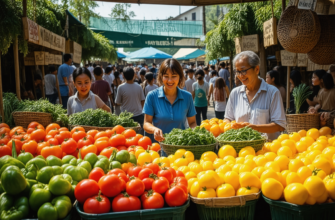
Local markets are treasure troves of fresh fruits, vegetables, nuts, and plant-based ingredients. Buying ingredients for simple meals or snacks ensures your diet remains intact and allows for culinary exploration.
Sample Meal Ideas for Plant-Based Diet on Holiday
Breakfast Options
- Oatmeal topped with fresh fruits and nuts.
- Tofu scramble with vegetables.
- Whole-grain toast with avocado and tomato.
- Fruit smoothies with plant-based milk.
Lunch and Dinner Options
- Vegetable stir-fry with rice or noodles.
- Grilled vegetable skewers with quinoa salad.
- Hummus and veggie wraps or sandwiches.
- Hearty lentil or chickpea soups.
- Vietnamese spring rolls filled with fresh herbs and vegetables.
Snacks and On-the-Go Options
- Nuts and dried fruits.
- Fresh fruit slices.
- Energy bars (check labels for vegan/vegetarian compatibility).
- Vegetable sticks with hummus or guacamole.
Meal Planning and Tips for a Smooth Experience
Practical Tips
- Pack some non-perishable essentials like nuts, dried fruits, or protein bars for travel days.
- Learn basic cooking phrases and menu terms in the local language.
- Always carry a list of preferred ingredients and dishes.
- Be patient and courteous when communicating dietary needs—many staff are eager to assist.
- Stay flexible; sometimes exploring local cuisine can lead to delightful surprises.
Maintaining a Balanced Plant-Based Diet While Traveling
Traveling might constrain access to certain foods, but with careful planning, a balanced and nutritious plant-based diet is achievable. Focus on incorporating plenty of vegetables, fruits, legumes, nuts, seeds, and whole grains to meet nutritional needs.
Adopting a vegetarian or vegan diet during hotel holidays opens up an entirely new dimension of culinary discovery. With proper research, effective communication, technological assistance, and a willingness to explore local flavors, travelers can enjoy delicious, satisfying plant-based meals anywhere in the world. Embracing these strategies ensures that dietary preferences enhance, rather than hinder, the travel experience, allowing for a truly enjoyable and harmonious holiday.
Additional Resources
- HappyCow — Find Vegetarian & Vegan Restaurants Globally
- Vegan Guide
- World Nutrition and Vegetarianism Resources
- Local tourism boards often have culinary guides highlighting vegetarian and vegan establishments.
Travelers are encouraged to stay curious, respectful of local customs, and proactive in seeking out plant-based options. By doing so, every journey becomes an opportunity to delight in new tastes and expand culinary horizons—while staying true to one’s dietary principles.
Похожие записи:
 Maximizing Health on Hotel Holidays: Why Olive Oil and Local Plant Oils Are the Perfect Fats for Your Meals
  Comprehensive Guide to Researching Dietary-Specific Options for Tailored Hotel Holidays
  Ultimate Guide to Using Map Apps to Discover Nearby Eateries Based on Traveler Reviews
  Essential Dietary Tips for Tourists: Incorporate Lean Proteins Like Fish and Poultry During Hotel Holidays
  Choose Fresh Seafood Rich in Omega-3 Fatty Acids: A Guide for Tourists on Hotel Holidays
  Ultimate Guide: Tips for Finding Child-Friendly Attractions Near Your Hotel
  Ultimate Guide to Balancing Your Meals: The Perfect Mix of Carbohydrates, Proteins, and Fats for Healthy Holidays
  Discover Authentic Local Flavors by Visiting Neighborhood-Based Eateries During Hotel Holidays
  Opt for Fresh Salads and Seasonal Vegetables for Healthy Dining During Hotel Holidays
  How to Prioritize Must-See Sights Based on Your Interests: A Guide for Tourists on Hotel Holidays
  Ultimate Guide to Choosing Nearby Parking Options for Sightseeing Excursions
  Enhance Your Hotel Holidays: Incorporating Traditional Herbs and Spices for Flavor and Health Benefits
  Boost Your Gut Health During Hotel Holidays: The Importance of Probiotics and Fermented Foods
  Discover the Charm of Local Markets: Your Guide to Fresh and Wholesome Ingredients During Hotel Holidays
  Mastering the Art of Moderation: Enjoy Rich Sauces and Creamy Dressings Responsibly During Your Hotel Holidays
  Read Food Labels Carefully When Consuming Packaged Items: Essential Tips for Tourists on Hotel Holidays