When traveling, especially during hotel stays, it’s easy to find yourself relying heavily on salt to add flavor to your meals. However, excessive salt intake can have negative health effects, including increased blood pressure and risk of cardiovascular disease. Fortunately, there are natural, flavorful alternatives that can elevate your dishes without the need for added salt—herbs and lemon. This comprehensive guide explores how to use these ingredients effectively, providing tips, recipes, and scientific insights to help you enjoy delicious, healthy meals during your hotel holidays.
- Why Reduce Salt in Your Diet?
- The Power of Herbs and Lemon in Cooking
- Herbs: Nature’s Flavor Enhancers
- Lemon: Citrusy Brightness and Acidic Depth
- Benefits of Using Herbs and Lemon Instead of Salt
- How to Use Herbs and Lemon to Flavor Food
- General Tips for Using Herbs
- Using Lemon Effectively
- Sample Recipes Using Herbs and Lemon
- 1. Herb-Lemon Grilled Chicken
- 2. Fresh Herb and Lemon Salad
- 3. Lemon-Herb Seafood Skewers
- Flavor Pairings and Combinations
- Optimizing Taste with Herbs and Lemon
- Flavor Combination Table
- Additional Tips for Travelers
- Shopping for Herbs and Lemons Abroad
- Storage and Preservation
- Smart Seasoning: Balancing Flavors
Why Reduce Salt in Your Diet?
High sodium consumption is associated with various health issues, such as hypertension, heart disease, and kidney problems. The World Health Organization recommends limiting salt intake to less than 5 grams per day (about one teaspoon). Yet, many diets exceed this guideline, often due to processed foods and excessive seasoning.
Travelers may find themselves adding more salt to compensate for bland hotel meals, but this habit can be harmful in the long run. Instead, learning to flavor food with herbs and lemon provides a healthful alternative, enhancing the taste without risking health.
The Power of Herbs and Lemon in Cooking
Herbs: Nature’s Flavor Enhancers
Herbs are aromatic plants used to season, garnish, and flavor dishes. They contain essential oils, antioxidants, and vitamins, making them nutritious additions to any meal. Popular culinary herbs include:
- Basil
- Parsley
- Cilantro
- Rosemary
- Thyme
- Oregano
- Dill
- Mint
Herbs can be used fresh or dried, and each brings a unique flavor profile, from the sweet and peppery taste of basil to the robust and pine-like aroma of rosemary.
Lemon: Citrusy Brightness and Acidic Depth
Lemon juice and zest are excellent flavoring agents that add brightness, acidity, and depth to dishes. They can cut through richness, enhance other flavors, and create a fresh, clean taste profile. Lemons are rich in vitamin C and antioxidants, making them a healthy flavor enhancer.
Benefits of Using Herbs and Lemon Instead of Salt
| Benefit | Description |
|---|---|
| Healthier Diet | Reduces sodium intake, lowering health risks associated with high salt consumption. |
| Enhanced Flavor | Adds complexity and freshness to dishes, making meals more enjoyable. |
| Natural Ingredients | Uses plant-based, natural flavorings without artificial additives or preservatives. |
| Cost-effective | Herbs and lemons are affordable and widely available during travel. |
| Versatility | Suitable for a variety of dishes, from salads and seafood to meats and soups. |
How to Use Herbs and Lemon to Flavor Food
General Tips for Using Herbs
- Fresh herbs are more vibrant and aromatic than dried ones. Use fresh whenever possible.
- Add herbs at different stages of cooking: some early for deeper infusion, others at the end for brightness.
- Chop herbs finely to release their oils and maximize flavor.
- Combine herbs to create complex flavor profiles—experiment to find your favorite blends.
Using Lemon Effectively
- Use lemon juice to add acidity and brighten flavors, especially in fish, chicken, and vegetable dishes.
- Use lemon zest (the outer peel) to add a strong citrus aroma without extra liquid.
- Introduce lemon gradually, tasting as you go to avoid overpowering the dish.
- Pair lemon with herbs for a synergistic flavor boost.
Sample Recipes Using Herbs and Lemon
1. Herb-Lemon Grilled Chicken
Ingredients:
- 4 chicken breasts
- Juice of 1 lemon
- 2 tbsp olive oil
- Fresh parsley, chopped
- Fresh thyme, chopped
- Salt and pepper to taste (use minimal salt or salt substitutes)
Preparation:
- In a bowl, combine lemon juice, olive oil, herbs, and a pinch of salt.
- Marinate chicken breasts for at least 30 minutes.
- Grill over medium heat until cooked through.
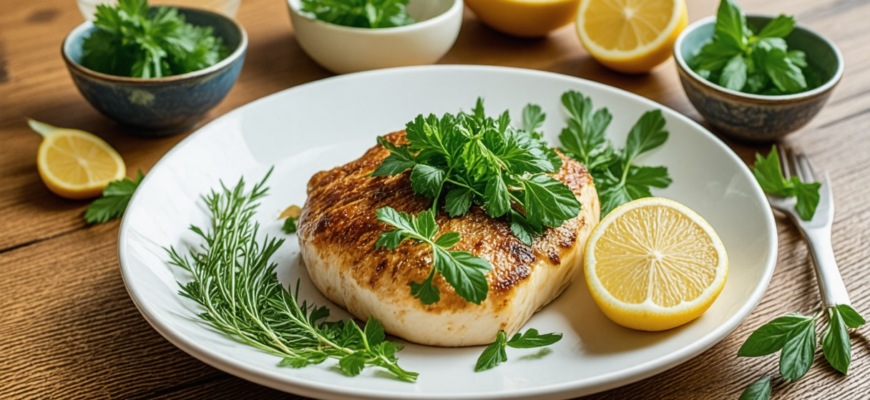
- Serve garnished with extra herbs and lemon slices.
2. Fresh Herb and Lemon Salad
Ingredients:
- Cucumbers, sliced
- Cherry tomatoes
- Red onion, thinly sliced
- Fresh dill and parsley, chopped
- Juice of 1 lemon
- Olive oil
- Salt and pepper to taste
Preparation:
- Combine all vegetables in a bowl.
- Whisk lemon juice, olive oil, herbs, salt, and pepper in a separate bowl.
- Pour dressing over vegetables and toss gently.
- Serve chilled as a refreshing side dish.
3. Lemon-Herb Seafood Skewers
Ingredients:
- Assorted seafood (shrimp, squid, fish chunks)
- Juice and zest of 1 lemon
- Garlic, minced
- Fresh basil and oregano, chopped
- Olive oil
- Salt and black pepper to taste
Preparation:
- Marinate seafood with lemon juice, zest, garlic, herbs, olive oil, and a small pinch of salt for 20-30 minutes.
- Thread seafood onto skewers.
- Grill over medium heat until cooked through.
- Serve with extra lemon wedges and herbs.
Flavor Pairings and Combinations
Optimizing Taste with Herbs and Lemon
Combining herbs and lemon effectively can transform simple ingredients into gourmet dishes. Here are some classic pairings:
- Basil + Lemon = Perfect for seafood and tomato-based dishes
- Rosemary + Lemon = Ideal for roasting meats and potatoes
- Dill + Lemon = Excellent with fish, cucumber salads, and creamy dressings
- Parsley + Lemon = Versatile combination suitable for almost any dish
Flavor Combination Table
| Herb | Lemon Pairing |
|---|---|
| Basil | Fresh lemon juice, zest |
| Rosemary | Lemon zest, a splash of lemon juice |
| Dill | Lemon juice, complemented with a sprinkle of lemon zest |
| Parsley | Juice and zest, to evoke freshness |
Additional Tips for Travelers
Shopping for Herbs and Lemons Abroad
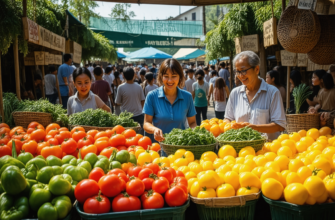
Find fresh herbs and lemons at local markets or grocery stores. Look for vibrant green herbs without browning spots and firm, fragrant lemons. During hotel stays in different countries, familiarize yourself with local varieties, which can offer unique flavors.
Storage and Preservation
- Wrap fresh herbs in a damp paper towel and store in a plastic bag in the refrigerator to prolong freshness.
- Keep lemons at room temperature or in the fridge. Use lemon zest and juice promptly for best flavor.
Smart Seasoning: Balancing Flavors
Remember, the goal is to enhance natural flavors, not overpower them. Use herbs and lemon in moderation, tasting as you go, until the desired balance is achieved. This mindful approach leads to healthier, tastier meals.
By incorporating herbs and lemon into your hotel meals, travelers can enjoy flavorful, healthy dishes without relying on salt. Not only do these natural ingredients enhance taste, but they also bring health benefits, cost savings, and culinary variety. With a little creativity and knowledge, anyone can turn simple ingredients into extraordinary meals, making hotel holidays not just a rest for the body but a delight for the palate as well.
Next time you travel, remember these tips and recipes to savor your food naturally, delight your taste buds, and maintain a heart-healthy diet—no extra salt required!
Похожие записи:
 Enhance Your Hotel Holidays: Incorporating Traditional Herbs and Spices for Flavor and Health Benefits
  Maximizing Health on Hotel Holidays: Why Olive Oil and Local Plant Oils Are the Perfect Fats for Your Meals
  Discover the Benefits of Incorporating Local Grains like Quinoa and Millet into Your Hotel Holiday Meals
  Mastering the Art of Moderation: Enjoy Rich Sauces and Creamy Dressings Responsibly During Your Hotel Holidays
  Discover Local Markets: Your Guide to Authentic and Affordable Meals During Hotel Holidays
  Opt for Fresh Salads and Seasonal Vegetables for Healthy Dining During Hotel Holidays
  Discover the Flavor: How Following Food Influencers Enhances Your Regional Cuisine Experience During Hotel Holidays
  Choose Fresh Seafood Rich in Omega-3 Fatty Acids: A Guide for Tourists on Hotel Holidays
  Ultimate Guide to Balancing Your Meals: The Perfect Mix of Carbohydrates, Proteins, and Fats for Healthy Holidays
  Experience Local Flavors: How to Enhance Your Hotel Holiday by Joining Food Tasting Events and Festivals
  Discover the Charm of Local Markets: Your Guide to Fresh and Wholesome Ingredients During Hotel Holidays
  Master the Art of Mindful Eating: Enhance Your Hotel Holidays and Prevent Overeating
  Healthy Eating Tips for Travelers: Favor Grilled and Baked Foods Over Fried Dishes
  Beware of Street Food: How to Avoid Foodborne Illnesses During Travel
  Essential Dietary Tips for Tourists: Incorporate Lean Proteins Like Fish and Poultry During Hotel Holidays
  Essential Tips for Tourists: How to Recognize Food Allergies and Communicate Dietary Restrictions Clearly During Hotel Holidays