Traveling opens doors to new culinary experiences, cultural insights, and memorable moments around the world. For tourists seeking to enhance their holiday experiences, the choice of food plays a pivotal role in shaping impressions of a destination. In recent years, the emphasis on sustainable eating habits and health-conscious dining has gained significant traction. One of the most impactful ways to enjoy authentic, flavorful, and environmentally friendly meals during hotel stays is to prioritize organic and locally sourced produce. This comprehensive guide delves into why this practice matters, how to identify organic and local foods, benefits it offers, and practical tips for travelers to make the most of their culinary adventures while supporting sustainability and local communities.
- Understanding Organic and Locally Sourced Produce
- What Does Organic Mean?
- What Does Locally Sourced Mean?
- Why Are These Concepts Important?
- The Significance of Prioritizing Organic and Local Produce During Hotel Holidays
- Enhancing Health and Well-Being
- Supporting Sustainable Tourism
- Enhancing Culinary Experience and Cultural Connection
- How to Identify Organic and Locally Sourced Foods in Hotels
- Research and Choose Accommodations Focused on Sustainability
- Ask the Right Questions
- Observe Menu Descriptions and Food Presentation
- Utilize Specialty Food Tours or Markets
- Practical Tips for Tourists to Prioritize Organic and Local Produce
- Plan Ahead and Research Local Food Practices
- Communicate Your Preferences
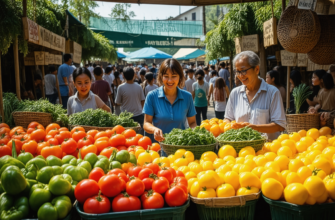
- Visit Farmers’ Markets and Organic Shops
- Incorporate Cooking into Your Experience
- Opt for Restaurants with Sustainable Certifications
- Benefits of Prioritizing Organic and Local Produce: A Closer Look
- Environmental Impact
- Health Benefits
- Economic and Social Advantages
- Additional Considerations for Tourists
- Cost Implications
- Seasonality and Availability
- Safety and Certification Standards
- Case Study: Embracing Sustainable Dining in a Tourist Destination
- Final Thoughts
Understanding Organic and Locally Sourced Produce
What Does Organic Mean?
Organic produce is cultivated without the use of synthetic fertilizers, pesticides, genetically modified organisms (GMOs), or artificial chemicals. Organic farming emphasizes natural growth processes, biological diversity, and sustainable practices that preserve soil health and minimize environmental impact. As a result, organic foods tend to be free from harmful chemical residues, often retaining more natural nutrients and flavors.
What Does Locally Sourced Mean?
Locally sourced produce refers to food items that are grown, harvested, and supplied within a close geographical area, typically within the same region or country. The distance between farm and table is significantly reduced, often within a few hundred kilometers. This practice supports local farmers, reduces carbon footprint due to shorter transportation routes, and ensures fresher and seasonal ingredients are available to consumers.
Why Are These Concepts Important?
- Environmental Benefits: Reducing transportation emissions and promoting sustainable farming methods.
- Health Advantages: Consuming fresher, chemical-free foods that retain more nutrients.
- Supporting Local Economies: Boosting regional farmers and small-scale producers.
- Culinary Freshness: Savoring seasonal flavors at their peak, enhancing taste and presentation.
The Significance of Prioritizing Organic and Local Produce During Hotel Holidays
Enhancing Health and Well-Being
Holiday meals rich in organic and local ingredients contribute positively to overall health by reducing exposure to synthetic pesticides, preservatives, and other chemicals. Fresh, hormone-free, and minimally processed foods bolster immunity, maintain higher vitamin and nutrient levels, and support a balanced diet — particularly important when traveling and adjusting to different climates and environments.
Supporting Sustainable Tourism
Choosing organic and locally sourced foods aligns with sustainable tourism principles. It promotes environmentally responsible practices, conserves biodiversity, and fosters economic development within host communities. Such choices also help mitigate the negative impacts of mass tourism on local ecosystems and cultures.
Enhancing Culinary Experience and Cultural Connection
By savoring local and organic dishes, travelers gain authentic insights into regional food traditions, agricultural practices, and cultural identities. This engagement transforms a simple meal into a meaningful experience, fostering appreciation and respect for local customs and sustainability efforts.
How to Identify Organic and Locally Sourced Foods in Hotels
Research and Choose Accommodations Focused on Sustainability
When booking hotels, look for those with sustainability certifications or those that specifically promote farm-to-table initiatives. Many eco-friendly hotels partner with local farms and openly advertise the use of organic and local ingredients in their dining services.
Ask the Right Questions
- Does the hotel utilize locally sourced ingredients in their menus?
- Are their produce certified organic?
- Do they prioritize seasonal ingredients?
- Can they provide information about the origin of ingredients?
Observe Menu Descriptions and Food Presentation
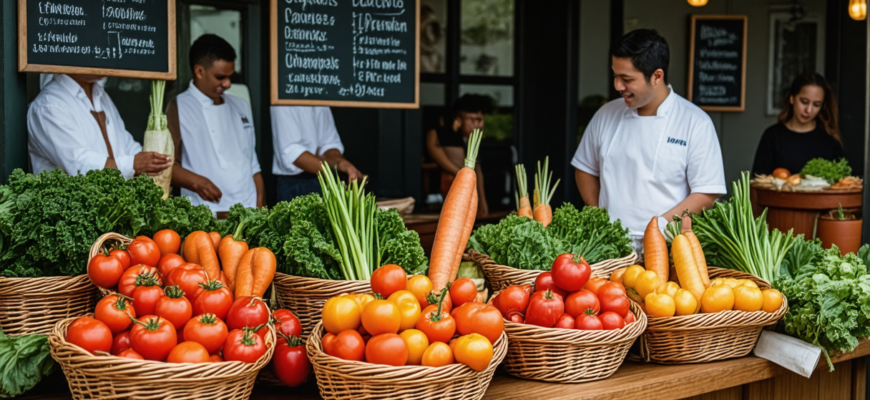
Menus emphasizing “seasonal,” “local,” “farm-fresh,” or “organic” ingredients are clear indicators. Chefs preparing dishes with fresh herbs, colorful vegetables, and regional specialties often highlight the use of local produce.
Utilize Specialty Food Tours or Markets
In addition to hotel dining, seek out local farmers’ markets, organic food shops, and culinary tours that focus on local ingredients. These experiences enrich the culinary journey and provide authentic access to fresh, seasonal produce.
Practical Tips for Tourists to Prioritize Organic and Local Produce
Plan Ahead and Research Local Food Practices
Before traveling, research the region’s agricultural practices and culinary traditions. Familiarize yourself with local markets, organic farms, and certified eateries that prioritize sustainable sourcing. Many regions have dedicated platforms or travel blogs highlighting farm-to-table restaurants and organic suppliers.
Communicate Your Preferences
When dining at hotels or local eateries, communicate your preference for organic and locally sourced foods. Staff often accommodate special requests, and chefs may prepare dishes emphasizing fresh regional ingredients on request.
Visit Farmers’ Markets and Organic Shops
Allocate time during your trip to explore farmers’ markets, organic boutiques, and co-ops. Engaging directly with local producers not only guarantees the freshness of your ingredients but also supports small-scale farmers and artisans.
Incorporate Cooking into Your Experience
If the hotel provides cooking facilities or offers cooking classes, consider preparing meals with local and organic ingredients. This hands-on approach deepens your connection with regional produce and culinary traditions.
Opt for Restaurants with Sustainable Certifications
Seek out dining venues holding certifications such as “Green Restaurant,” “Organic Certified,” or regional organic labels. These establishments adhere to standards promoting organic and local sourcing.
Benefits of Prioritizing Organic and Local Produce: A Closer Look
Environmental Impact
| Aspect | Impact |
|---|---|
| Carbon Footprint | Shorter transportation distances reduce greenhouse gas emissions. |
| Pesticide Use | Organic farming minimizes or eliminates chemical pesticides and fertilizers, reducing soil and water pollution. |
| Soil Health | Sustainable practices promote biodiversity and soil fertility, ensuring long-term productivity. |
| Biodiversity | Supporting local farms encourages diverse crop cultivation and preservation of native species. |
Health Benefits
- Higher Nutritional Value: Fresh, seasonal, and minimally processed foods retain more vitamins, minerals, and antioxidants.
- Fewer Preservatives and Additives: Organic and local foods typically contain fewer artificial chemicals.
- Better Digestibility: Natural foods are easier on the digestive system compared to heavily processed items.
- Enhanced Flavor Profile: Seasonal and fresh produce offers richer taste experiences.
Economic and Social Advantages
- Strengthening the local economy by supporting regional farmers and artisans.
- Encouraging sustainable agricultural practices and community resilience.
- Fostering cultural preservation through traditional farming and culinary methods.
Additional Considerations for Tourists
Cost Implications
While organic and local foods can sometimes be more expensive than mass-produced options, the investment often results in higher-quality, more flavorful meals. Look for budget-friendly options such as local markets, informal eateries, or self-catering accommodations to enjoy these benefits without overspending.
Seasonality and Availability
Remember that the availability of certain local produce is seasonal. Planning your meals around the high season for specific fruits or vegetables ensures freshness and affordability. It also enhances the authenticity of your culinary experience.
Safety and Certification Standards
Verify certifications such as USDA Organic, European Union Organic, or regional organic labels to ensure authentic organic products. Similarly, inquire about sustainable sourcing practices for local foods to guarantee ethical standards.
Case Study: Embracing Sustainable Dining in a Tourist Destination
Consider a popular Mediterranean coastal town known for its vibrant markets, olive groves, and seafood. Tourists who prioritize organic and local produce often indulge in freshly caught fish, hand-picked vegetables, and farm-produced cheeses. Such choices not only enrich their gastronomic adventure but also contribute to maintaining the region’s ecological balance and cultural heritage. Local restaurants emphasizing seasonal menus and organic ingredients become landmarks, offering authentic taste experiences that resonate long after the trip ends.
Final Thoughts
Prioritizing organic and locally sourced produce when possible significantly enhances a tourist’s culinary journey. It fosters healthier eating habits, supports sustainable agriculture, and provides authentic taste experiences rooted in regional traditions. Whether exploring local markets, dining at eco-conscious restaurants, or cooking with fresh ingredients, travelers can make meaningful contributions to environmental preservation and community prosperity while enjoying delicious, nutritious meals. Making these conscious choices not only elevates holiday experiences but also encourages a global movement towards mindful, sustainable eating.
Похожие записи:
 Opt for Fresh Salads and Seasonal Vegetables for Healthy Dining During Hotel Holidays
  Discovering Regional Flavors: How to Find Restaurants That Celebrate Local Ingredients and Culinary Traditions
  Maximizing Health on Hotel Holidays: Why Olive Oil and Local Plant Oils Are the Perfect Fats for Your Meals
  Discover the Benefits of Incorporating Local Grains like Quinoa and Millet into Your Hotel Holiday Meals
  Discover the Charm of Local Markets: Your Guide to Fresh and Wholesome Ingredients During Hotel Holidays
  Discover Authentic Flavors: Why Choosing Local Specialties Trumps International Chains on Hotel Holidays
  Discover Local Markets: Your Guide to Authentic and Affordable Meals During Hotel Holidays
  Discover the Best Culinary Experiences: How to Find Restaurants with Chef’s Specials and Daily Recommendations
  Maximize Your Food Experience: Visiting Markets During Peak Hours for Fresh Local Delights
  Essential Dietary Tips for Tourists: Incorporate Lean Proteins Like Fish and Poultry During Hotel Holidays
  Read Food Labels Carefully When Consuming Packaged Items: Essential Tips for Tourists on Hotel Holidays
  Healthy Snacking on Hotel Holidays: The Power of Local Nuts and Seeds
  Essential Tips for Tourists: How to Recognize Food Allergies and Communicate Dietary Restrictions Clearly During Hotel Holidays
  Ultimate Guide to Finding Vegetarian and Vegan Options for a Plant-Based Diet During Hotel Holidays
  Incorporating Beans and Legumes for Plant-Based Protein: Essential Tips for Tourists on Hotel Holidays
  Choose Fresh Seafood Rich in Omega-3 Fatty Acids: A Guide for Tourists on Hotel Holidays